Category: Uncategorized

  • 10 Reasons Travelers Fall in Love with Tanzania

    10 Reasons Travellers Fall in Love with Tanzania | Ngomi Adventures
    Serengeti plains at golden hour

    Tanzania

    10 Reasons Travellers Fall in Love with Tanzania

    Tanzania June 2026 / 6 min read / By Amani Ngomi — CEO, Ngomi Adventures

    People ask us, regularly, what makes Tanzania different from every other safari destination. The honest answer is that it isn’t one thing. It’s the accumulation — the wildlife one morning, the way a Maasai elder laughs at something your guide says, the silence after the campfire goes down. Here are the ten things we see travellers talk about most when they come back.

    01
    Wildlife That Doesn’t Disappoint

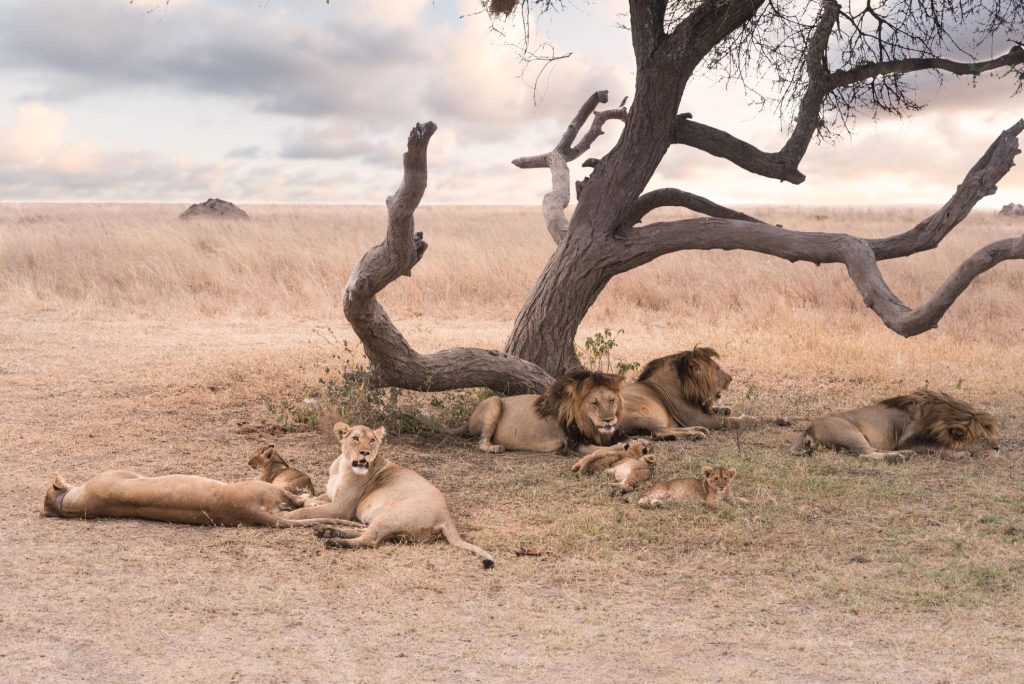
    Tanzania’s parks hold lions, elephants, leopards, buffalo, rhinos, giraffes, zebras, cheetahs, wild dogs, and several hundred bird species — and unlike some destinations, the animals here are genuinely wild, behaving on their own terms. No game drive is the same twice, which is the point.

    Elephants and baobab trees in Tarangire National Park
    02
    The Serengeti

    There is nowhere else on the planet quite like it. Two and a half million acres of open plain, home to the highest concentration of large mammals anywhere on earth, and the only place where you can witness the Great Migration — roughly two million wildebeest and zebras moving in a continuous circuit across the ecosystem. It is one of the few things in nature that genuinely exceeds whatever you imagined before you got there.

    Every guide has a version of this story: a traveller who spent years building up an idea of the Serengeti, arriving, and going completely quiet. Not disappointment. The opposite.

    03
    The Ngorongoro Crater

    The world’s largest intact volcanic caldera, roughly 260 square kilometres of enclosed wilderness where animals are resident year-round. Descending into the crater on a clear morning — the walls rising on all sides, lions already moving through the short grass — is unlike any other game drive experience in Africa. It tends to be a day people talk about for years.

    Inside the Ngorongoro Crater
    04
    Landscapes That Keep Changing

    Tanzania is not one place. Baobab-dotted plains in Tarangire, highland forest on the Ngorongoro rim, the flat grassland infinity of the Serengeti, the flamingo-pink shallows of Lake Natron, the forested slopes of Mahale, and the white-sand coast of Zanzibar. Travellers who try to see all of it in one trip never quite manage it, which is exactly why most of them come back.

    Lake Natron flamingos and Rift Valley landscape
    05
    The People

    “Karibu” — welcome — is usually the first Swahili word visitors learn, because they hear it within hours of arriving. Tanzania has one of the most stable and genuinely hospitable reputations of any country in East Africa, and that warmth isn’t a performance for tourists. It runs through every interaction: lodge staff, market vendors, village elders, the person who waves from the roadside on a long transfer drive.

    06
    More Than 120 Cultures in One Country

    Tanzania has over 120 ethnic groups, each with its own language, traditions, music, and history. A Maasai village visit isn’t a stage-managed tourist experience — it’s an introduction to people who have coexisted with lions and elephants for centuries and have very specific views about what that means. The Hadzabe at Lake Eyasi are among the last hunter-gatherer communities on the continent. These encounters don’t translate to photographs. They stay with people differently.

    The wildlife is what brings most people. The people and the culture are usually what makes them want to come back.

    07
    More Than Game Drives

    Tanzania holds Africa’s highest mountain, the continent’s largest chimpanzee sanctuary, the old Swahili spice port of Stone Town, walking safaris in parks where vehicles aren’t permitted, whale shark diving off Mafia Island, and some of the Indian Ocean’s quietest reefs. It is possible to spend two weeks here and never get in a safari vehicle. Most people do both, which is probably the right answer.

    Wildebeest at golden hour on the Serengeti plains
    08
    The Light

    Tanzania is one of those places where the sky does things that make photographers put down their cameras and just watch. The pre-dawn blue over the Serengeti before anything moves. The way the late-afternoon sun catches the dust behind a herd. The sunset behind a line of acacias that lasts long enough that nobody says anything for a while. These moments are not in any itinerary, but they end up in almost every story people tell when they get home.

    Serengeti open plains at dawn
    09
    A Trip That Fits Who You Are

    Tanzania works for budget travellers on joining safaris and honeymooners in private crater lodges. For families with young children and solo travellers who want to share a vehicle with strangers who become friends by day three. For photographers who need two hours at a single sighting and for people who just want to sit in the bush and not think about anything. The country is large enough and varied enough that the right trip exists for almost anyone — the work is in building it correctly.

    10
    It Stays with You

    This one is harder to explain. People come back from Tanzania and find that the photographs, good as they are, don’t quite capture it. The sound of lions at three in the morning. The way a herd of elephants moves as one animal. The campfire conversation that went on long after dinner was finished. These things don’t compress into a frame. They sit somewhere else, and they tend to surface at unexpected moments for a long time after. That’s usually why people book a second trip.

    Before You Come

    Yes. Tanzania is one of the most politically stable countries in East Africa, with a long track record of safe tourism. Inside the parks and lodges you are completely secure. In Arusha and Dar es Salaam, normal urban precautions apply — use hotel safes, don’t display expensive equipment in markets — but neither city is hostile to visitors. Your guide and lodge team are the best source of practical advice once you arrive.

    No. Tanzania receives first-time Africa visitors and seasoned travellers in equal measure, and the infrastructure for tourism is well developed across the Northern Circuit. The itinerary determines the level of roughness — a budget camping safari is a different physical experience from a luxury lodge trip, but neither requires any special preparation beyond the usual vaccinations and common sense packing.

    For peak season travel — July through October, when the migration crossings are happening — nine to twelve months in advance is realistic for the better camps, which fill early. For green season or shoulder-period travel, three to six months is usually sufficient. The earlier you book the more flexibility you have on lodge choice; leaving it late means working with what’s left.

    A short note to us is enough — when you want to travel, who’s coming, and roughly what kind of experience you’re after. We’ll read it, think for a day, and come back with questions rather than a quote. The real planning starts in that first conversation. You can reach us at info@ngomiadventures.com or via WhatsApp, and we reply within two working days.

    Ready to See It for Yourself?

    Every Ngomi journey is built around the traveller making it. Tell us when you want to come and who’s coming with you — we’ll take it from there.

    Write to us at info@ngomiadventures.com or WhatsApp. We’re based in Arusha and reply within two working days.

    The Ngomi Letter

    Seasonal notes, quiet stories, and the occasional open vehicle seat — straight from our team in Arusha.
  • Five Days Following the Wildebeest. What the Itinerary Doesn’t Mention.

    Five Days Following the Wildebeest: What the Itinerary Doesn’t Mention | Ngomi Adventures
    Wildebeest herds crossing the Serengeti during the Great Migration

    Field Notes

    Five Days Following the Wildebeest. What the Itinerary Doesn’t Mention.

    The smell, the crocodile three metres from the vehicle, the four a.m. wake-up call. Our lead guide kept notes through the crossing — written exactly as it happened, in the field, the morning after.

    Field Notes June 2026 / 9 min read /

    The itinerary says: “Spend a full day exploring the Serengeti’s vast plains… track predators… witness large herds of wildebeest (seasonal migration).” That’s the version that goes in the proposal. This is the version that went in his notebook, written by torchlight the morning after, before the smell had left his clothes.

    Day One

    Arusha → Tarangire National Park

    Picked up the family at the lodge in Arusha, just after seven. Two hours south to Tarangire — the easy day, the one where everyone is still figuring out how to use the binoculars. The elephants were already at the river when we arrived, maybe forty of them, kicking up dust along the bank where the baobabs go grey and split with age. Had lunch under one of the bigger trees, the kind that’s older than any of us by a few hundred years. Nobody said much. You don’t, the first time you see one that size.

    Told them tonight was the last easy sleep before the real driving starts. They laughed. They didn’t believe me yet.

    Elephant herd at the Tarangire River

    Day Two

    Tarangire → Lake Natron, via the Rift Valley

    Six and a half hours, most of it rough. Told them that at breakfast and watched two faces fall. By hour four nobody cared — the road drops you straight into the Rift Valley with Ol Doinyo Lengai sitting on the horizon the whole way, that strange grey volcano that still smokes some mornings. The Maasai land out here is mostly empty, which after the parks feels like its own kind of wild.

    Lake Natron at dusk was pink. Not photo-pink, actually pink, from the algae and the salt, with thousands of flamingos working the shallows in a line that went further than I could follow with the naked eye. Camp that night had no generator after nine. Just the sound of the lake and, twice, something large moving through the brush near the fence that none of us went to investigate.

    The itinerary calls it “remote and untouched.” What it doesn’t tell you is how loud silence actually is, once you’ve been in a vehicle for six hours.

    Flamingos at Lake Natron at dusk

    Day Three

    Lake Natron → Serengeti, via Klein’s Gate

    Up before five. Didn’t tell them why until we were moving — word had come through the guide network the evening before that the herds were massing near a crossing point not far inside Klein’s Gate, and if we wanted any real chance at seeing a crossing, timing was everything. Nobody complained about the wake-up once we were on the road.

    We smelled the herd before we saw it. That’s the part nobody mentions beforehand — the wildebeest migration has a smell, dust and animal and the specific sourness of a few hundred thousand bodies moving together, and it reaches the vehicle a good while before the dust cloud does. Then the plains just open up and there they are, line after line of them, moving with that strange stop-start rhythm like the whole herd is one nervous animal deciding something together.

    Wildebeest herd entering the Serengeti at Klein's Gate

    Day Four

    Full Day, Serengeti — the Crossing

    This is the day the itinerary flattens into one line: “track predators… witness large herds.” Here is what that line was, in order. We sat at the river from just after six, engine off, for nearly three hours before the front of the herd committed. Wildebeest will gather at a crossing point and lose their nerve a dozen times before one animal finally jumps — and once one goes, the rest follow in a panic that has no real logic to it.

    There was a crocodile, a big one, that surfaced maybe three metres from where we’d stopped on the bank — close enough that the family in the back seat went completely silent, the kind of silent that’s different from quiet. It didn’t take anything while we watched. Not every crossing ends in a kill, whatever the documentaries suggest. Sometimes it’s just thousands of animals deciding, almost all at once, to do something genuinely dangerous, and mostly getting away with it.

    Picnic lunch in the bush, eaten with the smell of the herd still on everyone’s clothes. Afternoon drive turned up two female cheetahs resting in the shade of a single acacia, clearly aware of the herds nearby and clearly not hungry enough yet to care.

    People ask if it’s like the documentaries. It’s slower, messier, and the waiting is most of it. That’s also why it’s better.

    Wildebeest crossing a river during the Great Migration

    Day Five

    Serengeti → Karatu, via the Ngorongoro Highlands

    Slow morning, deliberately — nobody had slept much after the day before, in the good way. The road out climbs steadily into the highlands, and there’s a stretch where you can pull over and look back down at the crater rim with the Serengeti behind you, already a different country. We stopped there longer than scheduled. Nobody in the vehicle was in a hurry to be anywhere else.

    Reached Karatu by mid-afternoon. First hot shower in three days. The family asked, before dinner, whether it was always like that. I told them no — that’s the honest answer. Most crossings are quieter, most days don’t have a crocodile that close. But you don’t know which day you’ll get until you’re sitting at the river with the engine off, waiting.

    View over the Ngorongoro Highlands toward the Serengeti

    The Route, As Logged

    Day Route Drive Time Overnight
    Day 1 Arusha → Tarangire National Park 2–3 hrs Tarangire area
    Day 2 Tarangire → Lake Natron, Rift Valley 6–7 hrs Lake Natron
    Day 3 Lake Natron → Serengeti, via Klein’s Gate 5–6 hrs Serengeti
    Day 4 Full day, Serengeti — the crossing 6–8 hrs Serengeti
    Day 5 Serengeti → Karatu, via Ngorongoro Highlands 5–6 hrs Karatu

    This is five of the six days on Ngomi’s Wilderness Escape itinerary — the route that takes in Tarangire, Lake Natron, and the Serengeti before finishing in the Ngorongoro Crater the following morning. Crossing sightings are never guaranteed on any safari, anywhere; the herds move on their own schedule, not ours. What we can guarantee is a guide who knows where they were last seen, and the patience to sit at a likely crossing point for as long as it takes.

    Questions About the Crossing

    No, and any operator who promises one outright isn’t being honest with you. The wildebeest move on instinct, not a schedule, and crossings can happen at dawn, midday, or not at all on a given day. What we control is timing the trip for peak crossing season (roughly July through October) and routing the day around where the herds were last reported, then having the patience to wait at the river rather than chasing.

    It varies. Sometimes the herd commits within twenty minutes. On the day described above, it was closer to three hours with the engine off. We build extra time into migration-season days specifically for this, rather than scheduling a tight loop that has to move on regardless of what the wildebeest are doing.

    Yes — vehicles stay a safe, regulated distance from the riverbank, and your guide reads the situation continuously rather than parking and waiting blindly. Crocodiles target the herd, not parked vehicles, and our guides are trained to recognise warning signs and reposition immediately if needed.

    The Mara River crossings typically peak July through September, when the herds push north in search of fresh grazing. Earlier in the year, the action shifts south — calving happens roughly January through March in the southern Serengeti, which is its own kind of migration spectacle without the river crossings.

    Want to Sit at That River Yourself?

    This route runs as our Wilderness Escape itinerary — Tarangire, Lake Natron, the Serengeti, and the Ngorongoro Crater. We’ll time your dates around the crossing season and build in the patience the day actually needs.

    Prefer to talk first? Reach us at info@ngomiadventures.com or WhatsApp. We’re based in Arusha and reply within two working days.

    The Ngomi Letter

    Seasonal notes, quiet stories, and the occasional open vehicle seat — straight from our team in Arusha.

  • Choosing the Perfect Tanzania Safari

    How to Choose the Perfect Tanzania Safari for Your Travel Style | Ngomi Adventures
    Private safari vehicle at dawn on the Serengeti plains

    Safari Planning

    How to Choose the Right Tanzania Safari for Your Travel Style

    Safari Planning June 2026 / 7 min read / By Amani Ngomi — CEO, Ngomi Adventures

    There is no single best Tanzania safari. There is only the one that matches the kind of traveller you are — how fast you want to move, what you most want to see, who is coming with you, and how much of it you want to plan in advance. This is a guide to figuring that out, honestly, before you speak to anyone trying to sell you a package.

    Start with the Question Nobody Asks First

    Most people begin by choosing a destination — Serengeti, Ngorongoro, Tarangire — and then work backwards into an itinerary. The better starting point is simpler: what kind of trip do you actually want? Not the trip that looks best in photographs, or the one a friend did. The one that fits how you travel.

    That question determines everything else. How many parks, how many nights, which tier of accommodation, whether to add a mountain or a beach at the end. Get it right first and the rest follows. Get it wrong and no amount of extraordinary scenery will fix a pace that exhausts you or a schedule built for someone else’s priorities.

    Elephants and ancient baobab trees in Tarangire National Park

    Four Types of Safari Traveller

    Most people lean toward one of these, though few are only one of them.

    Type 01

    The Wildlife Watcher

    Primary goal is the animals. Dense park coverage, long game drives, a guide who reads the bush rather than follows a fixed route. The Northern Circuit — Serengeti, Ngorongoro, Tarangire, Manyara — is the natural anchor.

    Type 02

    The Photographer

    Needs time, not distance. Two or three nights in one location beats six parks in six days. Early morning and late afternoon for the light; a private vehicle so the schedule is yours, not a group compromise.

    Type 03

    The Comfort Traveller

    Wants to be close to the wild without roughing it. Tanzania’s luxury lodges and tented camps do this well — private verandas, proper meals, hot showers. Comfort here doesn’t mean distance from the animals.

    Type 04

    The Adventurer

    Wants more than game drives. Walking safaris in the southern parks, chimpanzee trekking in Mahale, Kilimanjaro, then Zanzibar at the end. Tanzania has the range for it; the question is how to sequence it.

    The most common mistake is building a trip around what Tanzania has to offer rather than what you actually want from it. Those are different questions.

    How Long You Should Actually Go For

    Duration is the most underestimated variable. Most first-time visitors try to see everything, which means moving every day, which means nothing settles. The parks that reward patience — the Serengeti especially — reveal themselves slowly. Three nights in one location teaches you more than three camps in three nights.

    Duration What It Covers Best For
    3–4 days One or two parks, one region Limited time, first taste
    5–7 days Northern Circuit at a sensible pace Most first-time visitors
    8–12 days Safari + culture or Zanzibar Deeper exploration
    12+ days Multiple circuits or Kilimanjaro add-on Return visitors, adventurers

    Five to seven days is the range that works best for a first visit to the Northern Circuit — enough time to move through three parks without the pace feeling relentless. If you find yourself with a week in Tanzania and a list of eight parks you want to tick off, that’s a sign to pare back rather than pack in.

    Game drive in the Serengeti

    Who You’re Travelling With Changes Everything

    Couples on a honeymoon want privacy, slower mornings, camps that are designed for two rather than twelve. Families with young children need lodges with pools, shorter drives, and guides who know how to hold a ten-year-old’s attention. Solo travellers often do well on small joining safaris — someone else’s private vehicle with two or three other travellers on the same route.

    The itinerary that works perfectly for one group is often the wrong one for another, even if they’re visiting the same parks in the same week. A good operator builds around the group first and chooses parks second, not the other way around.

    Private camp at sunset near the Ngorongoro Highlands

    When to Go — and the Right Question to Ask

    The standard question is “when is the best time to visit Tanzania?” The more useful question is “what do I want to see, and when does that happen?” Those have different answers.

    June through October is dry season — grass short, animals concentrated near water, visibility excellent. The Mara River crossings peak July through September in the northern Serengeti. January through March brings calving in the southern Serengeti — half a million wildebeest born in a matter of weeks, which draws every predator in range. April through May is the green season: fewer vehicles, lower prices, lush landscapes, and bird watching at its best. None of these is objectively better. They’re different trips.

    Tanzania is a good country year-round. It’s a great country at the right month — which depends entirely on what you came for.

    Wildebeest herds on the Serengeti plains

    What to Look for in a Safari Operator

    The difference between a good and a mediocre safari often has nothing to do with which parks are on the itinerary and everything to do with who is running the vehicle. A senior guide who has spent twenty seasons reading one ecosystem is a different experience from someone working from a route sheet. Ask how long the company’s guides have been active, whether they operate with fixed or flexible schedules, and whether your itinerary will be written specifically for you or pulled from a template library.

    One practical filter: does the operator ask you questions before quoting, or do they send you a brochure? An operator who starts by asking what kind of traveller you are, who’s coming, and what matters most is building toward the right trip. One who sends a PDF catalogue is building toward the easiest sale.

    Questions We Get at the Planning Stage

    Private safaris give you a vehicle, guide, and schedule entirely your own — you stay at a sighting as long as you want, leave camp early or late without negotiating with strangers. Group safaris (joining departures) bring the cost down considerably and work well for solo travellers or budget-conscious pairs who don’t mind a fixed route. The main trade-off is flexibility. Most travellers who can afford the difference between the two choose private.

    Northern Circuit — Serengeti, Ngorongoro, Tarangire, Manyara — is the right starting point for most first-time visitors. Better infrastructure, the highest wildlife density on the continent, and accessible from Arusha. The Southern Circuit (Ruaha and Nyerere) is significantly wilder and quieter, with fewer vehicles, bigger elephant herds, and more walking safari options. It rewards travellers who’ve done the North and want something less visited. Doing both in one trip is possible but stretched; better to go deep in one.

    No. A lion hunting at dawn is the same lion whether you’re watching it from a mid-range lodge vehicle or a private luxury camp. What money buys is what happens around those moments — where you sleep, how much space you have, the quality of the guide and vehicle, whether you’re sharing decisions with strangers. The wildlife is wild. It doesn’t care about your accommodation tier.

    For most people, yes — especially if you have eight or more days in Tanzania. The transition from bush to coast is a genuine contrast that a lot of travellers describe as the two halves of the country finally making sense together. Three to four days on Zanzibar is usually enough; more than that and you’ve left the safari behind entirely. The best season for the combination is June through February, when both the northern parks and the Indian Ocean coast are at their best.

    Not Sure Which Safari Fits You?

    Tell us a little about how you travel and who’s coming. We’ll ask a few questions and come back with a route that makes sense for your trip — not the easiest one to sell.

    Reach us at info@ngomiadventures.com or WhatsApp. We’re based in Arusha and reply within two working days.

    The Ngomi Letter

    Seasonal notes, quiet stories, and the occasional open vehicle seat — straight from our team in Arusha.

Loading itinerary…
Saved Trips