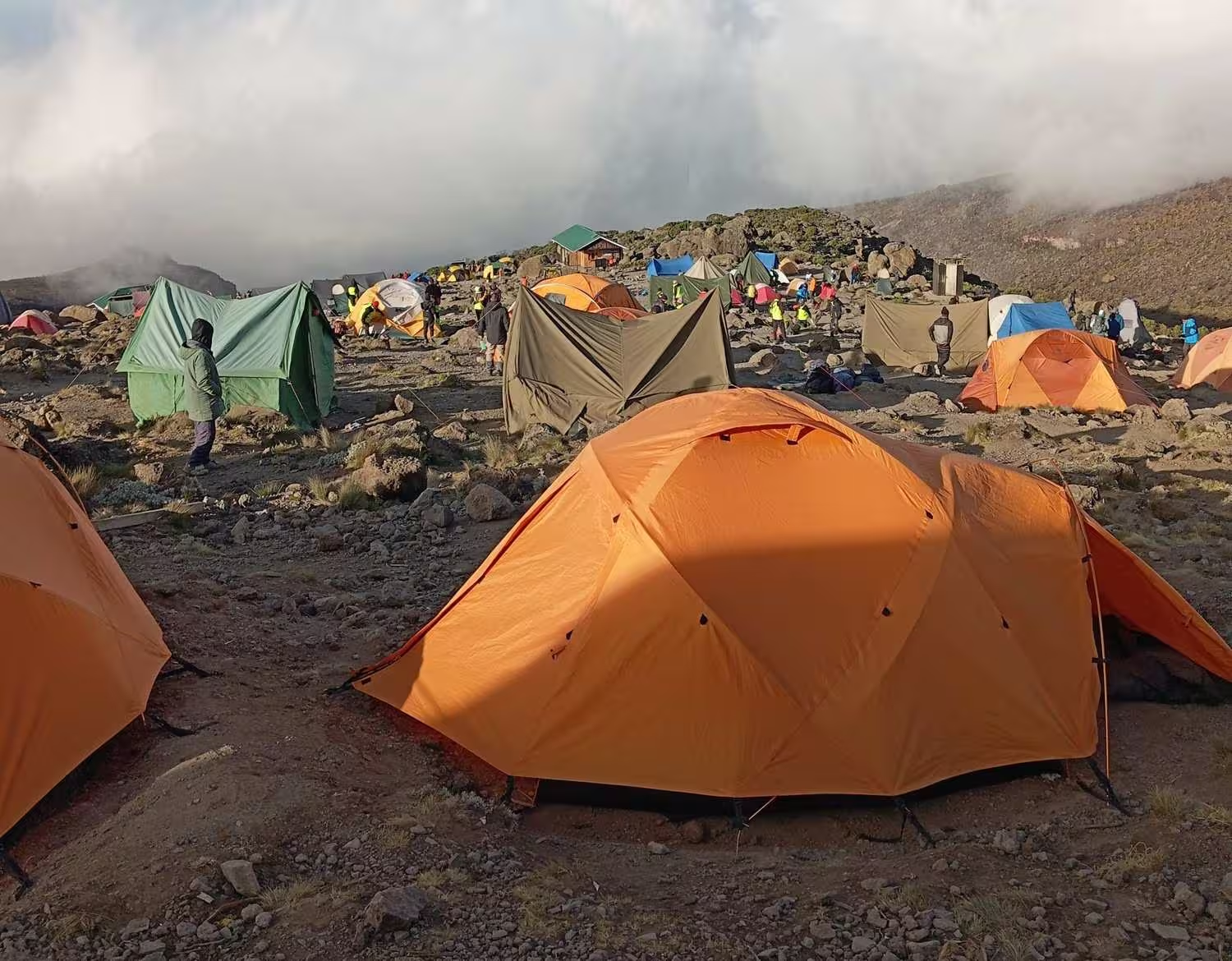
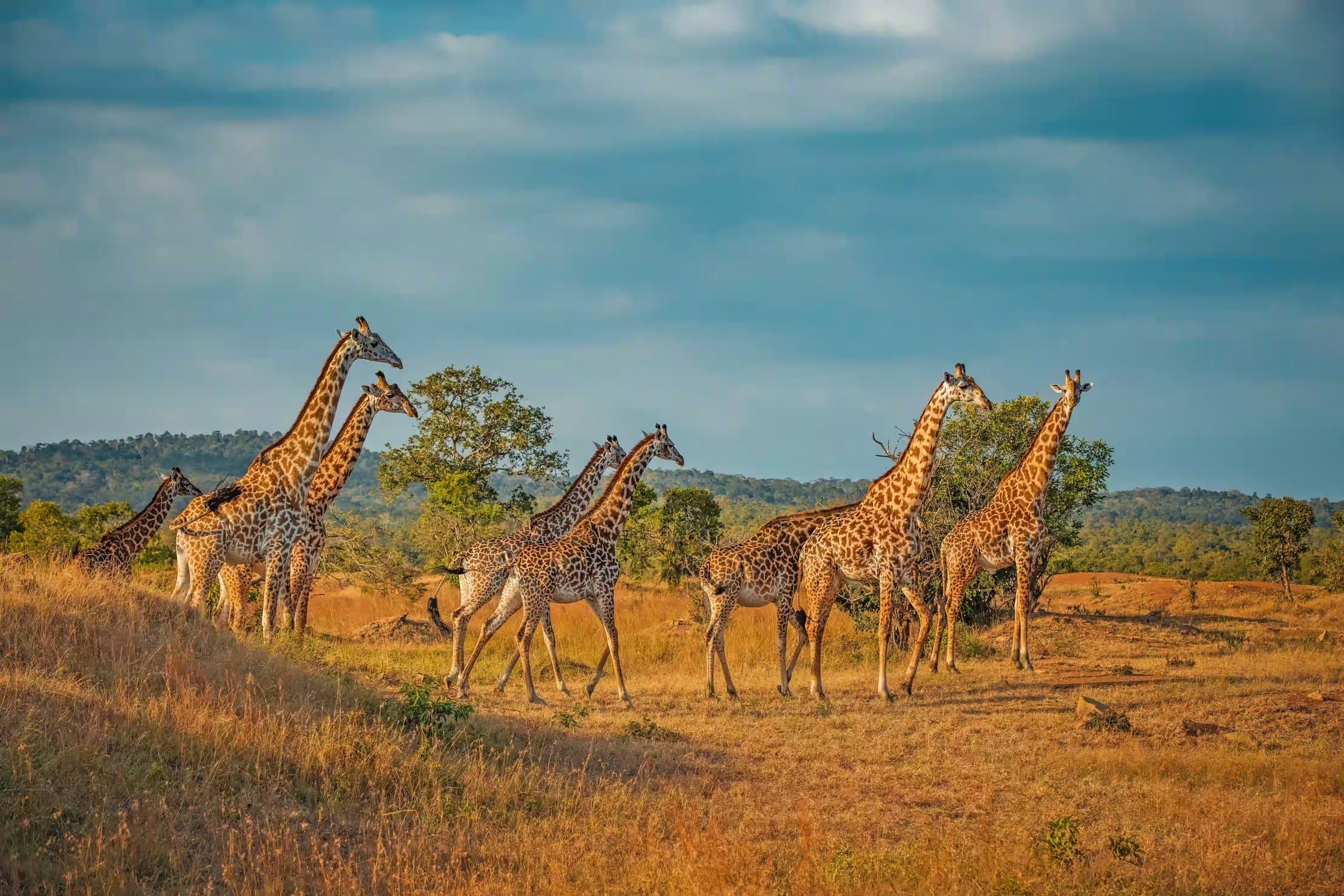
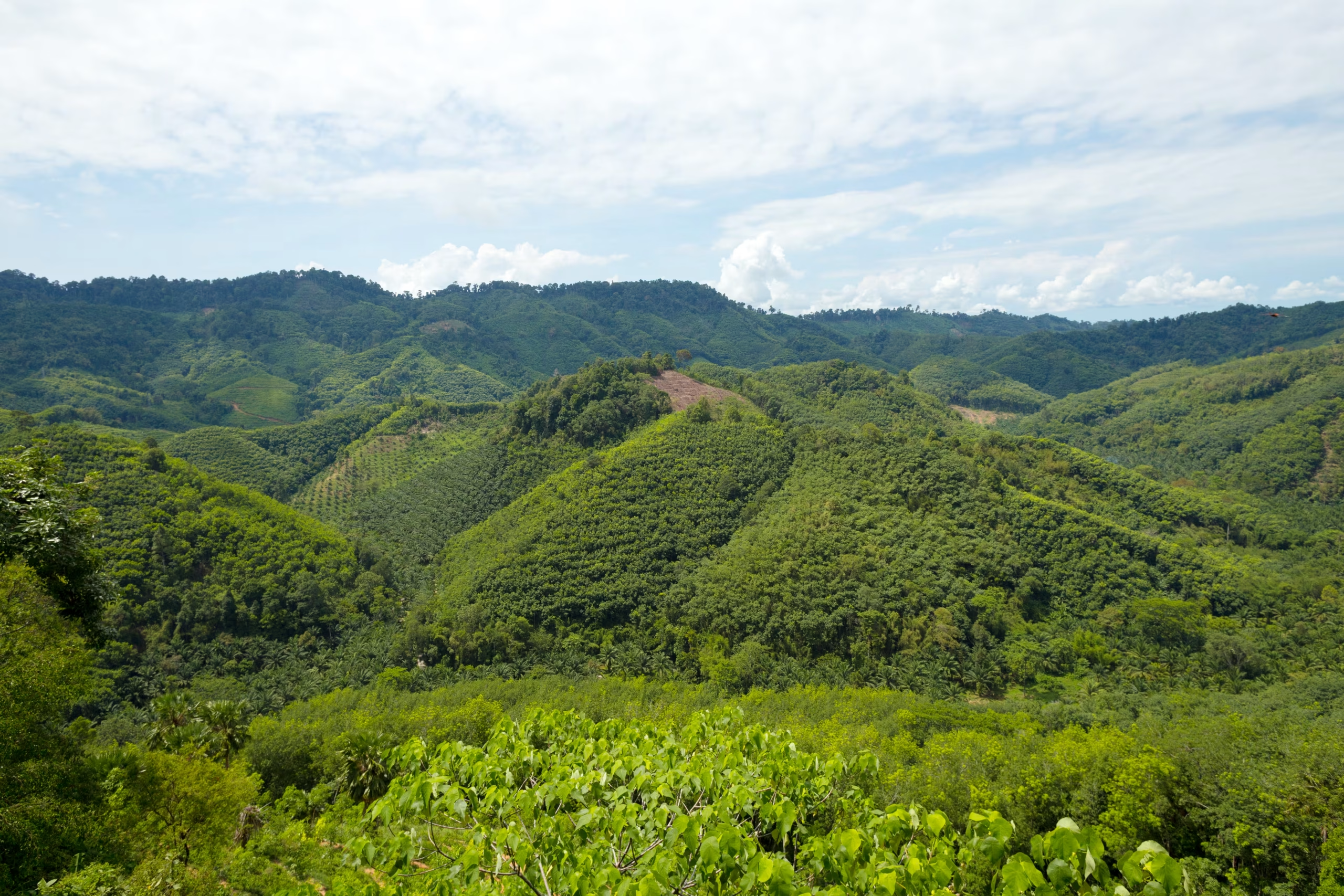
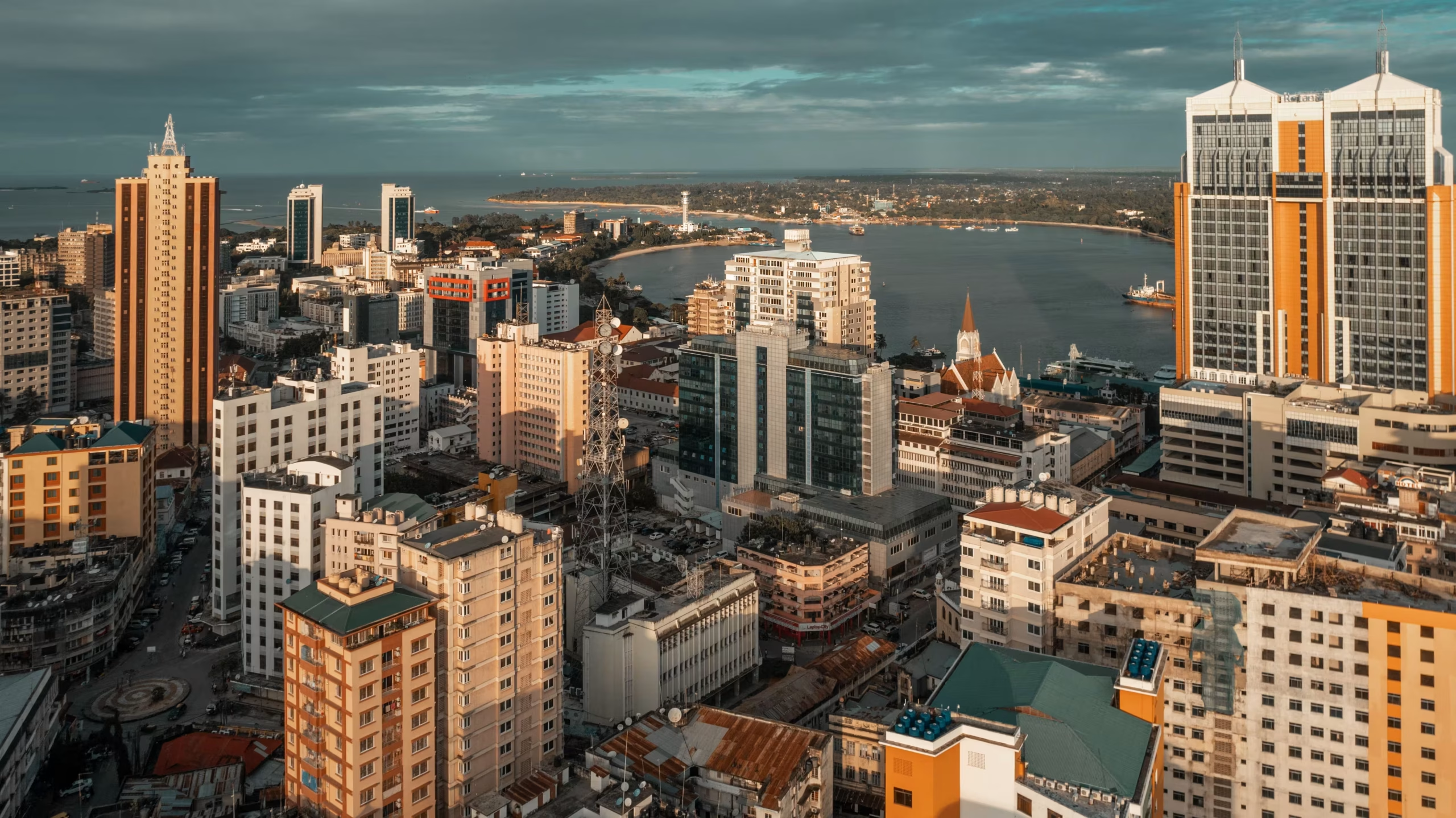
The 6-day Marangu Route is the most traditional path to the summit of Mount Kilimanjaro and the only route offering hut accommodation instead of camping. Known as the “Coca-Cola Route,” it follows a direct and steady ascent, making it less physically technical but more challenging in terms of acclimatization. With an added acclimatization day at Horombo Hut, this 6-day version improves success rates and provides a more comfortable and structured climbing experience.
6 Days Marangu Circuit · 1
6-Day Marangu Route – Mount Kilimanjaro — Day-by-Day Itinerary
Day 1: Marangu Gate → Mandara Hut
Location: Kilimanjaro, Northern Zone
Your journey begins at Marangu Gate, where after
registration you enter the dense rainforest that covers the lower slopes of
Kilimanjaro. The trail is wide and well-maintained, making it one of the most
comfortable starts among all routes. As you ascend, the forest is alive with
bird calls and the occasional sighting of monkeys, creating a vibrant and
refreshing atmosphere. The gradual climb allows your body to begin adjusting to
altitude while enjoying a shaded and scenic trek. You arrive at Mandara Hut, a
cozy wooden structure nestled within the forest.
Day 2: Mandara Hut → Horombo Hut
Location: Kilimanjaro, Northern Zone
Leaving the rainforest behind, the landscape opens into
moorland with rolling hills and giant heathers. The trail becomes more exposed,
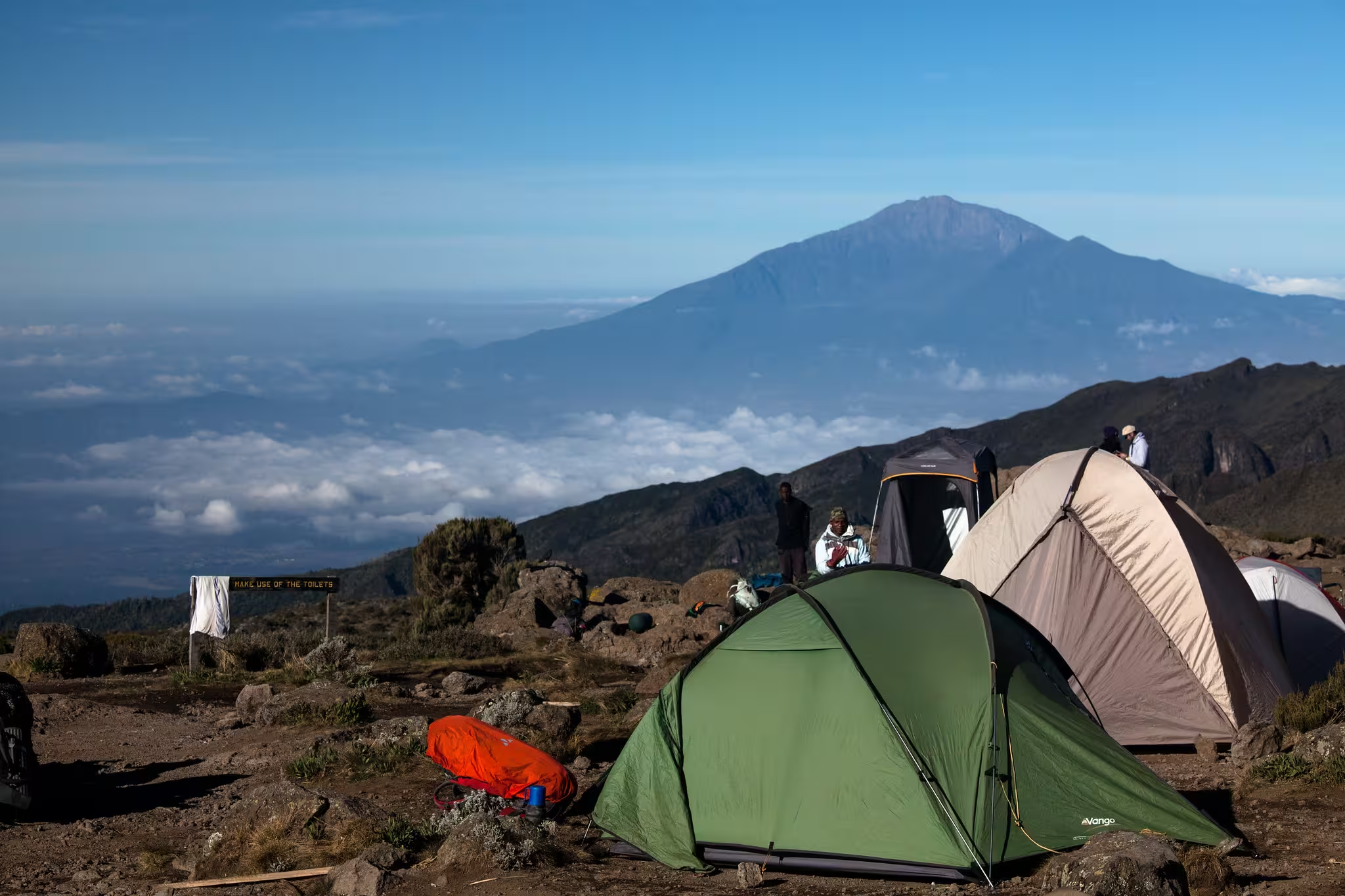
offering clear views of Mawenzi Peak and the surrounding terrain. The air is
cooler and thinner, and the steady ascent allows for proper acclimatization.
The scenery becomes more dramatic as you gain altitude, giving a true sense of
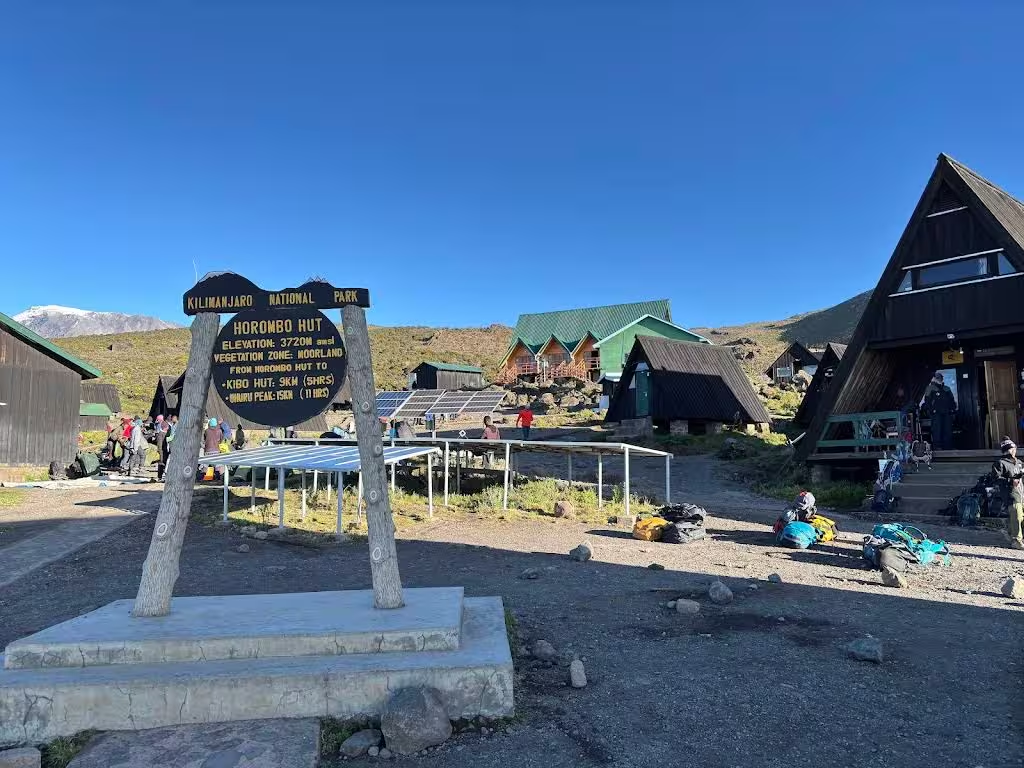
the mountain’s scale. You arrive at Horombo Hut, a large camp with panoramic
views and a lively trekking atmosphere.
Day 3: Horombo Hut (Acclimatization Day)
Location: Kilimanjaro, Northern Zone
Day 4: Horombo Hut → Kibo Hut
Location: Kilimanjaro, Northern Zone
The trail leads into the alpine desert zone, where
vegetation becomes scarce and the landscape turns dry and rocky. You cross the
saddle between Mawenzi and Kibo Peaks, a vast and open area that emphasizes the
high-altitude environment. The trek is steady but requires mental focus due to
the thin air. Upon reaching Kibo Hut, you prepare for the summit attempt,
resting early and conserving energy.
Day 5: Kibo Hut → Uhuru Peak → Horombo Hut
Location: Kilimanjaro, Northern Zone
Summit day begins around midnight, with a slow and steady
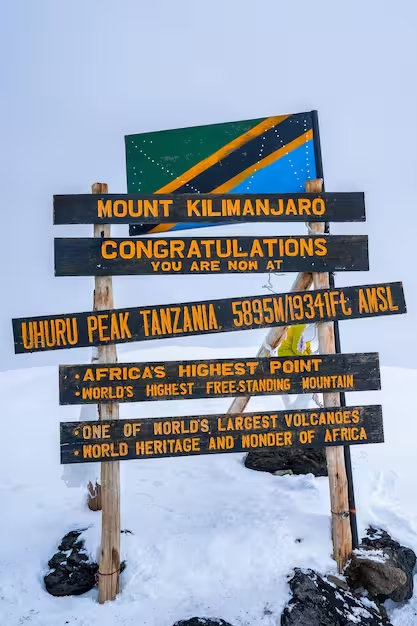
climb under the stars. The ascent is physically demanding, but reaching Uhuru
Peak at sunrise is an unforgettable achievement. The views from the top are
breathtaking, with glaciers and clouds stretching below. After celebrating at
the summit, you descend carefully back to Kibo and continue down to Horombo Hut
for rest.
Day 6: Horombo Hut → Marangu Gate
Location: Kilimanjaro, Northern Zone
The final day takes you back through moorland and into the
lush rainforest. The descent is long but rewarding, with warmer air and richer
oxygen levels making the trek more comfortable. As you reach Marangu Gate, you
receive your summit certificate and celebrate the successful completion of your
Kilimanjaro adventure.
What’s Included
Kilimanjaro park fees & permits
Professional guides, porters & cook
Hut accommodation (Mandara, Horombo, Kibo)
All meals during the climb
Drinking water
Safety equipment & rescue support
Transfers (hotel ↔ gate)
Summit certificate
Crew wages & support
Pre-climb briefing
Accommodations
Mandara Hut
Mandara Hut is a basic mountain accommodation camp made up of wooden A-frame huts and shared dormitory-style buildings, designed to provide shelter and rest for trekkers. Facilities are simple and functional, including communal sleeping areas, dining huts, and basic washrooms, with no private bathrooms or luxury services. The surrounding environment is lush and green, as it lies within the montane rainforest zone of Kilimanjaro, where visitors often encounter monkeys such as blue monkeys and colobus monkeys, along with rich birdlife and dense tropical vegetation. A short walk from the camp leads to the Maundi Crater, a popular viewpoint offering wide views toward the Kenyan plains and surrounding forest. Mandara Hut is an important acclimatization and rest point, marking the transition from rainforest trekking to higher-altitude environments on the mountain.
Horombo Hut
Horombo Hut is a mountain accommodation camp, consisting of a cluster of simple wooden A-frame huts and dormitory-style buildings that provide basic shelter for trekkers. The facilities include shared sleeping rooms, communal dining huts, and basic toilet blocks, with no private bathrooms or heating. Despite its simplicity, it is one of the most popular and well-established camps on Kilimanjaro due to its relatively comfortable altitude and strategic location for acclimatization. The surrounding environment is strikingly beautiful, transitioning from heath and moorland vegetation to expansive views of Mawenzi Peak and Kibo Peak, with giant lobelias and groundsels typical of Kilimanjaro’s high-altitude ecosystem. The atmosphere is lively with trekkers from around the world resting, recovering, and preparing for the next stage of the climb, making Horombo Hut both a resting point and a key milestone in the ascent of Africa’s highest mountain.
Kibo Hut
Kibo Hut is not a traditional lodge but a high-altitude mountain shelter designed purely for functionality, serving as the last resting point before the summit climb. The accommodation consists of simple stone-built dormitory huts with bunk beds, shared facilities, and no heating or running water, reflecting the extreme environment in which it is located. The surrounding landscape is barren, rocky, and dry, with almost no vegetation due to the altitude, and temperatures often drop below freezing at night. The atmosphere at Kibo Hut is unique—quiet, intense, and filled with anticipation—as climbers eat an early meal, prepare their gear, and rest briefly before beginning the midnight ascent to the summit. Despite its basic nature, Kibo Hut plays a critical role in every successful Kilimanjaro climb, offering a crucial point for acclimatization, preparation, and mental focus in one of Africa’s most extreme environments.
Gran Meliá Arusha
The hotel is a 5-star luxury property set within about 18 acres of beautifully landscaped coffee and tea plantations, offering a peaceful escape within the city. It features modern architecture blended with Tanzanian-inspired design, and many rooms offer stunning views of Mount Meru, gardens, or the plantation grounds. Guests enjoy high-end facilities including multiple restaurants, a rooftop dining and bar area, an infinity-style swimming pool, spa and wellness center, fitness facilities, and conference spaces. The atmosphere is both elegant and nature-connected, with walking paths through gardens, coffee plants, and natural greenery. Known for its exceptional service, spacious rooms, and tranquil environment, Gran Meliá Arusha is widely regarded as one of the most luxurious and refined hotels in northern Tanzania, ideal for both safari stopovers and high-end leisure stays.
Four Points by Sheraton Arusha
The hotel is a historic landmark dating back to 1894, and is considered one of the oldest hotels in East Africa. It combines colonial-era charm with modern luxury, set within beautifully maintained tropical gardens in the middle of the busy city. The property offers around 114 stylish rooms and suites, all equipped with modern comforts such as air conditioning, Wi-Fi, en-suite bathrooms, and contemporary furnishings. Guests enjoy facilities including a swimming pool, fitness center, spa services, meeting and conference spaces, and multiple dining options, including the well-known Parachichi Restaurant and Hatari Bar. Despite being centrally located, the hotel maintains a calm and green atmosphere, making it a popular choice for travelers looking for comfort, history, and convenience before or after a safari experience in Tanzania.
Planet Lodge Arusha
The lodge is a peaceful, eco-friendly accommodation set within about 4.5 acres of lush tropical gardens, offering views of Mount Meru on clear days. It is designed in a unique African village-style concept, with chalet-style rooms spread out across landscaped grounds, creating a calm and private atmosphere. Guests stay in spacious, air-conditioned rooms equipped with modern comforts such as private bathrooms, mosquito nets, Wi-Fi, and verandas. The property features a swimming pool, restaurant serving local and international cuisine, a bar, spa services, and well-maintained walking paths surrounded by greenery and birdsong. Known for its warm hospitality, cleanliness, and relaxing environment, Arusha Planet Lodge is often described as an “oasis of calm” for travelers arriving in Tanzania or preparing for safari adventures.
The 7-day Rongai Route approaches Mount Kilimanjaro from the remote northern side near the Kenyan border. This route is quieter, drier, and less crowded than the southern routes, making it ideal during the rainy season and for travelers seeking a more peaceful trekking experience. With a gradual ascent and well-balanced acclimatization, Rongai offers a safer and more enjoyable climb with a high summit success rate, although it is slightly less scenic compared to Machame and Lemosho.
7 Days Rongai Route · 1
7-Day Rongai Route – Mount Kilimanjaro — Day-by-Day Itinerary
Day 1: Rongai Gate → Simba Camp
Location: Kilimanjaro, Northern Zone
Your journey begins on the northern side of Kilimanjaro,
where the trail gently ascends through farmland and pine forest before entering
the mountain wilderness. The environment is noticeably drier than the southern
routes, offering a different perspective of the mountain. The gradual climb
allows your body to adjust comfortably while enjoying quiet trails with fewer
trekkers. As you reach Simba Camp, you are welcomed by open landscapes and your
first real sense of being on the mountain.
Day 2: Simba Camp → Second Cave Camp
Location: Kilimanjaro, Northern Zone
The trail continues with a steady ascent through heather and
moorland, offering increasingly wide views of the surrounding landscapes. The
terrain is open and less forested, giving you a sense of isolation and
tranquility. The climb is not too demanding, allowing for proper
acclimatization while enjoying the peaceful environment. Second Cave Camp
provides a scenic resting point with views back toward the plains below.
Day 3: Second Cave → Kikelewa Camp
Location: Kilimanjaro, Northern Zone
Today’s trek becomes steeper as you move toward higher
altitude, with changing vegetation and more rugged terrain. The trail offers
impressive views of Mawenzi Peak, one of Kilimanjaro’s most dramatic features.
The climb is steady but manageable, and by the time you reach Kikelewa Camp,
you are surrounded by unique high-altitude vegetation and striking scenery that
highlights the mountain’s beauty.
Day 4: Kikelewa Camp → Mawenzi Tarn Camp
Location: Kilimanjaro, Northern Zone
This is one of the most beautiful days on the Rongai Route
as you ascend toward Mawenzi Tarn, located beneath the towering Mawenzi Peak.
The landscape becomes more dramatic and rugged, with alpine vegetation and
rocky terrain dominating the environment. The shorter trekking distance allows
for better acclimatization, giving you time to rest and enjoy the incredible
surroundings at camp.
Day 5: Mawenzi Tarn → Kibo Hut
Location: Kilimanjaro, Northern Zone
The trail crosses the vast saddle between Mawenzi and Kibo
Peaks, an exposed and striking landscape with little vegetation. The terrain is
dry and barren, emphasizing the high-altitude conditions. This is a preparation
day, allowing you to conserve energy while moving steadily toward Kibo Hut,
where you rest before the summit attempt.
Day 6: Kibo Hut → Uhuru Peak → Horombo Camp
Location: Kilimanjaro, Northern Zone
Summit day begins at midnight with a challenging ascent
under the stars. The climb is gradual but demanding, requiring determination
and endurance. Reaching Uhuru Peak at sunrise is an unforgettable achievement,
offering breathtaking views above the clouds. After celebrating, you descend
carefully to Horombo Camp for rest.
Day 7: Horombo Camp → Marangu Gate
Location: Kilimanjaro, Northern Zone
The
final day is a long descent through moorland and rainforest, where the air
becomes richer and warmer. As you approach the gate, the sense of achievement
grows stronger, marking the successful completion of your Kilimanjaro adventure.
What’s Included
All Kilimanjaro National Park fees, including entry fees, camping or hut fees, rescue fees, and conservation charges required by the Tanzania National Parks Authority.
Services of professional, experienced, English-speaking mountain guides, assistant guides, porters, and a dedicated cook, all trained in high-altitude safety and client care.
All accommodation on the mountain, including quality tents for camping routes or hut accommodation where applicable.
Complete camping equipment, including mountain tents, sleeping mats, dining tent, tables, and chairs.
Nutritious meals throughout the trek, including breakfast, lunch, dinner, and snacks, prepared fresh to support energy at high altitude.
Safe drinking water, treated and filtered daily to ensure proper hydration.
Emergency rescue support, including rescue fees, oxygen cylinders, pulse oximeter monitoring, and first aid kits carried by guides.
All transfers, including transport from your hotel in Arusha or Moshi to the starting gate and return after the climb.
Summit certificates issued upon successful completion of the climb.
All crew wages, food, and ethical treatment, in compliance with Kilimanjaro porter welfare standards.
Pre-climb briefing and gear check, ensuring you are fully prepared before starting the trek.
Accommodations
Simba Camp Tents
Simba Camp is a basic mountain tented campsite where trekkers stay in expedition tents set up by porters and guides, rather than permanent huts or lodges. Facilities are simple and functional, with a designated dining tent, basic toilet arrangements, and no electricity or running water. The camp is surrounded by dense montane rainforest on the lower slopes, which is rich in biodiversity and often features wildlife such as colobus monkeys, blue monkeys, and a variety of bird species. The atmosphere is humid, green, and alive with forest sounds, offering climbers their first real immersion into Kilimanjaro’s natural ecosystem before progressing into higher altitude zones like heath, moorland, and alpine desert.
Second Cave Camp Tents
Second Cave Camp is a basic high-altitude tented campsite, meaning it has no permanent buildings or lodge-style structures. Trekkers stay in portable expedition tents provided and set up by guides and porters, with simple dining tents for meals and rest. Facilities are very basic—there is no electricity, no running water, and only minimal toilet arrangements, reflecting the remote mountain environment. Water is typically sourced from nearby streams when available and treated before use. The camp sits in the heath and moorland zone, offering open landscapes, scattered alpine vegetation, and occasional views toward Mawenzi Peak. It is mainly used as a rest and acclimatization stop, helping climbers adjust to altitude before continuing higher up the Rongai Route toward Kikelewa Camp, Mawenzi Tarn, and eventually Kibo Hut on the summit push. The atmosphere is quiet and isolated, with fewer crowds compared to the southern routes, giving trekkers a strong sense of wilderness and solitude on Kilimanjaro.
Kikelewa Camp Tents
Kikelewa Camp is a basic high-altitude tented campsite, meaning there are no permanent buildings. Climbers stay in portable expedition tents set up by porters and guides, with simple dining tents and very basic camping facilities. There is no electricity, no running water, and no permanent infrastructure, and water is typically collected from nearby streams when available. The environment is part of the heath and moorland zone, characterized by open landscapes, scattered giant groundsels, and striking views of Mawenzi’s jagged volcanic ridges. The camp is often used for acclimatization and rest, giving climbers a quieter, more wilderness-focused experience before continuing toward higher camps such as Mawenzi Tarn or Kibo Hut on the way to Uhuru Peak.
Mawenzi Tarn Camp Tents
Mawenzi Tarn Camp is a remote mountain tented campsite, not a permanent lodge or hut system. Climbers stay in portable expedition tents set up by guides and porters, with simple camping-style dining tents and basic support facilities. There is no permanent infrastructure—no electricity, no running water, and no buildings—only essential camping services. Water is usually collected from a nearby tarn (small alpine lake), and conditions are cold, dry, and exposed due to the high altitude. The setting is one of the most spectacular on Kilimanjaro, surrounded by towering jagged cliffs of Mawenzi Peak and open alpine desert landscapes. Wildlife is minimal at this elevation, but birds such as ravens may be seen circling the cliffs. The camp is primarily used for acclimatization and trekking preparation, especially on routes that include an extra night around Mawenzi to improve summit success. The atmosphere is quiet, remote, and highly scenic, offering climbers a strong sense of isolation and high-mountain wilderness before continuing toward Kibo Hut and the summit push to Uhuru Peak.
Kibo Camp Tents
Kibo Hut is a basic high-altitude mountain shelter, not a lodge, consisting of stone-built dormitory rooms with simple bunk beds and shared facilities. The camp is very minimal—there is no heating, no running water inside the huts, and only basic toilet facilities nearby, reflecting the extreme conditions at this altitude. The surrounding environment is cold, dry, and barren, with rocky volcanic terrain and almost no vegetation, and temperatures often drop below freezing, especially at night. This camp is one of the most important points on Kilimanjaro because climbers typically arrive in the afternoon, rest briefly, and then begin the final summit push around midnight. The atmosphere at Kibo Hut is quiet and intense, filled with preparation, gear checks, and early meals before the demanding ascent through Gilman’s Point and finally Uhuru Peak. Despite its harsh conditions, Kibo Hut plays a critical role in the success of Kilimanjaro climbs, acting as the final staging point before reaching the “Roof of Africa.”
Horombo Camp Tents
Horombo Hut is the largest hut-based camp on Kilimanjaro, designed in simple A-frame wooden dormitory-style cabins that typically accommodate about 6–8 climbers per hut, with a total capacity of around 120 trekkers per night. The facilities are basic but more developed than higher camps, including shared dining huts, ranger offices, and toilet blocks, with a nearby stream providing one of the more reliable water sources on the mountain. Surrounded by the heath and moorland zone, the camp offers dramatic views of both Kibo and Mawenzi peaks, with unique high-altitude vegetation such as giant groundsels and lobelias. The atmosphere is a mix of rest and preparation, as climbers often spend one or two nights here to acclimatize before the final push toward Kibo Hut and Uhuru Peak.
Gran Meliá Arusha
The hotel is a 5-star luxury property set within approximately 18 acres of landscaped coffee and tea plantations, offering a calm, green oasis in the middle of Arusha city. It features modern architecture blended with Tanzanian-inspired design, with spacious rooms and suites that open onto balconies overlooking Mount Meru, gardens, or the city skyline. Guests enjoy high-end facilities including multiple restaurants, a rooftop dining and bar area, an infinity-style swimming pool, spa and wellness centre, fitness facilities, and elegant conference spaces. The environment is quiet and nature-focused, with walking paths through coffee plantations and gardens, creating a resort-like atmosphere despite being close to the city. Known for its exceptional service, scenic views, and premium comfort, Gran Meliá Arusha is widely considered one of the most luxurious hotels in northern Tanzania and a top choice for safari travelers and high-end stays.
Four Points by Sheraton Arusha
The hotel is a historic property dating back to 1894 and one of the oldest hotels in East Africa, blending colonial heritage with modern comfort. It offers around 114 well-appointed rooms and suites, set within lush, well-maintained tropical gardens that create a peaceful atmosphere despite its central city location. Guests enjoy facilities such as a swimming pool, fitness center, spa services, conference facilities, and multiple dining options, including the popular Parachichi Restaurant and the iconic Hatari Bar. The hotel is known for its mix of history, comfort, and convenience, making it a popular choice for both business travelers and safari guests using Arusha as a gateway to Serengeti, Ngorongoro, Tarangire, and other northern circuit parks.
Planet Lodge Arusha
The lodge is a 3-star eco-friendly property designed in a traditional African village style, featuring round chalet-style rooms spread across about 4.5 acres of lush tropical gardens. The rooms are spacious and well-equipped with modern comforts such as air conditioning, en-suite bathrooms, Wi-Fi, mosquito nets, private terraces, and tasteful African-inspired décor. Guests enjoy facilities including a swimming pool, restaurant serving local and international cuisine, two bars, spa services, fitness center, and walking gardens surrounded by birds and greenery. The atmosphere is calm and relaxing, often described as a “green oasis” with views of Mount Meru on clear days. Known for its warm hospitality, cleanliness, and convenience, Arusha Planet Lodge is a popular choice for both pre- and post-safari stays in northern Tanzania.
The 7-day Lemosho Route is widely regarded as the most scenic and well-balanced way to climb Mount Kilimanjaro. It begins on the remote western side of the mountain, offering a quieter and more immersive start through untouched rainforest before joining the Shira Plateau. With gradual altitude gain and excellent acclimatization, this route provides a safer and more enjoyable experience, making it one of the highest success rate options for reaching Uhuru Peak.
7 Days Lemosho Route · 1
7-Day Lemosho Route – Mount Kilimanjaro — Day-by-Day Itinerary
Day 1: Lemosho Gate → Mti Mkubwa Camp
Location: Kilimanjaro, Northern Zone
Your adventure begins on the western slopes of Kilimanjaro,
where the trail leads you through a dense and pristine rainforest rarely
visited by other routes. The environment feels wild and untouched, with
towering trees, thick undergrowth, and the possibility of spotting monkeys and
forest birds along the way. The steady ascent allows your body to begin
adapting gradually, while the peaceful surroundings set the tone for a quieter
and more immersive climb. You arrive at Mti Mkubwa Camp, surrounded by forest,
where the sounds of nature create a calm and authentic mountain experience.
Day 2: Mti Mkubwa → Shira 1 Camp
Location: Kilimanjaro, Northern Zone
As you leave the forest behind, the landscape opens
dramatically into heath and moorland, revealing wide views of the Shira
Plateau. The vegetation becomes lower, and the terrain shifts into volcanic
rock and rolling hills. The trail is gentle but steady, allowing for good
acclimatization while offering incredible scenery. As you gain altitude, the
sense of scale becomes more impressive, with distant peaks and open skies
surrounding you. By the time you reach Shira 1 Camp, you begin to feel the true
high-altitude environment of Kilimanjaro.
Day 3: Shira 1 → Shira 2 Camp
Location: Kilimanjaro, Northern Zone
Today’s trek is relatively gentle, allowing your body to
continue adapting while you explore the vast Shira Plateau. The terrain is open
and scenic, with sweeping views in every direction and a growing presence of
high-altitude vegetation. The gradual gain in altitude makes this day important
for acclimatization, while the dramatic landscape provides excellent
photography opportunities. As you reach Shira 2 Camp, you are rewarded with
clear views of Kibo Peak, bringing you closer to the summit goal.
Day 4: Shira 2 → Lava Tower → Barranco Camp
Location: Kilimanjaro, Northern Zone
This is a critical acclimatization day as you climb higher
into the alpine desert, where the terrain becomes more rugged and dramatic.
Reaching Lava Tower at over 4,600 meters challenges your body, but the descent
to Barranco Camp helps you recover and adjust effectively. The landscapes are
striking, with volcanic formations and vast open spaces creating a powerful
mountain atmosphere. Arriving at Barranco Camp beneath the towering wall, you
experience one of the most iconic and beautiful locations on Kilimanjaro.
Day 5: Barranco Camp → Karanga Camp
Location: Kilimanjaro, Northern Zone
The day begins with the famous Barranco Wall, a steep but
manageable climb that offers a thrilling start to the morning. Once at the top,
the trail continues through ridges and valleys with incredible views of
glaciers and surrounding peaks. The shorter distance allows you to focus on
acclimatization while enjoying the scenery at a relaxed pace. Karanga Camp
provides a quiet and strategic resting point before heading to higher altitude.
Day 6: Karanga Camp → Barafu Camp
Location: Kilimanjaro, Northern Zone
As you move higher, the environment becomes more extreme,
with rocky terrain and thinner air. The trail leads you into the alpine desert,
where vegetation disappears and the summit feels within reach. This is a preparation
day, allowing you to conserve energy and mentally prepare for the final ascent.
At Barafu Camp, you rest early, hydrate, and get ready for the midnight summit
push.
Day 7: Barafu Camp → Uhuru Peak → Mweka Camp
Location: Kilimanjaro, Northern Zone
The summit attempt begins at midnight, with a slow and
steady climb under the stars. The challenge is intense, but reaching Uhuru Peak
at sunrise is a powerful and unforgettable moment. After celebrating at the
top, you descend carefully back to Barafu and continue down to Mweka Camp. The
long day is physically demanding but incredibly rewarding, marking the
highlight of your Kilimanjaro journey.
What’s Included
Park fees & permits
Professional guides, porters & cook
Mountain accommodation (tents or huts)
Camping equipment
All meals on the mountain
Drinking water
Safety equipment & rescue support
Transfers (hotel ↔ mountain)
Summit certificate
Crew wages & support
Accommodations
Mti Mkubwa Camp Tents
Mti Mkubwa Camp is a basic high-altitude tented campsite where climbers stay in portable expedition tents set up by porters and guides. The facilities are very simple, including a shared dining tent and basic toilet areas, with no permanent buildings, no electricity, and no running water infrastructure. Water is usually sourced from nearby forest streams and treated before use. The camp is surrounded by dense montane rainforest, creating a lush, green, and humid environment filled with wildlife such as blue monkeys, colobus monkeys, and various bird species. The forest is thick and atmospheric, often misty and alive with natural sounds, offering trekkers their first true immersion into Kilimanjaro’s ecosystem. Mti Mkubwa Camp is an important rest and acclimatization point before continuing upward to Shira Plateau camps (Shira 1 and Shira 2) as climbers transition from rainforest to moorland and higher alpine zones.
Shira 1 Camp Tents
Shira 1 Camp is a basic high-altitude tented campsite, where climbers stay in portable expedition tents set up by guides and porters. There are no permanent buildings or lodge facilities, and services are very simple, including a designated dining tent and basic toilet areas. There is no electricity and no running water infrastructure, so water is typically carried or sourced carefully from available natural points depending on conditions. The camp is set in a wide, open alpine moorland landscape, offering early dramatic views of the Shira Plateau, volcanic rock formations, and sometimes distant views of Mount Meru and the Kibo summit cone on clear days. The environment is cooler, windier, and more exposed than lower forest camps, marking a clear transition from rainforest into high-altitude terrain. Shira 1 Camp is also an important acclimatization stage, helping trekkers adjust before continuing to Shira 2 Camp, Lava Tower, and eventually Barranco and Barafu camps on the summit journey.
Shira 2 Camp Tents
Shira 2 Camp is a basic high-altitude tented campsite, where trekkers stay in portable expedition tents set up by guides and porters. The facilities are simple and functional, with a shared dining tent and basic toilet areas, and there is no permanent infrastructure, no electricity, and no running water in camp structures. Water is usually brought in or collected from nearby sources depending on conditions. The camp is set in an open alpine moorland environment, offering wide, dramatic views of Mount Meru in the distance, the Shira Plateau, and often the summit cone of Kibo on clear days. The landscape is characterized by volcanic rock formations, sparse vegetation, and cold, windy conditions due to the high altitude. Shira 2 Camp is also an important acclimatization stop, allowing climbers to adjust before continuing toward Lava Tower, Barranco Camp, and ultimately Barafu Camp on the summit route.
Barranco Camp Tents
Barranco Camp is a basic high-altitude tented campsite, where climbers stay in portable expedition tents set up by porters and guides. Facilities are simple, with a communal dining tent and basic toilet areas, and there is no permanent infrastructure, no electricity, and no running water in camp structures. Water is typically sourced and carried from higher or lower points depending on availability. The camp is famous for its breathtaking setting, surrounded by giant groundsels and lobelias in the alpine moorland zone, with the towering Barranco Wall rising dramatically nearby. One of the highlights for trekkers is the next morning’s climb of the Barranco Wall, a steep but non-technical scramble that adds excitement and variety to the route. Barranco Camp is often described as one of the most beautiful camps on Kilimanjaro, offering a unique combination of scenery, atmosphere, and a strong sense of high-altitude adventure before continuing toward Karanga Camp and Barafu Camp on the way to Uhuru Peak.
Karanga Camp Tents
Karanga Camp is a basic high-altitude tented campsite, where trekkers stay in portable expedition tents set up by guides and porters. The facilities are simple, with a designated dining tent and basic toilet areas, and there is no permanent infrastructure, no electricity, and no running water in camp structures. Water is usually carried from lower sources and carefully managed due to the dry alpine environment. The camp is set in a barren alpine desert landscape, with rocky terrain, sparse vegetation, and wide views of surrounding ridges and valleys. Karanga Camp is mainly used as an acclimatization and recovery stop, allowing climbers to rest and adjust before continuing to Barafu Camp, the final base before the midnight summit push. The atmosphere is calm and focused, as trekkers prepare both physically and mentally for the most demanding stage of the Kilimanjaro ascent.
Barafu Camp Tents
Barafu Camp is a basic high-altitude tented campsite, meaning there are no permanent buildings—only expedition tents set up by porters and guides. Facilities are extremely simple: there is no running water, no heating, no electricity, and very limited toilet facilities, reflecting the harsh conditions at this altitude. The ground is rocky, dry, and wind-exposed, and temperatures often drop well below freezing at night. Barafu Camp is one of the most important and intense points on Kilimanjaro because climbers usually arrive in the afternoon, rest briefly, and then begin the final summit push around midnight. The atmosphere is quiet, cold, and focused, with trekkers preparing gear, eating early meals, and trying to rest before the demanding ascent through Stella Point and onward to Uhuru Peak. Despite its harsh environment, Barafu is a critical staging point that plays a major role in successful summit attempts.
Mweka Camp Tents
Mweka Camp is a basic high-altitude tented campsite, where trekkers stay in portable expedition tents set up by porters and guides, with simple dining tents and very limited facilities. There is no permanent infrastructure, no electricity, and no running water in camp areas, and conditions are often damp due to the surrounding rainforest environment. The camp is surrounded by lush green forest, thick vegetation, and rich biodiversity, including monkeys, birds, and other forest wildlife commonly found in Kilimanjaro’s lower ecological zones.
Mweka Camp is mainly used for rest before the final descent to Mweka Gate, which is usually completed the following morning. The atmosphere here is calm and reflective, as climbers recover from the summit experience and transition back from high alpine conditions into the tropical forest environment.
The 7-day Machame Route is one of the most rewarding ways to climb Mount Kilimanjaro, offering a perfect balance between challenge, scenery, and acclimatization. This route allows a gradual ascent through diverse ecosystems, helping your body adapt to altitude while maximizing your chances of reaching Uhuru Peak. From dense rainforest to alpine desert and icy summit glaciers, each day delivers a unique and immersive mountain experience.
Your journey begins at Machame Gate, where after
registration you step into the lush rainforest that blankets the lower slopes
of Kilimanjaro. The trail is alive with towering trees, hanging moss, and the
sounds of birds and monkeys, creating an immersive natural atmosphere. The
steady climb allows your body to gently adjust to altitude while you enjoy a
shaded and refreshing trek. By late afternoon, you arrive at Machame Camp,
surrounded by forest and mist, marking the first milestone of your climb.
Day 2: Machame Camp → Shira Camp
Location: Kilimanjaro, Northern Zone
As you leave the rainforest behind, the landscape opens
dramatically into moorland, with giant heathers and volcanic rock formations
replacing dense vegetation. The air becomes cooler and thinner, and the views
expand across the Shira Plateau with impressive sights of Kibo Peak ahead. The
trek is shorter but more exposed, allowing you to truly appreciate the scale of
the mountain. Arriving at Shira Camp, you are rewarded with wide panoramic
views and a deeper sense of being high on Africa’s tallest peak.
Day 3: Shira Camp → Lava Tower → Barranco Camp
Location: Kilimanjaro, Northern Zone
This is a crucial acclimatization day and one of the most
dramatic stages of the climb. You ascend steadily into the alpine desert, where
vegetation fades and the terrain becomes rugged and volcanic. Reaching Lava
Tower at over 4,600 meters, you experience the effects of high altitude before
descending into the sheltered Barranco Valley. This “climb high, sleep low”
approach is key to your success. The day ends at Barranco Camp beneath the
towering Barranco Wall, with stunning views that make it one of the most
memorable camps on the mountain.
Day 4: Barranco Camp → Karanga Camp
Location: Kilimanjaro, Northern Zone
The day begins with the famous Barranco Wall, a thrilling
but non-technical scramble that rewards you with incredible views once at the
top. From there, the trail winds through valleys and ridges with dramatic
scenery of glaciers and rugged terrain. The shorter distance allows for better
acclimatization and time to enjoy the surroundings without rushing. By the time
you reach Karanga Camp, you feel stronger and more adapted to the altitude,
ready for the higher elevations ahead.
Day 5: Karanga Camp → Barafu Camp
Location: Kilimanjaro, Northern Zone
Today’s trek leads you into the stark alpine desert zone,
where the environment becomes harsher and more exposed. The landscape is
dominated by rock and dust, with sweeping views of the summit ahead. Although
the trek is relatively short, it is an important day to conserve energy and
prepare mentally for the summit push. At Barafu Camp, you rest early, hydrate,
and receive your final briefing before the midnight ascent begins.
Day 6: Barafu Camp → Uhuru Peak → Mweka Camp
Location: Kilimanjaro, Northern Zone
This is the most challenging and rewarding day of the
expedition. You begin your ascent around midnight, trekking slowly under the
stars in freezing temperatures. Reaching Uhuru Peak at sunrise is an
unforgettable moment, with panoramic views above the clouds and glaciers
surrounding Africa’s highest point. After celebrating your achievement, you
descend carefully back to Barafu and continue down to Mweka Camp, where you can
finally rest after an intense but life-changing day.
Day 7: Mweka Camp → Mweka Gate
Location: Kilimanjaro, Northern Zone
Your final day takes you back through the lush rainforest,
where oxygen levels increase and the air feels warmer and richer. The descent
is gentle and allows time to reflect on your achievement. At Mweka Gate, you
receive your summit certificate and celebrate completing one of the world’s
most iconic climbs. From here, you transfer back to your hotel for a
well-deserved rest.
What’s Included
All Kilimanjaro park fees and conservation charges
Professional English-speaking mountain guides, porters, and cook
All camping equipment (tents, sleeping mats, dining tent)
Meals on the mountain (breakfast, lunch, dinner)
Drinking water during the trek
Rescue fees and emergency support
Transfers (hotel ↔ Machame Gate ↔ Mweka Gate)
Summit certificate for successful climbers
Basic first aid kit and oxygen cylinder for safety
Crew wages and allowances
Accommodations
Machame Camp Tents
Machame Camp is a basic high-altitude tented campsite, where climbers sleep in expedition tents set up by porters and guides. There are no permanent buildings, and facilities are simple, including a shared dining tent and basic toilet areas. There is no electricity, no heating, and no running water infrastructure, so all water and supplies are carried and managed by the climbing team. The camp is surrounded by lush montane rainforest, creating a green, humid, and vibrant environment filled with wildlife such as colobus monkeys, blue monkeys, and many bird species. Mist and rain are common, giving the forest a dramatic and atmospheric feel. Machame Camp is an important rest and acclimatization point, allowing climbers to recover after the first steep ascent before continuing upward to Shira Plateau (Shira 1 and Shira 2 Camps) and higher alpine zones on the way to Barafu Camp and Uhuru Peak.
Shira Camp Tents
Shira Camp is a basic high-altitude tented campsite, where climbers stay in portable expedition tents set up by guides and porters. There are no permanent structures, and facilities are very simple, typically including a communal dining tent and basic toilet arrangements. There is no electricity, no heating, and no running water infrastructure, and all supplies are carried in by the trekking crew or sourced carefully where possible. The camp is set on an open volcanic plateau, offering wide panoramic views of Mount Meru in the distance, the Kibo summit cone, and the expansive Shira landscape. The environment is colder, windier, and more exposed than lower forest camps, with sparse alpine vegetation and volcanic rock formations. Shira Camp is an important acclimatization stage, allowing climbers to adjust to altitude before continuing toward Lava Tower, Barranco Camp, and eventually Barafu Camp on the way to Uhuru Peak.
Barranco Camp Tents
Barranco Camp is a basic high-altitude tented campsite, where climbers sleep in expedition tents set up by porters and guides. There are no permanent buildings, and facilities are simple, including a shared dining tent and basic toilet areas. There is no electricity, no heating, and no running water infrastructure, so all supplies are carried and managed by the trekking team. The camp is set in one of the most beautiful environments on Kilimanjaro, surrounded by giant groundsels and lobelias typical of the alpine moorland zone, with dramatic views of the towering Barranco Wall. One of the most memorable experiences is the next morning’s climb of the Barranco Wall—a steep but non-technical scramble that adds adventure and excitement to the route. Barranco Camp is an important acclimatization stop and is often considered one of the most scenic camps on the entire mountain before continuing toward Karanga Camp and Barafu Camp on the way to the summit.
Karanga Camp Tents
Karanga Camp is a basic high-altitude tented campsite, where climbers stay in expedition tents set up by guides and porters. There are no permanent buildings or lodge-style facilities, and services are very limited, including a communal dining tent and basic toilet facilities. There is no electricity, no heating, and no running water infrastructure, and water is usually carried from lower sources or carefully rationed due to the dry alpine environment. The camp is set in a rocky alpine desert landscape, with sparse vegetation, dry slopes, and wide mountain views. The air is noticeably thinner here, and temperatures can drop significantly at night. Karanga Camp is mainly used for acclimatization, rest, and recovery, helping climbers adjust before continuing to Barafu Camp, the final staging point before the midnight summit attempt to Uhuru Peak (5,895 m).
Barafu Camp Tents
Barafu Camp is a basic high-altitude tented campsite, where climbers stay in portable expedition tents set up by guides and porters. There are no permanent buildings, no electricity, no heating, and no running water, and facilities are very limited due to the extreme altitude and harsh environment. The ground is rocky, dusty, and often windy, with temperatures frequently dropping below freezing at night. The camp plays a critical role in the Kilimanjaro climb because it is where trekkers rest briefly, eat an early dinner, and prepare gear before beginning the final summit push around midnight. The atmosphere is quiet, tense, and focused, as climbers prepare mentally and physically for the most demanding part of the ascent. From Barafu, the route continues up steep scree slopes to Stella Point and finally Uhuru Peak, making it one of the most important and memorable camps on the mountain.
Mweka Camp Tents
Mweka Camp is a basic high-altitude tented campsite, meaning there are no permanent buildings or huts. Climbers sleep in expedition tents set up by porters and guides, with simple communal dining tents and very basic toilet facilities. There is no electricity, no running water infrastructure, and limited services, as it is designed purely as a short rest stop after the summit descent.
The camp is surrounded by lush, wet rainforest, with tall trees, thick vegetation, and frequent mist or rain. Wildlife such as monkeys and forest birds can often be seen in the area. Compared to the harsh summit environment, Mweka Camp feels much warmer, greener, and more oxygen-rich, offering climbers a chance to rest, recover, and reflect after reaching Uhuru Peak (5,895 m). The next morning, trekkers continue the final descent to Mweka Gate, where the climb officially ends and summit certificates are issued.
Gran Meliá Arusha
The hotel is a 5-star luxury property set within about 18 acres of beautifully landscaped coffee and tea plantations, creating a peaceful resort-style environment right inside Arusha city. It is designed as a modern luxury retreat with spacious rooms and suites featuring private balconies, many offering views of Mount Meru, gardens, or the city skyline. The property combines contemporary architecture with subtle Tanzanian-inspired design and offers high-end facilities including multiple restaurants, a rooftop dining and bar area, an infinity-style swimming pool, spa and wellness centre, fitness facilities, and elegant conference spaces. Despite being close to the city, Gran Meliá Arusha feels quiet and nature-connected, with walking paths through gardens and plantations that create a calm, exclusive atmosphere. It is widely regarded as one of the most luxurious hotels in northern Tanzania and is especially popular for safari stopovers, honeymoon stays, and premium business travel due to its comfort, service quality, and strong gateway location to Tanzania’s major national parks.
Four Points by Sheraton Arusha
The hotel is a historic luxury property dating back to 1894, making it one of the oldest hotels in East Africa. It blends colonial-era architecture with modern comfort, surrounded by lush, well-maintained tropical gardens in the middle of the busy city. The property offers around 114 stylish rooms and suites, featuring modern amenities such as air conditioning, Wi-Fi, en-suite bathrooms, and comfortable furnishings. Guests enjoy facilities including a swimming pool, fitness center, spa services, conference facilities, and multiple dining options, including the well-known Parachichi Restaurant and Hatari Bar. Despite its central location, the hotel maintains a calm, green, and relaxed atmosphere, making it ideal for both business travelers and safari guests. It is widely used as a pre- and post-safari stay hotel due to its comfort, reliability, and easy access to Arusha’s main transport routes and safari departure points.
Planet Lodge Arusha
Arusha Planet Lodge is a peaceful, mid-range eco-lodge designed in an African village style, set within about 4.5 acres of lush tropical gardens. The property features round chalet-style rooms (African huts) spread across landscaped greenery, creating a calm, private, and nature-connected atmosphere away from the noise of the city. Guests stay in spacious, air-conditioned rooms with en-suite bathrooms, mosquito nets, Wi-Fi, private terraces, and comfortable safari-style décor. The lodge also offers facilities such as a swimming pool, restaurant serving local and international cuisine, two bars, spa services, and a fitness area, all surrounded by gardens that attract birds and offer occasional views of Mount Meru on clear days. Known for its warm hospitality, cleanliness, and relaxing environment, it is widely used as a pre- and post-safari accommodation hub in northern Tanzania.
This 2-day package combines culture, light adventure, and relaxation at the foothills of Mount Kilimanjaro. Starting from Moshi, you explore the lush highlands of Materuni with its waterfalls and authentic Chagga coffee experience, followed by a refreshing escape to the crystal-clear waters of Kikuletwa Hot Springs. It’s a perfectly balanced short getaway offering nature, culture, and relaxation.
2 Days · 1
2 Days Moshi Nature & Culture Experience: Materuni & Chemka Hot Springs — Day-by-Day Itinerary
Day 1: Materuni Village & Waterfalls
Location: Materuni Village
Your day begins with a short drive from Moshi to Materuni
Village, located on the green slopes of Kilimanjaro. The journey itself is
scenic, passing through banana farms and rural landscapes before reaching the
village. From here, a guided walk takes you through local farms and forest
trails to the impressive Materuni Waterfalls, where you can relax and enjoy the
cool mountain environment. After the hike, you experience a traditional Chagga
coffee tour, learning the full process from bean to cup in an interactive and
cultural setting.
Day 2: Chemka Hot Springs
Location: Chemka Hot Springs
After breakfast, you drive from Moshi toward Kikuletwa Hot
Springs, passing through local villages and semi-arid landscapes. The final
part of the journey takes you off-road, leading to a hidden oasis surrounded by
fig trees and palms. Upon arrival, you are welcomed by crystal-clear turquoise
water, perfect for swimming and relaxation. The peaceful setting allows you to
unwind, enjoy nature, and take in the beauty of this unique location before
returning to Moshi in the afternoon.
What’s Included
Private transport (4×4 or comfortable safari vehicle)
All transfers from Moshi to Materuni Village and Chemka Hot Springs, including hotel pickup and drop-off.
Professional English-speaking guide
Experienced local guide to lead all activities, provide cultural insights, and ensure a smooth and enjoyable experience.
Materuni village & waterfall entry fees
Includes all community and conservation fees required to access the village and waterfalls.
Guided waterfall hike
Full guided walk through farms and forest trails to Materuni Waterfalls and back.
Traditional Chagga coffee tour
Hands-on experience including coffee preparation, roasting, grinding, and tasting in a local setting.
Lunch during Materuni tour
Local-style meal prepared and served within the village environment.
Chemka Hot Springs entry fees
Access to Kikuletwa Hot Springs and surrounding relaxation areas.
Bottled drinking water
Provided throughout both days to keep you hydrated.
All government taxes and service charges
No hidden costs related to park or local authority fees.
Accommodations
Chanya Lodge Moshi
Chanya Lodge Moshi is a mid-range boutique lodge set within lush tropical gardens, designed as a peaceful retreat away from the busy town. The property features around 32 spacious en-suite rooms arranged in a semi-bungalow style, each with air conditioning, private verandas, modern bathrooms, mosquito nets, and warm African-inspired décor. The lodge is known for its large swimming pool, landscaped green lawns, spa and massage services, and a multi-cuisine restaurant serving local, Indian, and international dishes, creating a relaxed and comfortable atmosphere for guests. The environment is quiet, green, and relaxing, often used by travelers before and after Mount Kilimanjaro climbs or safaris in northern Tanzania. With its blend of comfort, nature, and accessibility, Chanya Lodge is considered one of the popular and reliable accommodation options in Moshi, offering a calm “home-away-from-home” experience at the base of Africa’s highest mountain.
Ameg Lodge Moshi
Ameg Lodge is a mid-range boutique lodge set on about 4.5 acres of landscaped gardens, designed using a blend of traditional Tanzanian materials and modern African contemporary style. It offers a calm, green, and private atmosphere that feels like a retreat from the town, even though it is close to Moshi. The lodge features comfortable rooms and suites with air conditioning, en-suite bathrooms, Wi-Fi, mosquito nets, and private verandas, along with a restaurant serving local and international cuisine, a bar, a swimming pool, and a fitness centre. The environment is quiet and relaxing, with well-maintained gardens and views toward Mount Kilimanjaro on clear days. It is especially popular as a pre-climb and post-climb accommodation for Kilimanjaro trekkers, as well as a restful stop for safari travelers passing through Moshi. Overall, Ameg Lodge is known for its peaceful setting, friendly service, and strong connection to the Kilimanjaro experience, making it a reliable and comfortable stay at the base of Africa’s highest mountain.
Parkview Inn
Parkview Inn is a mid-range 3-star hotel designed for comfort, convenience, and accessibility in the heart of Moshi. It offers spacious, air-conditioned rooms with en-suite bathrooms, modern furnishings, flat-screen TVs, desks, and some rooms with views of Mount Kilimanjaro or the city. The hotel features a restaurant serving local and international dishes, a bar/lounge, 24-hour front desk, laundry services, secure parking, and free Wi-Fi, making it suitable for both leisure and business travelers. One of its standout features is the outdoor swimming pool and terrace area, where guests can relax while enjoying views of Mount Kilimanjaro on clear days. The hotel is also close to Moshi’s bus station, markets, restaurants, and tour offices, making it a practical hub for safari logistics and city exploration. Overall, Parkview Inn is known as a comfortable, centrally located, and reliable stay in Moshi, especially popular for travelers who want easy access to Kilimanjaro trekking routes and safari departures while staying in a calm, well-serviced hotel environment.
Discover Tanzania’s untamed Southern Circuit on this 8-day journey through Mikumi National Park, Ruaha National Park, and Udzungwa Mountains National Park. Starting from Dar es Salaam, the safari combines scenic travel, rich wildlife encounters, and unique landscapes. Enjoy classic game drives across Mikumi’s open plains, explore the wild and remote Ruaha—home to large elephant herds and predators—and experience a different side of Tanzania with a guided hike to waterfalls in the Udzungwa Mountains. Along the way, cultural stops in Iringa add depth to the journey. This itinerary is perfect for travelers seeking a less crowded, diverse safari experience that blends wildlife, nature, and adventure in one unforgettable trip.
Day 1: Dar es salaam to Mikumi national park – train & safari experience
Location: Mikumi national park
Your adventure begins with a scenic train journey followed
by a classic safari introduction in Mikumi. Board the modern electric SGR train
from Dar es Salaam to Morogoro, offering a comfortable and scenic ride through
Tanzania’s countryside. Upon arrival, meet your professional safari guide and
continue by road to Mikumi National Park. After check-in, head out for an
evening game drive across the Mkata Floodplain, where giraffes, elephants,
zebras, and lions roam freely.
Day 2: Full day game drive – Mikumi National Park
Location: Mikumi National Park
A full day dedicated to exploring Mikumi’s rich wildlife
ecosystem. Choose between a full-day game drive with picnic lunch or morning
and afternoon safari sessions. Track predators like lions and observe large
herds of buffalo, wildebeest, and elephants across the open plains.
Day 3: Mikumi to Iringa – Culture & History
Location: Iringa
Travel
into Tanzania’s southern highlands, combining history, geology, and local
culture. After breakfast, drive toward Iringa with scenic views of rolling
hills. Visit the Isimila Stone Age Site, famous for its dramatic sandstone
pillars formed over thousands of years and its archaeological importance.
Later, explore Iringa’s vibrant local market before settling into your lodge
Day 4: Iringa To Ruaha National Park – Into The Wild
Location: Ruaha National Park
Enter one of Africa’s most untouched wilderness areas. Drive
from Iringa to Ruaha National Park and enjoy a game drive en route. The park is
known for its rugged terrain, baobab trees, and large predator populations.
Day 5: Full Day Game Drive – Ruaha National Park
Location: Ruaha National Park
A full day exploring Tanzania’s second-largest national
park. Spend the day tracking wildlife along the Great Ruaha River. Expect
sightings of elephants, lions, leopards, and diverse birdlife in a truly wild
setting.
Day 6: Ruaha To Mikumi – Return Journey
Return toward Mikumi with scenic landscapes and optional
wildlife sightings Start with an early morning game drive, then return for
breakfast before departing for Mikumi. Enjoy changing landscapes from rugged
wilderness to open plains.
Day 7: Udzungwa Mountains – Hiking & Waterfalls
Location: Udzungwa Mountains
A unique shift from safari to rainforest adventure. Drive to
Udzungwa Mountains National Park for a full-day guided hike through lush
tropical forest. Trek to the spectacular Sanje Waterfalls, where you can swim
in natural pools and enjoy panoramic views. Spot endemic primates and birds
along the trail.
Day 8: Mikumi To Dar Es Salaam – Return By Train
Location: Dar Es Salaam
End your safari with a smooth and comfortable return
journey. After breakfast, drive to Morogoro and board the SGR train back to Dar
es Salaam, marking the end of your unforgettable Southern Circuit safari.
What’s Included
SGR train tickets (Dar–Morogoro–Dar)
Private safari vehicle & guide
Park fees & conservation fees
Full-board accommodation
Game drives & activities
Accommodations
Camp Bastian Mikumi
Camp Bastian Mikumi is a family-owned, mid-range safari camp offering a relaxed and friendly atmosphere in a natural garden setting at the edge of the wilderness. Designed as a comfortable base for exploring Mikumi, the camp features a mix of accommodation options including standard cottages, larger family chalets, and a campsite, all equipped with en-suite bathrooms, mosquito nets, ceiling fans, and private verandas overlooking the greenery. The property is known for its spacious layout and peaceful environment, with facilities such as a swimming pool, restaurant, bar, and outdoor dining areas that create a social yet tranquil ambiance. Its location in the buffer zone of the park allows guests to experience nature—often waking to birds and surrounding wildlife—while enjoying easy access to game drives, cultural tours, biking excursions, and nearby attractions. Overall, Camp Bastian offers a good balance between affordability, comfort, and authentic safari atmosphere, making it ideal for travelers looking for a practical and welcoming stay on Tanzania’s southern safari circuit.
Vuma Hills Tented Camp
Vuma Hills Tented Camp is a stylish mid-range to semi-luxury safari camp offering a perfect balance between comfort and immersive wilderness experience. The camp features around 16 spacious tented rooms built on raised wooden decks and shaded by traditional makuti roofs, each with en-suite bathrooms, solar-heated water, and private verandas that provide scenic views over the surrounding forest and plains. Unlike open savannah camps, Vuma Hills is nestled within dense woodland, creating a more secluded and tranquil atmosphere while still allowing access to excellent game viewing in Mikumi. The main lodge area includes an open dining space, lounge, bar, and a swimming pool, all positioned to take advantage of panoramic views and dramatic sunsets over the plains. The camp is unfenced, allowing wildlife to move freely nearby, and offers activities such as guided game drives, walking safaris, and excursions to nearby Udzungwa Mountains National Park. Overall, it delivers a relaxed yet authentic safari experience, combining natural beauty, good service, and a peaceful hillside setting ideal for travelers exploring Tanzania’s southern circuit.
Stanley’s Kopje Camp
Stanley’s Kopje Camp is a classic mid-range tented safari camp known for its unique elevated position—the only camp in Mikumi built on a rocky outcrop—offering breathtaking 360-degree views across the golden plains and surrounding wilderness. The camp features around 12 spacious Meru-style tents set on raised wooden platforms with traditional thatched roofs, each with en-suite bathrooms, solar-powered hot water, and private verandas that overlook the floodplain where elephants, giraffes, zebra, and other wildlife gather, especially around the nearby waterhole. The main area sits at the summit of the kopje and includes an open-sided lounge, bar, and dining space designed to maximize panoramic views, along with a small swimming pool below the hill for relaxation after game drives. The camp offers an intimate and relaxed safari atmosphere with activities such as guided game drives and walking safaris, making it ideal for travelers seeking scenic landscapes, good wildlife viewing, and an authentic bush experience without the crowds of northern parks.
Kisolanza Farm Lodge
Kisolanza Farm Lodge is a characterful, family-run farm stay that offers a unique blend of rural charm, comfort, and authentic Tanzanian countryside living. Set on a fully working farm with cattle, sheep, and a variety of crops, the lodge provides a peaceful retreat surrounded by open fields, gardens, and fresh highland air. Accommodation ranges from simple campsites and rustic cabins to spacious luxury cottages, many featuring en-suite bathrooms, fireplaces, and private verandas overlooking the farm. The experience here is centered on “farm-to-table” living, with a well-known restaurant serving meals prepared from fresh produce grown on-site, often enjoyed in a unique dining area built within the ruins of an old mud structure, creating a warm and atmospheric setting. Guests can freely explore the farm, enjoy nature walks, birdwatching, and interact with the local agricultural lifestyle, making it ideal for travelers seeking relaxation, authenticity, and a break from traditional safari lodges. Overall, Kisolanza offers a homely, tranquil environment and serves as an excellent gateway to the Southern Highlands and nearby attractions such as Ruaha National Park and the tea estates of Mufindi.
Iringa Sunset Hotel
Iringa Sunset Hotel is a modern mid-range to upper mid-range property designed to combine comfort, scenery, and a relaxed hillside atmosphere. Built among natural rocks, gardens, and indigenous trees, the hotel features around 20–24 well-appointed rooms ranging from standard units to executive suites, all equipped with en-suite bathrooms, Wi-Fi, flat-screen TVs, and workspaces, with many offering views of the town or surrounding hills. The standout feature is its elevated Sunset Terrace Bar, where guests enjoy 360-degree views and dramatic sunsets over Iringa, complemented by a restaurant serving a mix of local and international cuisine. Additional facilities include a heated swimming pool, gym, conference spaces, and landscaped outdoor areas, creating a balance between leisure and business functionality. Overall, the hotel offers a peaceful yet accessible base with a blend of modern amenities and natural surroundings, making it ideal for travelers, business guests, and safari stopovers seeking comfort with a scenic edge.
Neema Crafts Guesthouse
Neema Crafts Guesthouse is a unique and socially impactful accommodation that combines comfortable lodging with a meaningful community mission, being one of the first guesthouses in Africa run largely by people with disabilities. The property features around 10 well-maintained en-suite rooms ranging from single and double units to spacious family rooms, many offering scenic views of the Iringa hills and a calm, homely atmosphere. The guesthouse is integrated within the Neema Crafts Centre, where guests can explore workshops producing handmade crafts, visit the on-site shop, and dine at the popular café serving both local and international dishes. The overall experience is simple but warm and authentic, with clean rooms, friendly service, Wi-Fi access, and a peaceful environment that allows visitors to connect with the local community while directly contributing to a social enterprise that provides employment and empowerment to over 100 people with disabilities in the region.
Tandala Tented Camp
Tandala Tented Camp is a charming mid-range safari camp that blends comfort with an authentic bush atmosphere, offering around 10–11 spacious elevated canvas tents built in traditional African style with thatched roofs and natural materials. Each tent features en-suite bathrooms, solar-powered hot showers, and a private veranda overlooking the surrounding wilderness, allowing guests to observe wildlife such as elephants, giraffes, and kudu that often pass near the camp. The main area includes a cozy lounge, dining space, and bar, with meals often served under the stars by the campfire, creating a relaxed and intimate safari experience. The camp also features a small swimming pool set beneath a baobab tree, adding a refreshing touch after game drives. Activities include guided game drives into Ruaha, walking safaris, and cultural visits, making Tandala ideal for travelers seeking a balance between affordability, comfort, and close wildlife interaction in a less crowded safari destination.
Mwagusi Safari Camp
Mwagusi Safari Camp is a classic, owner-run tented safari camp established in 1987, renowned for its traditional “old Africa” atmosphere and deep connection to the wilderness rather than modern luxury. The camp features around 12–13 spacious tented bandas, each built under thatched roofs using natural materials such as timber, reeds, and stone, blending seamlessly into the environment while offering en-suite bathrooms, solar power, and private verandas overlooking the riverbed where elephants, buffalo, and predators frequently pass. The main areas include an open lounge, dining space, and campfire set above the river, creating a relaxed and social safari environment. Designed to prioritize wildlife immersion, the camp offers expertly guided game drives, walking safaris, and birdwatching in one of Tanzania’s most untouched ecosystems, making it ideal for experienced travelers seeking authenticity, exclusivity, and a raw, intimate bush experience rather than high-end luxury.
Ruaha River Lodge
Ruaha River Lodge is one of the oldest and most strategically positioned lodges in Ruaha National Park, offering an authentic and immersive safari experience in a remote, untouched wilderness. Set among rocky kopjes and riverine acacia forest, the lodge features around 24 spacious stone-and-thatch bandas stretched along the riverbank, each with a private veranda overlooking the water where elephants, hippos, and other wildlife are commonly seen throughout the day. The design blends naturally with the landscape, creating a relaxed, unpretentious atmosphere that prioritizes nature over luxury. The main areas include open-sided lounges, a restaurant under a large makuti roof, and a spectacular elevated dining and bar area built on a rocky outcrop, offering panoramic views of the river and surrounding bush. Guests enjoy classic safari activities such as morning and evening game drives in one of Tanzania’s most wildlife-rich ecosystems, while the lodge’s remote location ensures exclusivity, tranquility, and a true sense of being deep in the African wilderness.
Escape the city and discover Tanzania’s hidden coastal gems on this short yet diverse journey from Dar es Salaam. This 3-day experience takes you through the lush highlands of Magoroto Forest Estate, the historic underground wonders of Amboni Caves, and the unique wildlife haven of Saadani National Park—where the bush meets the Indian Ocean. Enjoy guided forest hikes, scenic sunrise viewpoints, and cultural exploration inside ancient limestone caves before heading into Saadani for a rare coastal safari experience with opportunities to spot elephants, giraffes, and other wildlife near the beach. Perfect for travelers seeking a luxury short escape, this itinerary blends nature, adventure, and relaxation into a seamless and memorable coastal safari.
Day 1: DAR ES SALAAM TO MAGOROTO FOREST – NATURE & HIGHLAND ESCAPE
Location: Magoroto
Depart from Dar es Salaam and journey north along Tanzania’s
scenic coastline toward the lush Usambara Mountains, arriving at the hidden gem
of Magoroto Forest Estate. Upon arrival, immerse yourself in a refreshing
highland environment surrounded by tropical forest, crystal-clear lake waters,
and panoramic mountain views. Enjoy guided nature hikes, optional forest
cycling, or a relaxing swim in the natural lake. As evening falls, experience a
peaceful sunset before indulging in a freshly prepared dinner under the stars.
Day 2: SUNRISE VIEW & AMBONI CAVES EXPLORATION
Location: Amboni Caves
Start your day with a magical sunrise experience before
heading to East Africa’s largest limestone cave system. Rise early and drive to
a sunrise viewpoint overlooking the Usambara landscapes—an unforgettable
golden-hour moment. After breakfast, continue to the historic Amboni Caves near
Tanga. Explore the fascinating underground chambers, ancient rock formations,
and learn about the cultural and spiritual significance of the caves. Return to
your lodge for relaxation and a refined dinner.
Day 3: Saadani National Park – Bush Meets the Ocean
Location: SAADANI NATIONAL PARK
After breakfast, drive south
toward Saadani National Park the only park in Tanzania where the bush meets the
beach. En route or upon entry, enjoy a game drive with chances to see
elephants, giraffes, buffalo, and possibly lions near the coastline. You may
also opt for a Wami River boat safari. Day 3 takes you into one of Tanzania’s most unique and underrated safari destinations. Saadani National Park is the only park in East Africa where you can experience both a classic game drive and a beach setting in the same day. Expect a blend of coastal scenery, river ecosystems, and rich wildlife, including elephants, giraffes, buffalo, and diverse birdlife.
Day 4: Return to Dar es Salaam – Coastal Farewell
Location: Dar es Salaam
Your final day marks a smooth transition from the tranquil wilderness of Saadani National Park back to the vibrant coastal city of Dar es Salaam. The journey offers a last glimpse of Tanzania’s coastal beauty—passing through local villages, palm-lined landscapes, and stretches of ocean views—before arriving at the airport for your departure. It’s a relaxed yet reflective end to your safari, blending nature, culture, and travel comfort.
What’s Included
Private luxury safari vehicle
Professional English-speaking guide
Park & activity fees
Accommodation with full board
Drinking water & soft drinks
Accommodations
Tanga Beach Resort & Spa
Tanga Beach Resort & Spa is a well-established beachfront hotel offering a blend of comfort, leisure, and modern amenities in a relaxed coastal environment. The resort features over 100 well-appointed rooms and suites, ranging from standard rooms to executive and presidential suites, all designed to provide comfort with contemporary facilities such as air conditioning, Wi-Fi, and private balconies in selected units.
Guests can enjoy a wide array of facilities including a large outdoor swimming pool, children’s pool, fitness center, and a full-service spa offering massages, body treatments, and wellness experiences.
The resort also boasts a restaurant and bar serving both local and international cuisine, alongside conference and meeting facilities, making it suitable for leisure stays, family holidays, and corporate events.
Its coastal ambiance, spacious grounds, and proximity to Tanga’s attractions create a balanced experience that combines beach relaxation with urban convenience, making it one of the most popular resort-style accommodations in the region.
Magoroto Forest Estate Cabins
Magoroto Forest Estate Cabins (often referred to as lakeside cabins) offer a unique eco-lodge experience immersed in a lush tropical rainforest environment, making it one of Tanzania’s most tranquil and off-the-beaten-path retreats. Nestled beside a scenic freshwater lake and surrounded by dense forest, the cabins are designed to blend naturally with the environment while providing comfort and privacy, each featuring en-suite bathrooms and private outdoor spaces with serene lake or forest views. The estate itself is a nature lover’s paradise, rich in biodiversity with rare plants, bird species, and spice plantations, creating a peaceful setting ideal for relaxation and exploration. Guests can enjoy a wide range of activities including hiking through forest trails, swimming in the clear spring-fed lake, canoeing, fishing, waterfall visits, and cultural or spice tours, all contributing to an immersive wilderness experience. The atmosphere is quiet, refreshing, and deeply connected to nature often described as “the Bali of Africa” making it perfect for travelers seeking serenity, adventure, and a complete escape from city life in a truly unique mountain rainforest setting.
Nyumbani Hotel Tanga
Nyumbani Hotel Tanga is a welcoming mid-range hotel designed to provide a “home away from home” experience in the heart of Tanzania’s coastal city of Tanga. The hotel features a selection of comfortable, air-conditioned rooms equipped with en-suite bathrooms, flat-screen TVs, minibars, workspaces, and free Wi-Fi, catering to both short stays and extended visits. Guests can enjoy a variety of facilities including a restaurant serving local and international cuisine, bar and lounge areas, a swimming pool, fitness center, and conference or business facilities, making it suitable for corporate travelers as well as holidaymakers.
Its central location allows easy access to nearby attractions such as Amboni Caves and the Tanga coastline, while the hotel’s relaxed atmosphere, friendly service, and convenient amenities create a comfortable base for exploring the region. Combining accessibility, functionality, and a warm Tanzanian hospitality touch, Nyumbani Hotel Tanga offers a practical and pleasant stay for visitors to this historic coastal city.
MK Villa Tanga
MK Villa Tanga is a modern private-style accommodation designed to provide a comfortable and relaxed stay along Tanzania’s northern coastline, combining a home-like environment with the convenience of hotel-style services. The villa typically features spacious and well-furnished rooms or apartments equipped with en-suite bathrooms, air conditioning, and contemporary interiors that cater to both short and extended stays. Guests can enjoy a atmosphere with amenities such as outdoor seating areas, possibly a swimming pool, and easy access to nearby beaches, making it ideal for leisure travelers seeking a coastal retreat. Its setting in Tanga allows visitors to explore a less crowded destination rich in Swahili culture, ocean views, and local experiences, while still enjoying privacy and flexibility compared to traditional lodges. With its blend of simplicity, comfort, and accessible location, MK Villa Tanga serves as a practical and pleasant base for travelers exploring Tanzania’s northeastern coast.
Kijongo Bay Beach Resort
Kijongo Bay Beach Resort is an intimate and eco-friendly beachfront retreat designed for travelers seeking tranquility, privacy, and a true coastal escape along Tanzania’s lesser-explored shoreline. Set directly on a pristine white-sand beach, the resort features a small collection of well-spaced bungalows and villas, each offering en-suite bathrooms, spacious interiors, and private verandas with uninterrupted views of the Indian Ocean.
The atmosphere is peaceful and immersive, with ocean breezes, palm-lined surroundings, and the soothing sound of waves creating a perfect environment for relaxation. Guests can enjoy amenities such as a swimming pool, beachfront restaurant, bar, spa services, and water-based activities including snorkeling, fishing, and kayaking.
The resort’s remote location also allows for unique excursions such as cultural visits in Pangani and safari trips to nearby Saadani National Park, combining beach relaxation with wildlife experiences. With its blend of simplicity, comfort, and untouched natural beauty, Kijongo Bay Beach Resort offers a serene and authentic coastal getaway ideal for those looking to unwind away from the crowds.
Sanctuary Saadani River Lodge
Sanctuary Saadani River Lodge is a 4-star safari lodge offering a tranquil and diverse “river meets bush” experience in one of Tanzania’s most unique national parks, where wildlife encounters blend with coastal scenery. The lodge features approximately 18 well-appointed rooms designed in a modern safari style, equipped with en-suite bathrooms, comfortable furnishings, and private outdoor spaces that allow guests to enjoy views of the surrounding natural environment.
Set near the river, the lodge provides a peaceful atmosphere where guests can experience frequent wildlife activity, especially along the water, including hippos, crocodiles, and abundant birdlife. Facilities include a swimming pool, restaurant, spa services, and lounge areas, ensuring a comfortable and relaxing stay after daily activities.
Guests can enjoy a wide range of experiences such as game drives, river excursions, birdwatching, and bush dining, making the stay both adventurous and immersive.
With its combination of riverfront setting, proximity to the beach ecosystem of Saadani, and diverse safari activities, Sanctuary Saadani River Lodge offers a unique alternative to traditional inland safaris—perfect for travelers seeking both relaxation and exploration in a less crowded, coastal wilderness.
Saadani Safari Lodge
Saadani Safari Lodge is a unique semi-luxury safari lodge offering one of the rare “bush meets beach” experiences in East Africa, where wildlife, river ecosystems, and ocean scenery blend seamlessly into one destination. Set right on the shoreline, the lodge features a small collection of intimate thatched bandas and tented suites, each with en-suite bathrooms and private verandas facing the Indian Ocean, allowing guests to wake up to sunrise views over the water and the sounds of nature.
The design combines rustic elegance with relaxed coastal charm, complemented by facilities such as a beachfront restaurant, bar, and an infinity swimming pool overlooking the ocean.
What makes the lodge truly special is its diverse range of experiences—from game drives and walking safaris in the park to boat safaris on the Wami River and peaceful beach relaxation, sometimes even walking along the shore with wildlife tracks nearby.
Surrounded by a mix of savannah, riverine forest, and marine environments, the lodge offers sightings of animals like giraffes, hippos, crocodiles, and abundant birdlife, while also providing a tranquil, uncrowded atmosphere. Combining adventure, relaxation, and a rare coastal safari setting, Saadani Safari Lodge delivers a distinctive and memorable experience ideal for travelers seeking something beyond the traditional safari.
Embark on the ultimate cross-country safari adventure from Dar es Salaam to Arusha / Kilimanjaro International Airport, exploring Tanzania’s iconic Southern and Northern safari circuits in one seamless journey. This 22-day expedition takes you through diverse and breathtaking landscapes, from the remote wilderness of Nyerere National Park and Ruaha National Park, to the wildlife-rich plains of Mikumi National Park, and into the world-famous Northern Circuit including Tarangire National Park, Lake Manyara National Park, Ngorongoro Crater, and Serengeti National Park. Experience an exceptional mix of game drives, boat safaris, walking safaris, cultural encounters, and scenic transfers, with opportunities to witness the Big Five, the Great Migration (seasonal), and Tanzania’s rich ecosystems. Designed for travelers seeking a comprehensive, luxury safari experience, this itinerary offers the perfect balance of adventure, comfort, and in-depth exploration across Tanzania’s most celebrated destinations.
22-Day · 6
22-Day Luxury Tanzania Safari: Southern to Northern Circuit Expedition — Day-by-Day Itinerary
Day 1–3: NYERERE NATIONAL PARK – LUXURY SAFARI & BOAT EXPERIENCE
Location: NYERERE NATIONAL PARK
Your journey begins from Dar es Salaam with a scenic
transfer or short flight into the vast wilderness of Nyerere National Park
(formerly Selous Game Reserve). Over three days, immerse yourself in one of
Africa’s largest protected ecosystems, rich with elephants, wild dogs, hippos,
and crocodiles. Enjoy luxury game drives, a boat safari along the Rufiji River,
and a rare guided walking safari, offering an intimate connection with
untouched African wilderness. The park’s remote nature ensures fewer crowds and
exclusive wildlife encounters.
Day 4-6: NYERERE TO MIKUMI NATIONAL PARK
Location: MIKUMI NATIONAL PARK
Travel north from Nyerere National Park to Mikumi National
Park, transitioning from remote wilderness to wide-open savannah landscapes.
Often compared to the Serengeti, Mikumi offers excellent wildlife viewing,
especially across the iconic Mkata Floodplain. Over these days, enjoy immersive
game drives where you can spot lions resting in the grasslands, large herds of
zebras and wildebeest, giraffes browsing acacia trees, and elephants moving
across the plains. Thanks to its accessibility and rich biodiversity, Mikumi
delivers rewarding safari experiences with consistent wildlife sightings. This
segment offers a perfect balance between relaxed travel and active exploration,
making it an ideal continuation of your Southern Circuit adventure.Distance /
Time
Day 7–9: RUAHA NATIONAL PARK – WILD & REMOTE AFRICA
Location: RUAHA NATIONAL PARK
Journey into the untamed wilderness of Ruaha National Park,
one of Africa’s most remote and rewarding safari destinations. Known for its
dramatic baobab-dotted landscapes and raw beauty, Ruaha delivers an authentic
and uncrowded safari experience. Over these days, explore the park through
extended game drives along the Great Ruaha River, a vital lifeline that
attracts large concentrations of wildlife. Track impressive lion prides,
elusive leopards, and vast herds of elephants, while enjoying the thrill of
true wilderness far from busy tourist routes. This segment offers a deeper,
more exclusive safari atmosphere perfect for travelers seeking adventure,
solitude, and exceptional predator encounters in one of Tanzania’s last wild
frontiers.
Day 10: RUAHA TO DODOMA (TRANSIT DAY)
Location: DODOMA
After your immersive safari in Ruaha National Park, embark
on a scenic overland journey to Dodoma, the political capital of Tanzania.
Enjoy a relaxed drive through central Tanzania’s changing landscapes from
rugged wilderness and baobab-studded plains to open countryside and small local
towns. This transit day allows you to unwind, take in authentic rural life, and
recharge after several days of intensive game viewing. Upon arrival in Dodoma,
settle into your hotel for a comfortable evening, preparing for the next stage
of your Northern Circuit adventure.
Day 11–12: TARANGIRE NATIONAL PARK – ELEPHANT PARADISE
Location: TARANGIRE NATIONAL PARK
Enter
Tanzania’s renowned Northern Circuit with a visit to Tarangire National Park, a
destination celebrated for its iconic baobab trees and some of the largest
elephant populations in East Africa. Over these two days, explore diverse
landscapes where elephants gather in impressive numbers along the life-giving
Tarangire River, especially during the dry season. Game drives reveal a rich
variety of wildlife including lions, leopards, giraffes, zebras, and an
exceptional concentration of birdlife with over 500 recorded species. This
segment offers a perfect introduction to the Northern Circuit—combining
dramatic scenery, abundant wildlife, and unforgettable safari moments in one of
Tanzania’s most picturesque parks
Day 14–15: LAKE MANYARA NATIONAL PARK
Location: LAKE MANYARA NATIONAL PARK
Discover
the beauty of Lake Manyara National Park, a compact yet incredibly diverse park
set beneath the dramatic Great Rift Valley escarpment. Over these two days,
explore lush groundwater forests filled with baboons and blue monkeys, open
plains frequented by elephants and buffalo, and the alkaline lake that attracts
flocks of flamingos and other birdlife. Keep an eye out for the park’s famous
tree-climbing lions, a rare and fascinating sight. This segment offers a
refreshing change of scenery, combining forest, lake, and savannah ecosystems
into a rich and rewarding safari experience
Day 15–16: NGORONGORO CRATER – BIG FIVE SAFARI
Location: NGORONGORO CRATER
Descend
into the iconic Ngorongoro Crater, a UNESCO World Heritage Site and one of
Africa’s most extraordinary natural wildlife sanctuaries. Over these two days,
enjoy a full-day game drive on the crater floor, where a high concentration of
wildlife thrives within this enclosed ecosystem. Spot the Big Five, including
the rare black rhino, alongside lions, elephants, buffalo, and large herds of
wildebeest and zebras. The diverse habitats—from open grasslands to swamps and
acacia forests—create exceptional game-viewing opportunities. This segment
offers one of the most rewarding safari experiences in Tanzania, combining
breathtaking scenery with unmatched wildlife density in a truly unique setting
Day 17–21: SERENGETI NATIONAL PARK – FULL EXPLORATION (ALL REGIONS)
Location: SERENGETI NATIONAL PARK
Spend six unforgettable days exploring Central, Northern,
Southern, and Western Serengeti ecosystems.Day Experience Track the Great
Migration (seasonal), witness predator action, explore kopjes, and enjoy
sunrise-to-sunset game drives across diverse landscapes. Immerse yourself in
the vast wilderness of Serengeti National Park with six unforgettable days
dedicated to exploring its diverse ecosystems—from Central Seronera to the
Northern, Southern, and Western corridors. Each day brings new landscapes and
wildlife encounters as you track the Great Migration (seasonal), witness
thrilling predator-prey interactions, and explore iconic granite kopjes where
lions and cheetahs thrive. Enjoy extended game drives from sunrise to sunset
across endless plains teeming with wildlife, including elephants, giraffes,
zebras, and vast herds of wildebeest. This extended stay allows for a deeper,
more exclusive safari experience, offering flexibility to follow wildlife
movements and fully appreciate the Serengeti’s unmatched beauty and
biodiversity.
Day 22: SERENGETI TO ARUSHA – RETURN
Location: ARUSHA
After breakfast in Serengeti National Park, begin your
journey back to Arusha, marking the end of your extraordinary safari adventure.
Enjoy a final scenic drive through the Serengeti plains with possible wildlife
sightings along the way, or opt for a domestic flight for a faster and more
comfortable transfer. Upon arrival, you will be dropped off at your hotel in
Arusha or transferred directly to Kilimanjaro International Airport for your
onward journey
What’s Included
Private 4×4 safari vehicle
Professional English-speaking guide
Park fees & conservation fees
Full-board accommodation
Game drives & activities
Airport transfers
Accommodations
Rufiji River Camp
Rufiji River Camp is a classic tented safari camp offering an authentic yet comfortable bush experience, set in one of the most scenic locations in southern Tanzania. Perched along the riverbank, the camp features around 11–14 spacious tents and a few family suites, all built on raised platforms with thatched roofs and private verandas that provide uninterrupted views of the Rufiji River, where hippos, crocodiles, and elephants are frequently seen throughout the day. The camp blends naturally into its surroundings with unfenced grounds, allowing wildlife to roam nearby and creating a truly immersive safari atmosphere. Guests can enjoy a central lounge, restaurant, and bar area overlooking the river, as well as a swimming pool and various safari activities including game drives, walking safaris, and boat safaris—one of the unique highlights of the Rufiji ecosystem. Known for its relaxed ambiance, excellent guiding, and spectacular sunsets accompanied by the sounds of the river and wildlife, Rufiji River Camp offers a perfect balance of comfort and wilderness, making it an ideal choice for travelers seeking a genuine and less crowded safari experience in Tanzania’s southern circuit.
Africa Safari Selous
Africa Safari Selous is a well-designed mid-range to semi-luxury lodge that combines modern comfort with a natural safari atmosphere, making it an excellent base for exploring one of Africa’s largest protected wildlife areas. The lodge offers a variety of accommodation options, including safari tents, bandas, and upgraded luxury units, all featuring en-suite bathrooms, comfortable bedding, and private outdoor spaces that allow guests to enjoy the surrounding bush environment. The property is set within a spacious landscape that blends open savannah with riverine vegetation, creating a relaxing and immersive setting. Guests can enjoy facilities such as a large swimming pool, restaurant, bar, and lounge areas, along with organized safari activities including game drives, boat safaris on the Rufiji River, and guided walking safaris. Its proximity to the park ensures excellent wildlife encounters, including elephants, lions, giraffes, hippos, and a wide variety of birdlife. With its balance of accessibility, comfort, and authentic safari experiences, Africa Safari Selous provides a memorable stay ideal for both adventure seekers and leisure travelers exploring southern Tanzania.
Selous Safari Lodge
Selous Safari Lodge is a comfortable mid-range lodge that offers a blend of relaxation, adventure, and authentic bush experience in one of Tanzania’s most untouched safari destinations. Nestled along the Rufiji River, the lodge provides spacious and well-appointed rooms or safari-style accommodations, many featuring private bathrooms, air conditioning, Wi-Fi, and views of the surrounding wilderness. Designed to immerse guests in nature while maintaining comfort, the property includes amenities such as a swimming pool, restaurant, and lounge areas where visitors can unwind after a day of exploration. Its riverside location allows for unique safari activities including boat safaris, guided game drives, and walking safaris, offering a more diverse experience compared to northern parks. Surrounded by vast, unspoiled landscapes rich in wildlife—from elephants and hippos to wild dogs and lions—the lodge provides a peaceful and less crowded alternative to more popular safari destinations, making it ideal for travelers seeking both adventure and tranquility in southern Tanzania.
Tan-Swiss Lodge
Tan-Swiss Lodge is a comfortable mid-range lodge offering a relaxed and friendly atmosphere, ideal for travelers exploring Mikumi National Park and the southern safari circuit. The lodge features a mix of well-maintained rooms and spacious bungalows, all equipped with en-suite bathrooms, air conditioning, flat-screen TVs, and private terraces or verandas overlooking the garden. Designed as a family-run property blending Tanzanian hospitality with Swiss standards, it provides a welcoming and home-like environment complemented by a large outdoor swimming pool, landscaped gardens, and a children’s play area. Guests can enjoy a restaurant serving a variety of local and international dishes, along with a bar and outdoor seating areas perfect for relaxing after a safari. The lodge also offers a campsite for budget travelers and assists with organizing safaris, cultural visits, and excursions to nearby attractions such as Udzungwa Mountains. Its strategic roadside location, combined with comfort, affordability, and warm service, makes Tan-Swiss Lodge a practical and popular stopover for both short stays and extended exploration of southern Tanzania.
Stanley’s Kopje Camp
Stanley’s Kopje Camp is a unique mid-range tented safari camp renowned for its elevated position on a rocky outcrop, making it the only camp in Mikumi National Park with such panoramic 360-degree views across the surrounding savannah. The camp features around 12 spacious Meru-style tents, each set on raised wooden platforms with thatched roofs, en-suite bathrooms, and private verandas that overlook the vast plains and nearby waterhole where wildlife frequently gathers. The layout is designed to maximize both privacy and scenery, with tents spread around the hillside and a central open-air dining and lounge area perched at the top, offering breathtaking sunrise and sunset views. Guests can enjoy a swimming pool, relaxed communal spaces, and an authentic safari atmosphere where animals such as giraffes, zebras, and antelope are often visible directly from camp. The location in the Mwanamboga area ensures excellent game viewing, while the remote setting creates a peaceful and immersive bush experience. Combining simplicity, stunning scenery, and a strong sense of adventure, Stanley’s Kopje Camp offers a distinctive stay ideal for travelers seeking a classic and scenic safari in Mikumi National Park.
Camp Bastian Mikumi
Camp Bastian Mikumi is a charming, family-owned mid-range safari camp that offers a relaxed and authentic bush experience in a lush, garden-like setting near Mikumi National Park. Established in 2015, the camp has grown into a welcoming oasis featuring a mix of cozy cottages, family chalets, and a campsite, all designed with locally crafted furniture and African-inspired décor that blends naturally with the environment. Each accommodation unit includes en-suite facilities, comfortable bedding, and private verandas overlooking the greenery, allowing guests to enjoy the sounds of birds and nature right from their rooms. The camp offers a variety of amenities including a swimming pool, open-air restaurant serving fresh home-cooked meals made from locally sourced ingredients, a bar, and a cozy campfire area that creates a warm and social evening atmosphere. With activities such as game drives, walking safaris, cycling, and cultural visits available, the camp serves as an excellent base for exploring Tanzania’s southern circuit. Combining affordability, comfort, and genuine hospitality, Camp Bastian Mikumi provides a peaceful retreat ideal for travelers seeking a balance between safari adventure and a home-like environment.
Ruaha River Lodge
Ruaha River Lodge is one of the most iconic and longest-established lodges in Ruaha National Park, offering a classic mid-range safari experience in an exceptional riverside setting. Built along a bend of the Great Ruaha River and nestled among rocky kopjes and riverine acacia forest, the lodge features around 24 spacious stone bandas (chalets), each with en-suite bathrooms and large private verandas overlooking the river, where guests can watch elephants, hippos, and other wildlife throughout the day. The lodge is thoughtfully divided into different sections, including a main reception and dining area set slightly back from the river, and a spectacular elevated bar and dining deck built into rocks, offering panoramic views of the surrounding wilderness. Known for its relaxed and unpretentious atmosphere, it blends comfort with authenticity, providing a true bush experience where nature is ever-present—often with animals passing close to the rooms. The lodge’s prime location along the park’s main water source ensures excellent wildlife viewing year-round, especially during the dry season when animals congregate at the river. Combining stunning scenery, rich biodiversity, and a genuine safari ambiance, Ruaha River Lodge offers a memorable and immersive stay in one of Tanzania’s most remote and rewarding safari destinations.
Ruaha Hilltop Lodge
Ruaha Hilltop Lodge is a scenic mid-range lodge perched on a hilltop, designed to provide breathtaking panoramic views and a relaxed safari atmosphere just outside one of Tanzania’s most remote and wildlife-rich parks. The lodge features around 27 spacious cottages (bandas) thoughtfully spread across the hillside, each offering privacy, en-suite facilities, comfortable furnishings, and private balconies that open up to sweeping views of the surrounding wilderness. The main lodge area includes an open-plan reception, restaurant, bar, and a large terrace where guests can enjoy sunrise and sunset over the plains, often spotting wildlife such as giraffes, elephants, and antelope from the viewing deck. Additional amenities such as a swimming pool, Wi-Fi, and organized safari activities—including game drives, walking safaris, and cultural visits—enhance the overall experience. With its elevated position, cool breezes, and welcoming atmosphere, Ruaha Hilltop Lodge offers a perfect balance between comfort and authenticity, making it an excellent base for exploring the rugged beauty and rich biodiversity of Ruaha National Park while enjoying a tranquil retreat above the savannah.
Tandala Tented Camp
Tandala Tented Camp is an intimate, owner-run semi-luxury tented camp that offers an authentic and peaceful safari experience in the wild landscapes surrounding Ruaha National Park, one of Tanzania’s most remote and untouched safari destinations. The camp features around 10–11 spacious elevated tents, each thoughtfully positioned for privacy and equipped with en-suite bathrooms, solar-powered hot showers, comfortable beds, and private verandas overlooking the seasonal Mdweka Sand River, where wildlife frequently passes. Designed with a “less is more” philosophy, the camp blends naturally into its environment, creating a relaxed and home-like atmosphere complemented by warm, personalized hospitality. Guests can enjoy a central lounge and bar area, a swimming pool set beneath a baobab tree, and freshly prepared meals served in a welcoming dining space. The surrounding area is rich in wildlife—including elephants, kudu, giraffes, and even occasional wild dogs—while guided game drives, walking safaris, and cultural visits provide immersive experiences. Combining seclusion, comfort, and strong connection to nature, Tandala Tented Camp offers a genuine off-the-beaten-path safari ideal for travelers seeking tranquility and raw African wilderness.
Morena Hotel Dodoma
Morena Hotel Dodoma is a well-established mid-range hotel offering a comfortable and practical stay for both business and leisure travelers in Tanzania’s capital city. The hotel features a range of spacious and clean rooms equipped with modern amenities, providing a relaxed environment suitable for short and extended stays. Guests can enjoy on-site facilities including multiple restaurants, a coffee shop, a seasonal outdoor swimming pool, and a spa, creating a balanced mix of convenience and relaxation. The property also offers Wi-Fi, 24-hour reception services, and tour assistance, making it a reliable choice for travelers navigating Dodoma. Its proximity to key attractions such as Simba Hill and Dodoma Cathedral, combined with its accessible location near the city center, enhances its appeal as a functional and comfortable base. Known for its welcoming atmosphere and practical amenities, Morena Hotel provides a straightforward yet pleasant accommodation option for visitors looking for value and convenience in Dodoma.
New Dodoma Hotel
New Dodoma Hotel is one of the most historic and iconic hotels in Tanzania’s capital, offering a unique blend of colonial heritage and modern comfort in the heart of Dodoma. Originally built over a century ago as a rest house during the German colonial era, the hotel retains its old-world charm while incorporating contemporary facilities suited for both business and leisure travelers. The property features around 90 spacious rooms and suites arranged around a beautifully landscaped botanical courtyard with a central fountain, creating a tranquil oasis within the city. Guests enjoy a wide range of amenities including multiple restaurants serving local and international cuisine, bars, a casino, indoor and outdoor swimming pools, sauna and steam rooms, as well as conference and meeting facilities, making it a major hub for social and corporate activities in Dodoma. Its central location, rich history, and comprehensive facilities make New Dodoma Hotel a standout choice for travelers seeking both convenience and a touch of Tanzania’s historical elegance while staying in the capital city.
Best Western Dodoma City Hotel
Best Western Dodoma City Hotel is a modern 4-star hotel offering a refined urban stay in Tanzania’s capital, combining contemporary comfort with international hospitality standards. The hotel features over 90 well-appointed rooms and suites, all equipped with air conditioning, high-speed Wi-Fi, workspaces, and en-suite bathrooms, catering to both business and leisure travelers. Guests can enjoy a range of premium amenities including a rooftop swimming pool with city views, a fully equipped fitness center, spa services, and multiple on-site restaurants serving both local and international cuisine. The property also provides conference facilities and meeting rooms, making it a top choice for corporate events and government-related travel in Dodoma. Its central location allows easy access to administrative offices, transport hubs, and cultural attractions, while the hotel’s modern design, professional service, and comfortable atmosphere ensure a relaxing and convenient stay in one of Tanzania’s fastest-growing cities.
Osupuko Lodge
Osupuko Lodge is a unique mid-range safari lodge designed in a traditional Maasai architectural style, offering an authentic cultural atmosphere blended with modern comfort in the heart of the Tarangire ecosystem. The lodge features spacious circular bungalows and cottages with thatched roofs, each equipped with en-suite bathrooms, indoor and outdoor showers, comfortable bedding, and private verandas that provide stunning views of the surrounding savannah and distant Rift Valley landscapes. The layout emphasizes space and privacy, with rooms positioned to capture both sunrise and sunset views, creating a truly immersive bush experience. Guests can enjoy a central restaurant and lounge overlooking the wilderness, a swimming pool, and a relaxed campfire ambiance in the evenings. Its proximity to Tarangire allows excellent wildlife encounters—especially elephants, giraffes, and diverse birdlife—while the lodge itself often offers peaceful moments surrounded by nature. Combining cultural design, scenic views, and a strategic safari location, Osupuko Lodge provides a memorable and distinctive stay for travelers seeking both authenticity and comfort in northern Tanzania.
Tarangire Simba Lodge
Tarangire Simba Lodge is a stylish mid-range tented lodge that delivers an authentic African bush experience combined with comfort and scenic beauty, set in a wildlife-rich area on the edge of Tarangire. The lodge features around 16–24 spacious canvas tents built on raised platforms under traditional thatched roofs, each equipped with en-suite bathrooms, indoor and outdoor showers, wooden floors, and private verandas that offer sweeping views toward Lake Burunge and the surrounding wilderness. The property is thoughtfully designed to blend into nature, highlighted by a giant ancient baobab tree and a nearby waterhole that regularly attracts elephants, zebras, giraffes, and other wildlife—often visible directly from the lodge. Guests can enjoy a central lounge and dining area, a bar, and a swimming pool with an elevated viewing deck, creating a perfect setting for relaxation after game drives. The atmosphere is peaceful and immersive, with frequent wildlife encounters and the sounds of the bush at night, while the lodge’s proximity to Sangaiwe Gate ensures excellent access to Tarangire’s famous elephant herds and diverse ecosystems. Combining natural beauty, comfort, and a strong sense of wilderness, Tarangire Simba Lodge offers a memorable safari stay ideal for travelers seeking both adventure and relaxation.
Sangaiwe Tented Lodge
Sangaiwe Tented Lodge is a stylish mid-range to semi-luxury tented lodge set on a scenic wooded hillside, offering a perfect blend of authentic safari atmosphere and modern comfort in the Tarangire ecosystem. The lodge features around 20 spacious tents built on elevated wooden platforms, including family units, each equipped with en-suite bathrooms, comfortable beds, and private verandas that provide sweeping views over Lake Burunge and the Rift Valley landscape. Designed to harmonize with nature, the property is spread across a large area of indigenous woodland, creating a tranquil and intimate environment where guests can relax and immerse themselves in the sounds of the African bush. The lodge includes a swimming pool with panoramic views, a cozy lounge and dining area serving fresh local cuisine, and a campfire setting ideal for evening relaxation under the stars. Its proximity to Tarangire allows excellent wildlife experiences, particularly sightings of large elephant herds and diverse birdlife, while its elevated position and serene surroundings make it a perfect retreat after a day of safari adventures. Combining comfort, scenic beauty, and strategic location, Sangaiwe Tented Lodge offers a memorable and well-balanced safari stay in northern Tanzania.
Lake Manyara Wildlife Lodge
Lake Manyara Wildlife Lodge is a classic mid-range safari lodge and one of Tanzania’s oldest and most iconic accommodations, offering a unique blend of history, comfort, and breathtaking scenery. Set along the escarpment, the lodge features around 100 spacious en-suite rooms, all designed in authentic African style and equipped with private verandas that provide uninterrupted views of Lake Manyara and the national park below. The lodge’s layout maximizes its stunning location, with a central restaurant, bar, and lounge positioned to overlook the Rift Valley, creating a memorable dining and relaxation experience. Guests can enjoy amenities such as a large swimming pool, landscaped gardens, and comfortable communal spaces, making it ideal for both groups and individual travelers. Its proximity to the park allows easy access to game drives where visitors can explore diverse habitats known for tree-climbing lions, flamingos, and rich birdlife. Combining spectacular views, convenient access to key safari destinations, and a welcoming atmosphere, Lake Manyara Wildlife Lodge offers a well-rounded and memorable stay for travelers exploring northern Tanzania’s safari circuit.
Manyara Safari Lodge
Manyara Safari Lodge is a charming mid-range lodge designed to provide an intimate and scenic safari experience overlooking the dramatic landscapes of the Great Rift Valley and Lake Manyara. Set in a tranquil environment with only about 10 well-spaced rooms, the lodge emphasizes privacy and personalized service, with each accommodation unit thoughtfully arranged to offer uninterrupted views of the surrounding wilderness. The rooms are comfortable and functional, featuring en-suite facilities and layouts that can be adapted into family suites through interconnecting doors, making it suitable for both couples and families. Positioned on the escarpment, the lodge benefits from a cooler climate and fewer mosquitoes, enhancing guest comfort throughout the stay. Guests can enjoy relaxed dining experiences, peaceful surroundings, and stunning sunrise or sunset views across the valley, creating a perfect atmosphere for unwinding after a day of safari. Its proximity to Lake Manyara National Park allows easy access to wildlife experiences, while the quiet setting and natural beauty make it an ideal retreat that combines simplicity, comfort, and authentic Tanzanian charm.
Marera Valley Lodge
Marera Valley Lodge is a charming mid-range lodge nestled within a lush valley landscape in Karatu, offering a peaceful and scenic retreat surrounded by rolling hills, gardens, and farmland. The lodge features approximately 18 spacious cottages (around 28 rooms), each thoughtfully designed with en-suite bathrooms, cozy fireplaces, comfortable beds with mosquito nets, and private verandas that open up to stunning views of the Marera Valley. The cottages are arranged around a beautifully maintained garden and a central swimming pool, creating a relaxing and intimate atmosphere ideal for unwinding before or after safari activities. Guests can enjoy a main lodge area with a restaurant, lounge, and bar, where fresh meals are prepared using locally sourced ingredients, often from the lodge’s own garden. With its combination of comfort, warm Tanzanian hospitality, and strategic location near key attractions like Ngorongoro Crater and Lake Manyara, Marera Valley Lodge offers a perfect balance between relaxation and adventure, making it a popular stopover for safari itineraries in northern Tanzania.
Country Lodge Karatu
Country Lodge Karatu is a charming mid-range safari lodge set within approximately five acres of beautifully landscaped gardens on the edge of Karatu town, offering a peaceful retreat in Tanzania’s lush highlands. Designed in a cottage-style layout, the lodge features around 20+ spacious en-suite rooms housed in individual bungalows, each equipped with comfortable beds, mosquito nets, private verandas, and cozy fireplaces that provide warmth during the cool highland evenings. The lodge combines rustic elegance with modern comfort, featuring amenities such as a swimming pool, a welcoming lounge and bar with a fireplace, and a dining area serving fresh farm-to-table cuisine sourced from local produce. Surrounded by flowering gardens, coffee farms, and vibrant birdlife, the atmosphere is tranquil and relaxing, making it perfect for unwinding after a day of safari. Its strategic location allows easy access to major attractions like Ngorongoro Crater, Lake Manyara, and cultural visits around Karatu, positioning the lodge as a convenient and comfortable base for both adventure and relaxation in northern Tanzania.
Ngorongoro Rhino Lodge
Ngorongoro Rhino Lodge is a simple yet strategically located mid-range lodge offering a practical and authentic safari stay on the forested slopes of the Ngorongoro Crater. Set at an altitude of around 2,200–2,300 meters and surrounded by lush montane forest, the lodge features approximately 24 comfortable en-suite rooms arranged around a central courtyard, each with a private veranda overlooking greenery where wildlife such as antelope and buffalo are occasionally seen. The rooms are modest in style but functional, equipped with basic amenities including hot showers and wood-burning stoves to keep guests warm during the cool highland nights. The main lodge area includes a cozy dining room and lounge with large fireplaces, creating a warm and welcoming atmosphere after a day of safari. Known for its affordability and excellent proximity to the crater rim, the lodge is ideal for travelers prioritizing early access to game drives and efficient exploration of the crater’s rich wildlife, including the Big Five. Its rustic charm, friendly local staff many from nearby Maasai communities and relaxed environment make it a reliable base for a classic Ngorongoro safari experience.
Ang’ata Ngorongoro Camp
Ang’ata Ngorongoro Camp is a cozy and authentic mid-range tented safari camp that offers a true wilderness experience on the edge of one of Africa’s most iconic natural wonders, the Ngorongoro Crater. With only about eight spacious guest tents, including a family unit, the camp provides an intimate and peaceful atmosphere surrounded by acacia woodland, where guests can fully immerse themselves in nature. Each tent is comfortably furnished with en-suite bathrooms, hot showers, flush toilets, and flexible bedding configurations, ensuring both convenience and comfort in the wild. The camp features a central lounge and dining tent where freshly prepared meals are served, along with a welcoming campfire area—often referred to as “bush TV”—where guests gather in the evenings to share safari stories under the stars. Its strategic location on the crater rim allows for early descent into the crater, offering exceptional opportunities to spot the Big Five and a wide variety of wildlife in a less crowded setting. Combining simplicity, warm Tanzanian hospitality, and a prime safari location, Ang’ata Ngorongoro Camp delivers a genuine and memorable Ngorongoro experience ideal for travelers seeking both adventure and comfort.
Serengeti Heritage Camp
Serengeti Heritage Camp is a luxury tented safari camp that offers an authentic yet refined bush experience in the heart of the Serengeti, blending classic safari charm with modern comfort. The camp features a limited number of spacious walk-in tents set among acacia trees, each equipped with en-suite bathrooms, hot showers, flush toilets, and comfortable bedding, creating a perfect balance between wilderness immersion and relaxation. Designed with a colonial-style safari ambiance, the camp provides panoramic views of the endless plains, allowing guests to experience wildlife encounters directly from their tents, often hearing lions roar or hyenas call during the night. Guests enjoy a central lounge and dining area serving fresh, high-quality cuisine, as well as a campfire setting where evenings are spent under the stars sharing safari stories. Its prime location in the Seronera ecosystem ensures exceptional sightings of predators, the Big Five, and seasonal migration movements, making it an ideal base for game drives, photography, and unforgettable safari experiences. The warm hospitality, personalized service, and intimate atmosphere elevate the overall stay, offering a true sense of connection to the wild landscapes of the Serengeti.
Serengeti Tortilis Camp
Serengeti Tortilis Camp is a charming mid-range to semi-luxury tented safari camp that offers an authentic yet comfortable wilderness experience in the heart of the Serengeti plains. With a limited number of spacious, well-designed tents, the camp provides an intimate atmosphere where guests can fully immerse themselves in nature while enjoying modern comforts such as en-suite bathrooms, hot showers, Wi-Fi, and comfortable king-size or twin beds. Each tent is thoughtfully positioned to blend into the environment, allowing guests to experience the sights and sounds of the African bush including nearby wildlife—right from their veranda. The camp features a welcoming lounge and dining area, a fully stocked bar, and a cozy campfire setting where evenings are spent under the stars sharing safari stories. Its strategic location in the Seronera ecosystem ensures excellent wildlife encounters throughout the year, including predators and the Great Migration at certain times, making it an ideal base for game drives, photography, and immersive safari experiences. The warm hospitality, quality cuisine, and balance between adventure and comfort make Serengeti Tortilis Camp a memorable and well-rounded safari stay.
Tanzania Bush Camp
Tanzania Bush Camp is an intimate and charming semi-permanent tented safari camp set in the heart of the central Serengeti, designed to offer an authentic wilderness experience without compromising on comfort and style. With only around 12 spacious and well-appointed tents, the camp provides a private and exclusive atmosphere, each tent featuring en-suite bathrooms, hot showers, comfortable beds, and a veranda where guests can enjoy uninterrupted views of the surrounding savannah. The camp blends traditional safari aesthetics with modern amenities such as internet access, a lounge and dining tent, and a cozy campfire area where evenings are spent under the African sky. Its strategic location near Seronera ensures year-round wildlife sightings, including the Big Five, making it an ideal base for game drives and photography. The warm hospitality, personalized service, and carefully curated safari ambiance create a perfect balance between adventure and relaxation, allowing guests to fully immerse themselves in the raw beauty of the Serengeti while enjoying a refined bush experience.
This 3-day family safari offers a well-balanced introduction to northern Tanzania, combining wildlife viewing with cultural and scenic experiences. Starting from Arusha, the journey takes you through three diverse ecosystems—Tarangire National Park, the Ngorongoro Crater, and Lake Manyara National Park—each offering a different safari experience. In addition to wildlife, this itinerary includes optional cultural visits to Lake Eyasi to meet the Hadzabe and Datoga communities, or scenic highland explorations such as Empakai and Olmoti craters.
4 Days · 3
4 Days Family Safari: Tarangire, Ngorongoro & Cultural Experience — Day-by-Day Itinerary
Day 1: Arusha → Tarangire National Park → Mto wa Mbu | Safari & Cultural Setting
Location: Tarangire National Park
Meet your safari guide in Arusha and begin your journey
toward Tarangire National Park with a packed lunch. The drive introduces you to
Tanzania’s countryside before entering the park, known for its large elephant
herds and ancient baobab trees. Spend the day on a game drive, exploring
riverine areas and open savannah where wildlife gathers, especially during the
dry season. You may encounter elephants in large numbers, along with giraffes,
zebras, buffalo, and predators such as lions. In the late afternoon, exit the
park and drive to Mto wa Mbu, a lively village at the base of the Rift Valley
escarpment. Settle into your lodge and enjoy the relaxed environment, with the
option to explore the village surroundings.
After an early breakfast, depart for the Ngorongoro
Conservation Area for a full day of exploration across its diverse highland
landscapes. Begin with a descent into the Ngorongoro Crater, one of Africa’s
most remarkable wildlife habitats, where you have excellent chances of spotting
rhinos, lions, buffalo, wildebeest, and hippos within a relatively small area.
Enjoy a picnic lunch on the crater floor while surrounded by wildlife. In the
afternoon, continue your exploration into the scenic highlands with a visit to
Empakai Crater, known for its deep forested walls and soda lake often dotted
with flamingos. If time allows, extend to Olmoti Crater, where gentle walks
lead to waterfalls and panoramic views. This day offers a unique mix of
wildlife safari and highland adventure, creating a more complete Ngorongoro
experience.
Day 3: Lake Eyasi | Pure Cultural Experience (Hadzabe, Datoga & Maasai)
Location: Lake Eyasi
Start your day early and drive to Lake Eyasi for an
authentic cultural experience with some of Tanzania’s most unique communities.
Begin with the Hadzabe bushmen, one of the last hunter-gatherer tribes in
Africa, where you may witness traditional hunting techniques and learn about
their way of life.Continue to visit the Datoga community, known for their
blacksmithing skills and craftsmanship. Here, you will see how tools and
ornaments are made using traditional methods passed down through generations. Depending
on time and location, you may also engage with the Maasai community, gaining
further insight into their traditions, lifestyle, and cultural practices.This
day offers a deep cultural connection, providing a meaningful contrast to the
wildlife experiences of the safari.
Day 4: Lake Manyara National Park → Arusha | Final Safari Experience
Location: Lake Manyara National Park
After breakfast, drive to Lake Manyara National Park for
your final safari experience. Despite its smaller size, the park offers a
remarkable variety of habitats—from groundwater forest to open plains and the
soda lake.During your game drive, you may spot elephants moving through the
forest, large troops of baboons, hippos near the lake, and a wide variety of
birdlife including flamingos. The park is also known for its rare tree-climbing
lions, though sightings are not guaranteed. After lunch, begin your return
journey to Arusha, marking the end of your safari.
What’s Included
All park entrance fees (Tarangire, Ngorongoro, Lake Manyara)
Ngorongoro Crater service fee
Private 4×4 safari vehicle with pop-up roof
Professional English-speaking driver-guide
All game drives as per itinerary
Accommodation (2 nights)
All meals (Breakfast, Lunch & Dinner)
Drinking water during safari
Pick-up and drop-off in Arusha
Government taxes and VAT
Accommodations
Africa Safari Rift Valley
Africa Safari Rift Valley is a stylish mid-range to semi-luxury lodge that combines modern comfort with dramatic natural scenery, set on the edge of the Rift Valley escarpment. The property offers a variety of accommodation options, including safari tents, luxury tents, and lodge rooms, all designed with en-suite bathrooms, comfortable bedding, and private terraces that overlook the valley or surrounding landscapes. The highlight of the lodge is its infinity swimming pool and elevated restaurant/bar area, both positioned to capture breathtaking sunset views over Lake Manyara and the vast plains below. The atmosphere is relaxed yet refined, with open spaces, contemporary design elements, and a strong connection to nature. Guests can enjoy activities such as game drives in Lake Manyara National Park, cultural visits to nearby Mto wa Mbu, walking safaris, and cycling tours. Overall, the lodge offers a visually striking and comfortable safari experience, ideal for travelers seeking scenic views, good accessibility, and a balance between adventure and relaxation in northern Tanzania.
POA Park Resort
POA Park Resort is a budget to mid-range lodge offering simple, comfortable accommodation in a relaxed garden setting, ideal for travelers seeking affordability without sacrificing basic comfort. The property features a selection of clean, well-maintained rooms equipped with en-suite bathrooms, air conditioning, Wi-Fi, and flat-screen TVs, designed to provide a practical and restful stay. Guests often highlight the peaceful atmosphere, friendly staff, and good-value service, with a small on-site restaurant serving both local Tanzanian dishes and simple international meals. The lodge’s strategic location between major parks makes it particularly suitable as a stopover before or after safaris to Ngorongoro, Serengeti, or Tarangire, while its spacious garden environment offers a calm place to relax after a day of travel or wildlife viewing.
Twiga Lodge
Twiga Lodge is a charming, mid-range to semi-luxury boutique lodge set within beautifully landscaped gardens, offering a relaxed and homely atmosphere with stunning views of Mount Meru. Built in a traditional African style with whitewashed walls, high wooden beams, and thatched roofing, the lodge blends rustic elegance with comfort, creating a warm and welcoming environment. The property features a collection of well-appointed rooms and cottages, each designed to provide comfort and privacy, often surrounded by lush greenery that attracts birds, monkeys, and occasionally giraffes, reflecting its close connection to nature. Guests can enjoy cozy lounge areas, a restaurant serving fresh homemade meals, and tranquil outdoor spaces ideal for relaxation after travel or safari activities. Its proximity to Arusha National Park and key northern circuit routes makes it an excellent base for short excursions, walking safaris, and cultural visits, while still offering a quiet retreat away from the bustle of town.
Country Lodge Karatu
Country Lodge Karatu is a charming mid-range safari lodge that emphasizes simplicity, comfort, and warm Tanzanian hospitality within a peaceful garden setting. Set on approximately five acres of lush landscaped grounds filled with bougainvillea, tropical plants, and birdlife, the lodge features around 22–24 spacious rooms arranged in cottage-style buildings, each equipped with en-suite bathrooms, fireplaces for cool highland evenings, mosquito nets, and private verandas overlooking the gardens. The central area includes a cozy lounge with a fireplace, a restaurant serving fresh farm-to-table cuisine (often sourced locally or grown on-site), a bar, and a swimming pool at the heart of the property. The atmosphere is relaxed and homely rather than luxurious, making it ideal for travelers seeking a comfortable and affordable stopover in the northern safari circuit. Its strategic location allows easy day trips to Ngorongoro Crater, Lake Manyara, and nearby cultural experiences, while the tranquil environment provides a restful break between safari activities.
Ngorongoro Retreat
The Retreat at Ngorongoro is a high-end boutique lodge designed to offer a blend of luxury, nature, and tranquility within a lush highland environment. Set on more than 30 acres of landscaped gardens, coffee farms, and indigenous forest, the property emphasizes space, privacy, and a strong connection to nature, with abundant birdlife and scenic views across rolling hills and valleys. The lodge features elegant cottages and villas with en-suite bathrooms, fireplaces, private balconies, and modern comforts, all thoughtfully integrated into the natural surroundings. Central facilities include an infinity swimming pool overlooking the valley, a spa and wellness center, fitness area, restaurant serving farm-to-table cuisine, and unique features such as a private lake, jogging trails, and even an amphitheater for special experiences. Guests can enjoy activities like cycling through coffee plantations, guided walks, and easy access to nearby safari destinations, making the lodge ideal for travelers seeking a refined yet immersive stay that combines comfort, scenery, and proximity to Ngorongoro’s iconic wildlife areas.
Marera Valley Lodge
Marera Valley Lodge is a well-established mid-range to semi-luxury lodge set within beautifully landscaped gardens overlooking the scenic Marera Valley and surrounding hills. The property features around 18–28 spacious cottages spread across the grounds, each designed in a cozy African style with modern comforts such as en-suite bathrooms, fireplaces, seating areas, and private verandas that offer views of the gardens and highland scenery. The lodge’s main area includes a large lounge, bar, and dining room with indoor and outdoor seating, where guests enjoy meals prepared from fresh ingredients sourced from the lodge’s own garden and nearby farms. Additional facilities include a swimming pool, spa services, walking trails, and a gift shop, creating a relaxed environment ideal for unwinding before or after safari excursions. Its location in the fertile highlands provides a cool climate, scenic views, and easy access to major attractions such as Ngorongoro Crater, Lake Manyara, and the wider Serengeti ecosystem, making it a popular and practical stopover for travelers exploring northern Tanzania.
This carefully designed luxury honeymoon blends Tanzania’s iconic safari landscapes with the exotic beaches of Zanzibar. From the foothills of Mount Kilimanjaro to the endless plains of the Serengeti National Park and the breathtaking Ngorongoro Crater, your journey is filled with intimate wildlife encounters, luxury lodges, and unforgettable romantic moments—ending with pure relaxation on Zanzibar’s white-sand beaches.
10 Days
10 Days Luxury Honeymoon Safari & Zanzibar Escape: Romance in the Wild & Ocean Bliss — Day-by-Day Itinerary
Day 0: Arrival in Tanzania – Welcome to Your Honeymoon
Location: Kilimanjaro International Airport
Upon arrival, you are warmly welcomed with a private
transfer to your luxury lodge in Arusha. Settle into a serene environment with
lush gardens and views of Mount Kilimanjaro or Mount Meru. Enjoy a romantic
dinner and rest after your journey.
Day 1: Arusha to Tarangire – Elephants & Baobabs, Overnight Karatu
Location: Tarangire National Park
After
breakfast, depart for Tarangire National Park, famous for its giant baobab
trees and large elephant herds. Enjoy a full-day game drive with a romantic
picnic in the bush. In the late afternoon, continue to Karatu for your
overnight stay on the Ngorongoro Highlands
Day 2: Karatu to Serengeti – Journey into the Endless Plains
Location: Serengeti National park
Travel through the Ngorongoro highlands and enter the
legendary Serengeti. The landscape opens into vast plains teeming with
wildlife. Enjoy game viewing along the way before arriving at your luxury camp,
where romance meets wilderness.
Day 3: Serengeti Safari – Romance in the Wild
Location: Serengeti National park
Spend a full day exploring the Serengeti with morning and
afternoon game drives. Witness predators, large herds, and possibly the Great
Migration (seasonal). Optional hot air balloon safari offers a magical sunrise
experience followed by a champagne bush breakfast—perfect for honeymooners.
Day 4: Serengeti to Ngorongoro Crater – Big Five & Fly to Zanzibar
Location: Ngorongoro Crater
Enjoy an early morning game drive in the Serengeti before
heading to the Ngorongoro Crater for a half-day safari. This UNESCO World
Heritage Site offers one of the best chances to see the Big Five in a single
day. Later, transfer to Arusha Airport for your flight to Zanzibar. Upon
arrival, you are transferred to your beach resort.
Day 5-9: Zanzibar – Tropical Romance & Relaxation
Location: Jambiani)
These days are dedicated to pure relaxation and romance.
Enjoy white-sand beaches, turquoise waters, and world-class hospitality.
Whether you prefer unwinding in your private villa, enjoying spa treatments, or
exploring the island, Zanzibar offers the perfect honeymoon escape.
Day 10: Departure – Farewell Paradise
Location: Abeid Amani Karume International Airport
After breakfast, transfer to the airport for your
international flight home. Depart with unforgettable memories of your romantic
safari and island escape.
What’s Included
VIP meet & greet upon arrival at Kilimanjaro International Airport
Private luxury transfers throughout (4×4 safari vehicle with window seat guarantee)
Full-board meals during safari (breakfast, lunch & dinner)
Half-board or all-inclusive meal plan in Zanzibar (depending on resort)
Unlimited bottled drinking water, soft drinks & selected house beverages during safari
All park fees and conservation fees (Serengeti, Tarangire & Ngorongoro Crater)
Private game drives with flexible timing (no shared vehicles)
Romantic honeymoon touches (room decoration, special dinner setup, surprises – subject to lodge)
Ngorongoro Crater service fee and crater descent
All government taxes, VAT, and service charges
Accommodations
Arusha Coffee Lodge
A charming plantation-style lodge set within a working coffee estate, offering a peaceful escape just outside Arusha town. Ideal for pre- or post-safari stays, with spacious suites, lush gardens, and immersive coffee tours.
Gran Meliá Arusha
A modern luxury hotel with stunning views of Mount Meru, combining international elegance with Tanzanian hospitality. Features include fine dining, a spa, infinity pool, and beautifully designed rooms.
Legendary Lodge
An exclusive boutique lodge surrounded by tropical gardens and historic coffee plantations. Offers private cottages, personalized service, and a serene atmosphere perfect for high-end travelers.
Kitela Lodge
A scenic lodge overlooking coffee farms and waterfalls along the Ngorongoro highlands. Known for its tranquil setting, elegant cottages, and excellent access to Ngorongoro Crater.
Ngorongoro Coffee Lodge
A comfortable and stylish lodge set within a coffee plantation, offering spacious rooms, warm hospitality, and a relaxed atmosphere ideal for families and safari travelers.
The Manor at Ngorongoro
A luxurious estate blending Cape Dutch architecture with East African charm. Offers spacious cottages, fine dining, horseback riding, and a refined countryside experience.
NGORONGORO creator lodge
Perched on the crater rim, this iconic lodge delivers dramatic views and opulent interiors. A top-tier luxury choice with unmatched access to the Ngorongoro Crater.
Singita Sabora Tented Camp
A sophisticated tented camp combining vintage safari style with modern luxury. Offers exceptional service, fine dining, and front-row access to wildlife and the Great Migration.
Four season lodge
A world-class safari lodge featuring infinity pools overlooking a wildlife waterhole. Blends luxury, comfort, and prime wildlife viewing in the heart of the Serengeti
Lemala Nanyukie Lodge
A high-end luxury lodge in a quiet part of the Serengeti, featuring stylish suites, private plunge pools, and exceptional service. Perfect for travelers seeking exclusivity and comfort with fewer crowds.
The Residence Zanzibar
A secluded luxury resort featuring private pool villas set among tropical gardens. Perfect for honeymooners seeking privacy, tranquility, and beachfront elegance.
Zuri Zanzibar
A chic and contemporary beachfront resort known for its stylish bungalows, pristine beach, and vibrant yet relaxing atmosphere.
Baraza Resort and Spa
An award-winning luxury resort showcasing Swahili-inspired architecture, lavish villas, and world-class spa experiences. Ideal for romantic and high-end beach escapes.