Ngomi Adventures

Tanzania, from within
Ngomi Adventures
Proposal № 0807
November 5, 2026
7 Days Rongai Route

7-Day Rongai Route – Mount Kilimanjaro

The 7-day Rongai Route approaches Mount Kilimanjaro from the remote northern side near the Kenyan border. This route is quieter, drier, and less crowded than the southern routes, making it ideal during the rainy season and for travelers seeking a more peaceful trekking experience. With a gradual ascent and well-balanced acclimatization, Rongai offers a safer and more enjoyable climb with a high summit success rate, although it is slightly less scenic compared to Machame and Lemosho.

Duration
7
Parks
1
From
$3,000 pp
Continue
— Contents

What's
inside.

  • 01 The OverviewThe journey in brief, with context P. 02
  • 02 The RouteWhere you'll go, drawn out P. 06
  • 03 The JourneyDay by day, mile by mile P. 08
  • 04 The LodgesWhere you'll sleep each night P. 22
  • 05 The InvestmentPricing, transparent P. 26
  • 06 Inclusions & NotesWhat's covered, what isn't P. 28
  • 06 ReservationHow to confirm your dates P. 32

The 7-day Rongai Route approaches Mount Kilimanjaro from the remote northern side near the Kenyan border. This route is quieter, drier, and less crowded than the southern routes, making it ideal during the rainy season and for travelers seeking a more peaceful trekking experience. With a gradual ascent and well-balanced acclimatization, Rongai offers a safer and more enjoyable climb with a high summit success rate, although it is slightly less scenic compared to Machame and Lemosho.

The 7-day Rongai Route approaches Mount Kilimanjaro from the remote northern side near the Kenyan border. This route is quieter, drier, and less crowded than the southern routes, making it ideal during the rainy season and for travelers seeking a more peaceful trekking experience. With a gradual ascent and well-balanced acclimatization, Rongai offers a safer […]

We've arranged this proposal in the conventional way — day by day, lodge by lodge, inclusion by inclusion. Read straight through, or jump to any section using the Contents page. Every detail is open to adjustment; small changes cost nothing.

— Section II

The route,
drawn out.

7 · 7 stops
  1. 01 Kilimanjaro, Northern Zone
  2. 02 Kilimanjaro, Northern Zone
  3. 03 Kilimanjaro, Northern Zone
  4. 04 Kilimanjaro, Northern Zone
  5. 05 Kilimanjaro, Northern Zone
  6. 06 Kilimanjaro, Northern Zone
  7. 07 Kilimanjaro, Northern Zone
— Section III

The journey,
day by day.

I
Day 01 · Kilimanjaro, Northern Zone

Rongai Gate → Simba Camp

Activity Trek
Meals Breakfast/ Lunch/ Dinner
Detail Distance & Hours: 8 km, 4–5 hours

Your journey begins on the northern side of Kilimanjaro, where the trail gently ascends through farmland and pine forest before entering the mountain wilderness. The environment is noticeably drier than the southern routes, offering a different perspective of the mountain. The gradual climb allows your body to adjust comfortably while enjoying quiet trails with fewer trekkers. As you reach Simba Camp, you are welcomed by open landscapes and your first real sense of being on the mountain.

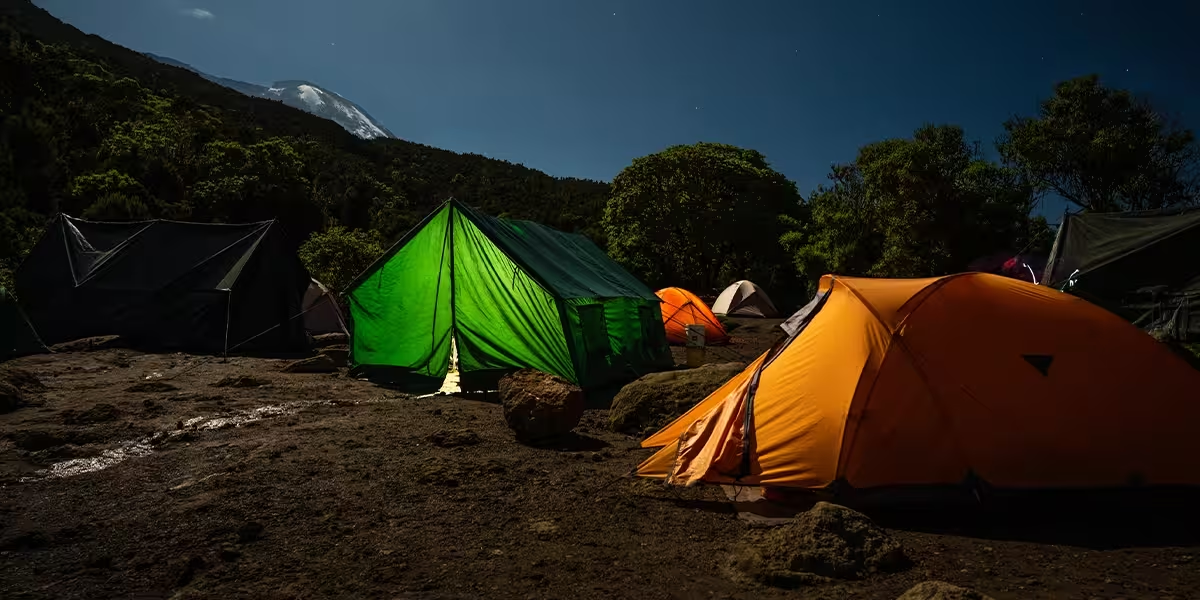
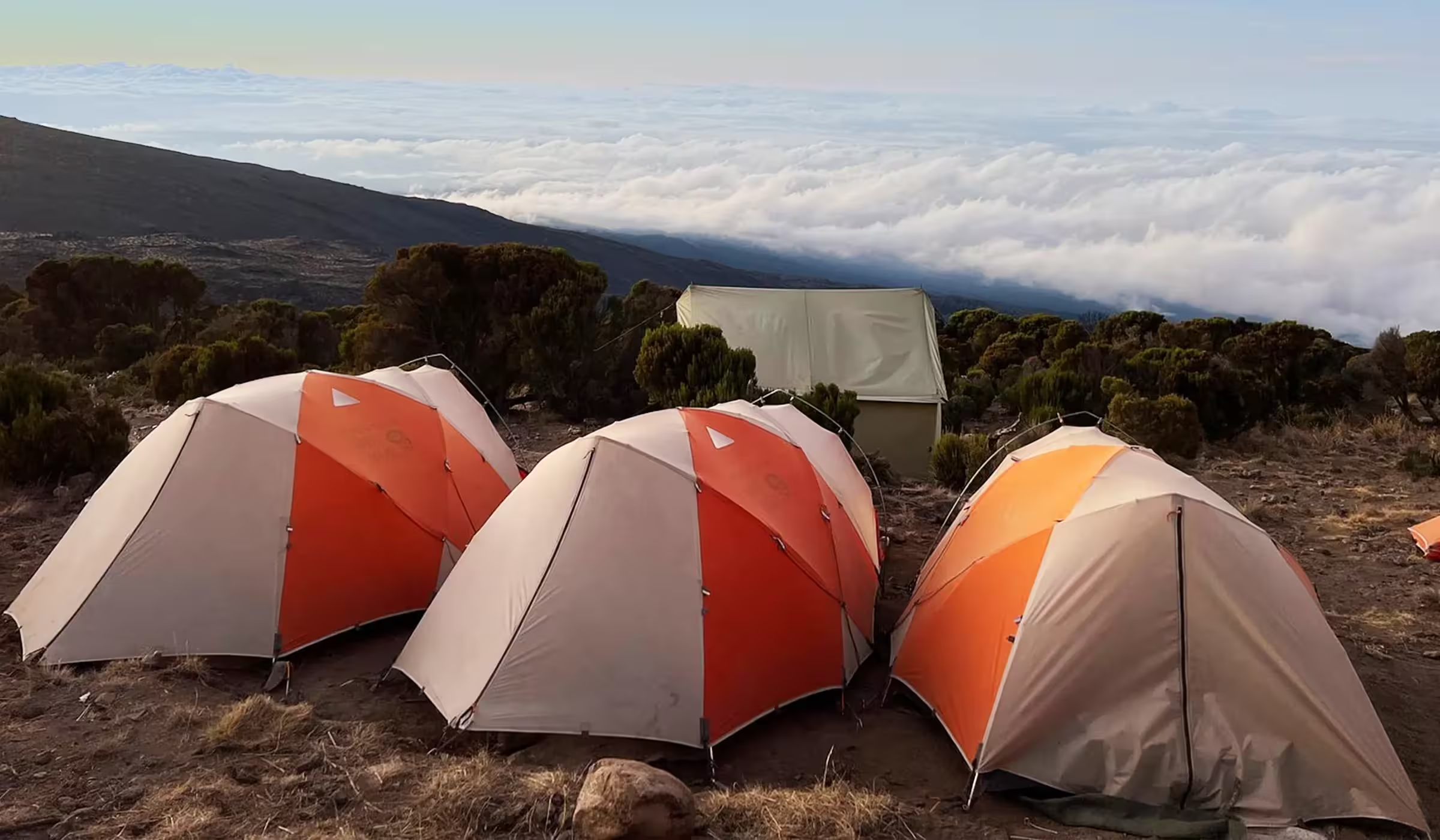
Overnight at Simba Camp Tents
Rongai Gate → Simba Camp
— Kilimanjaro, Northern Zone
II
Day 02 · Kilimanjaro, Northern Zone

Simba Camp → Second Cave Camp

Activity Trek
Meals Breakfast/ Lunch/ Dinner
Detail Distance & Hours: 6 km, 3–4 hours

The trail continues with a steady ascent through heather and moorland, offering increasingly wide views of the surrounding landscapes. The terrain is open and less forested, giving you a sense of isolation and tranquility. The climb is not too demanding, allowing for proper acclimatization while enjoying the peaceful environment. Second Cave Camp provides a scenic resting point with views back toward the plains below.

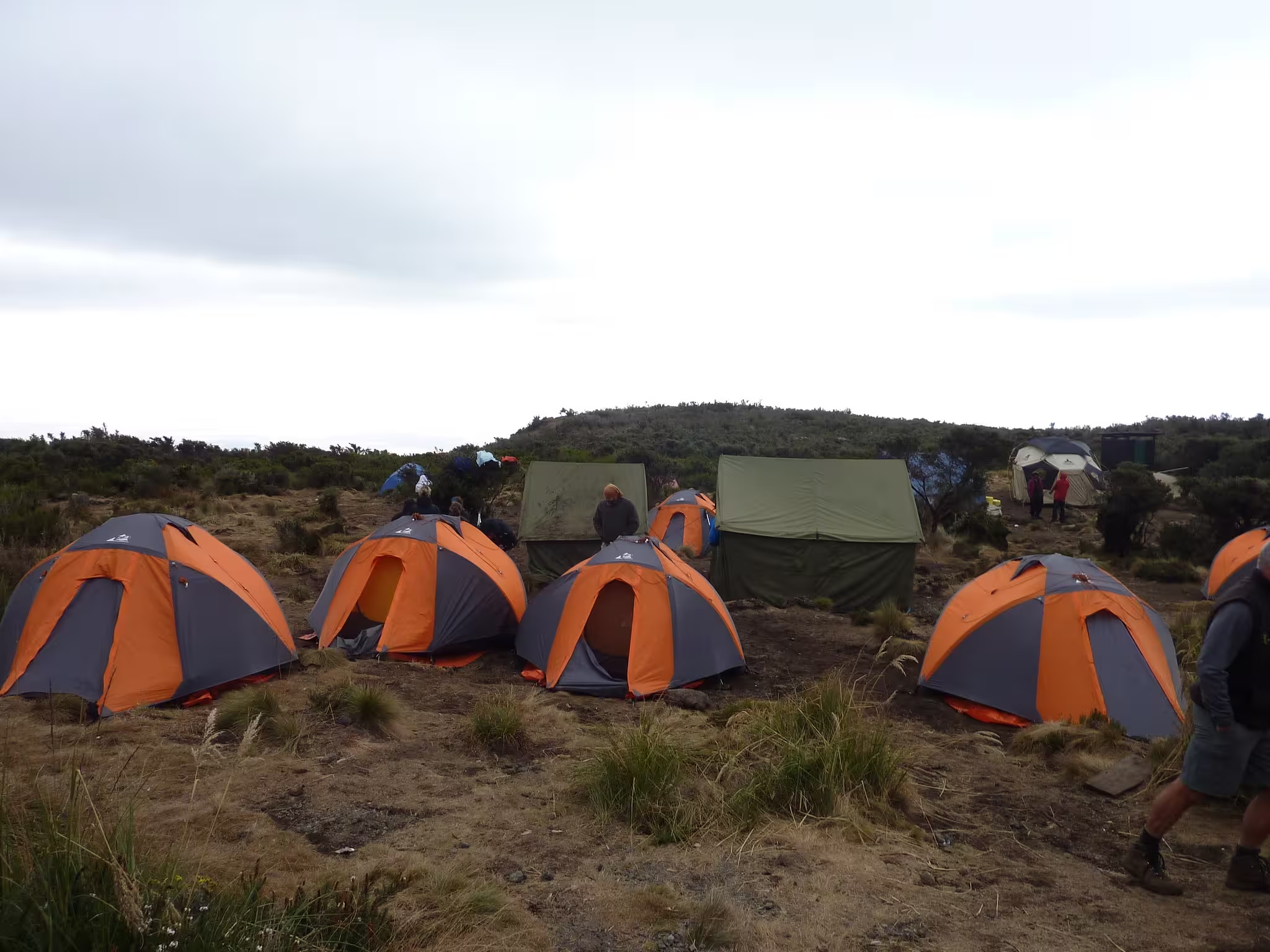
Overnight at Second Cave Camp Tents
Simba Camp → Second Cave Camp
— Kilimanjaro, Northern Zone
III
Day 03 · Kilimanjaro, Northern Zone

Second Cave → Kikelewa Camp

Activity Trek
Meals Breakfast/ Lunch/ Dinner
Detail Distance & Hours: 9 km, 5–6 hours

Today’s trek becomes steeper as you move toward higher altitude, with changing vegetation and more rugged terrain. The trail offers impressive views of Mawenzi Peak, one of Kilimanjaro’s most dramatic features. The climb is steady but manageable, and by the time you reach Kikelewa Camp, you are surrounded by unique high-altitude vegetation and striking scenery that highlights the mountain’s beauty.

Overnight at Kikelewa Camp Tents
Second Cave → Kikelewa Camp
— Kilimanjaro, Northern Zone
IV
Day 04 · Kilimanjaro, Northern Zone

Kikelewa Camp → Mawenzi Tarn Camp

Activity Trek
Meals Breakfast/ Lunch/ Dinner
Detail Distance & Hours: 6 km, 3–4 hours

This is one of the most beautiful days on the Rongai Route as you ascend toward Mawenzi Tarn, located beneath the towering Mawenzi Peak. The landscape becomes more dramatic and rugged, with alpine vegetation and rocky terrain dominating the environment. The shorter trekking distance allows for better acclimatization, giving you time to rest and enjoy the incredible surroundings at camp.

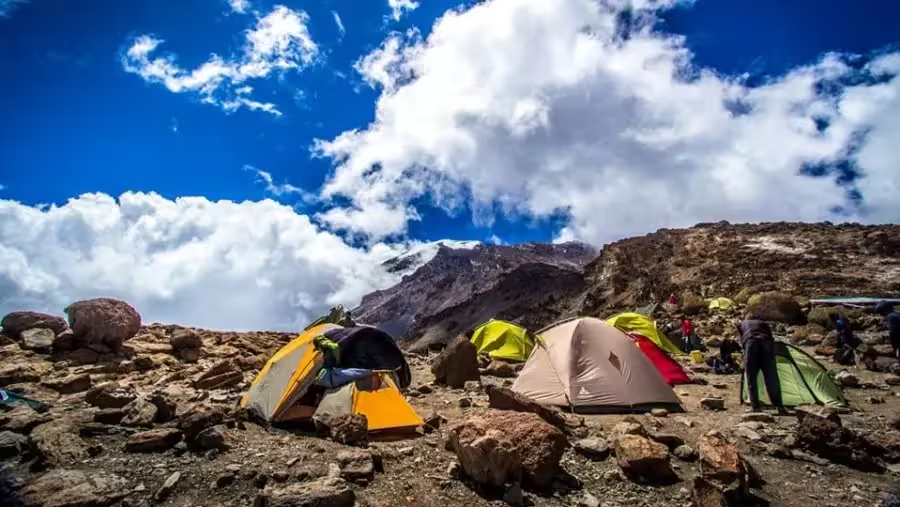
Overnight at Mawenzi Tarn Camp Tents
Kikelewa Camp → Mawenzi Tarn Camp
— Kilimanjaro, Northern Zone
V
Day 05 · Kilimanjaro, Northern Zone

Mawenzi Tarn → Kibo Hut

Activity Trek
Meals Breakfast/ Lunch/ Dinner
Detail Distance & Hours: 9 km, 5–6 hours

The trail crosses the vast saddle between Mawenzi and Kibo Peaks, an exposed and striking landscape with little vegetation. The terrain is dry and barren, emphasizing the high-altitude conditions. This is a preparation day, allowing you to conserve energy while moving steadily toward Kibo Hut, where you rest before the summit attempt.

Overnight at Kibo Camp Tents
Mawenzi Tarn → Kibo Hut
— Kilimanjaro, Northern Zone
VI
Day 06 · Kilimanjaro, Northern Zone

Kibo Hut → Uhuru Peak → Horombo Camp

Activity Trek
Meals Breakfast / Lunch / Dinner
Detail Altitude Start: 4,700 m → Summit: 5,895 m → End: 3,720 m

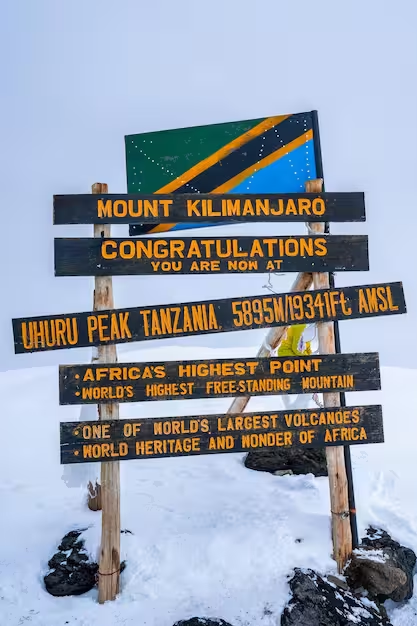
Summit day begins at midnight with a challenging ascent under the stars. The climb is gradual but demanding, requiring determination and endurance. Reaching Uhuru Peak at sunrise is an unforgettable achievement, offering breathtaking views above the clouds. After celebrating, you descend carefully to Horombo Camp for rest.

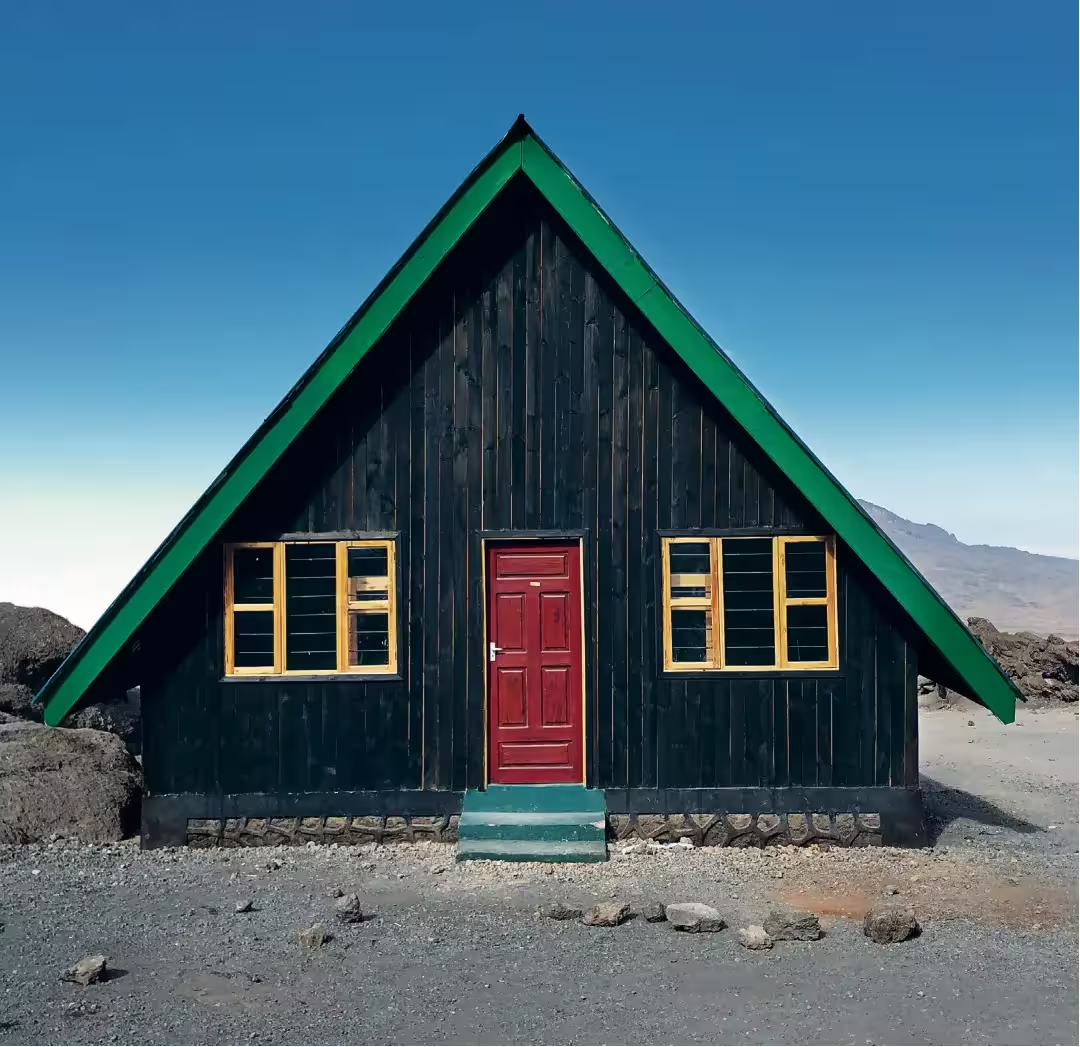
Overnight at Horombo Camp Tents
Kibo Hut → Uhuru Peak → Horombo Camp
— Kilimanjaro, Northern Zone
VII
Day 07 · Kilimanjaro, Northern Zone

Horombo Camp → Marangu Gate

Activity Safari
Meals Breakfast/ Lunch/ Dinner
Detail Altitude Start: 3,720 m → End: 1,870 m

The final day is a long descent through moorland and rainforest, where the air becomes richer and warmer. As you approach the gate, the sense of achievement grows stronger, marking the successful completion of your Kilimanjaro adventure.

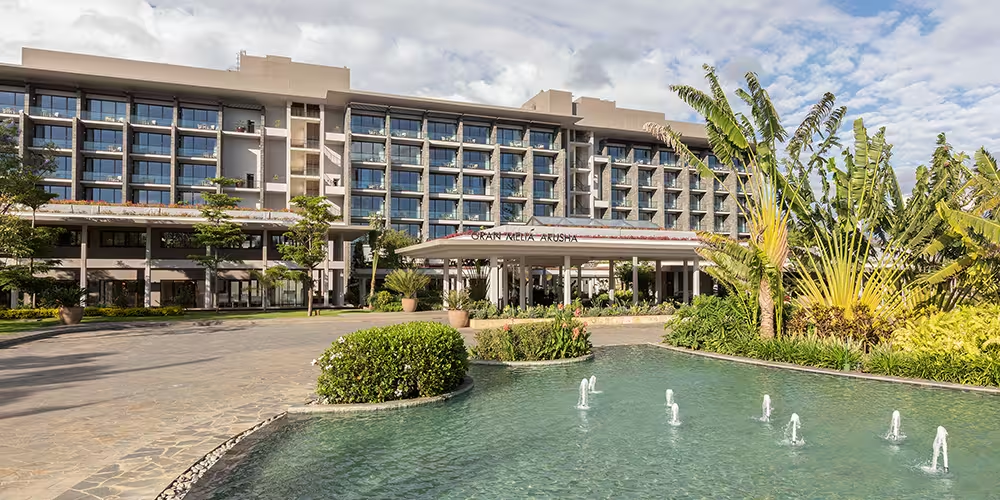
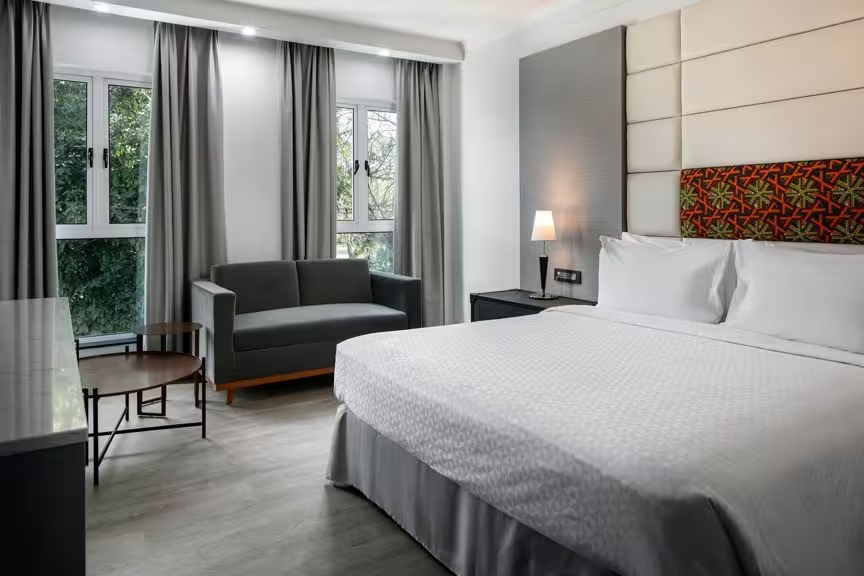
Overnight at Gran Meliá Arusha
Horombo Camp → Marangu Gate
— Kilimanjaro, Northern Zone
— Section IV

Where you'll
sleep.

Simba Camp Tents ↗ 3 photos
— Lodge 01

Simba Camp Tents

Mount Kilimanjaro
Second Cave Camp Tents ↗ 3 photos
— Lodge 02

Second Cave Camp Tents

Mount Kilimanjaro
Kikelewa Camp Tents ↗ 3 photos
— Lodge 03

Kikelewa Camp Tents

Mount Kilimanjaro
Mawenzi Tarn Camp Tents ↗ 3 photos
— Lodge 04

Mawenzi Tarn Camp Tents

Mount Kilimanjaro
Kibo Camp Tents ↗ 3 photos
— Lodge 05

Kibo Camp Tents

Mount Kilimanjaro,
Horombo Camp Tents ↗ 3 photos
— Lodge 06

Horombo Camp Tents

Mount Kilimanjaro,
Gran Meliá Arusha ↗ 3 photos
— Lodge 07

Gran Meliá Arusha

Arusha, Tanzania
Four Points by Sheraton Arusha ↗ 3 photos
— Lodge 08

Four Points by Sheraton Arusha

Arusha, Tanzania
Planet Lodge Arusha ↗ 3 photos
— Lodge 09

Planet Lodge Arusha

Arusha, Tanzania
Pricing

Group Pricing by Season

Select your travel season, group size, and accommodation level. All prices are per person.

When do you want to travel?
Accommodation
Mid Season — Apr – Jun
Mid Season · Comfort
Excellent wildlife, great conditions. Mid-range lodges and camps.
$ 2,850 per person
Group total: $5,700 for 2 people
* Prices quoted for 2 people. Solo and group rates adjust automatically below.
How many people in your group?
Children 5–15 50% off park fees & lodging
0
Children 0–4 Free (sharing parent's room)
0
2 adults
All seasons at this level
Low Season
Jan – Mar, Nov
$2,423
Mid Season
Apr – Jun
$2,850
High Season
Jul – Oct
$3,848
Season Calendar
Low Season Jan – Mar, Nov Green & lush, fewer visitors — best value.
Mid Season Apr – Jun Excellent wildlife, great conditions.
High Season Jul – Oct Peak conditions — highest demand.
All prices are per person in USD based on 2 people sharing accommodation. Solo travellers incur a single supplement. Group discounts apply for 3+ people. Prices exclude international flights and visa fees.
— Section VI

In every
detail.

— Included

What's in the price.
  • 01All Kilimanjaro National Park fees, including entry fees, camping or hut fees, rescue fees, and conservation charges required by the Tanzania National Parks Authority.
  • 02Services of professional, experienced, English-speaking mountain guides, assistant guides, porters, and a dedicated cook, all trained in high-altitude safety and client care.
  • 03All accommodation on the mountain, including quality tents for camping routes or hut accommodation where applicable.
  • 04Complete camping equipment, including mountain tents, sleeping mats, dining tent, tables, and chairs.
  • 05Nutritious meals throughout the trek, including breakfast, lunch, dinner, and snacks, prepared fresh to support energy at high altitude.
  • 06Safe drinking water, treated and filtered daily to ensure proper hydration.
  • 07Emergency rescue support, including rescue fees, oxygen cylinders, pulse oximeter monitoring, and first aid kits carried by guides.
  • 08All transfers, including transport from your hotel in Arusha or Moshi to the starting gate and return after the climb.
  • 09Summit certificates issued upon successful completion of the climb.
  • 10All crew wages, food, and ethical treatment, in compliance with Kilimanjaro porter welfare standards.
  • 11Pre-climb briefing and gear check, ensuring you are fully prepared before starting the trek.

— Not included

Please budget separately.
  • 01International and domestic flights to and from Tanzania.
  • 02Visa fees for Tanzania, which must be arranged by the traveler.
  • 03Comprehensive travel insurance, mandatory for high-altitude trekking and covering medical emergencies, evacuation, and trip cancellation.
  • 04Personal trekking gear, including clothing, boots, sleeping bags (unless included in premium packages), and personal equipment.
  • 05Tips and gratuities for guides, porters, and cook, which are customary and expected.
  • 06Accommodation before and after the climb, unless specifically included in your package.
  • 07Personal expenses, including laundry, communication, souvenirs, and additional purchases.
  • 08Alcoholic beverages and soft drinks, unless pre-arranged.
  • 09Optional private toilet tent and other comfort upgrades.
  • 10Any additional services not specifically mentioned in the inclusions list.
When you're ready

Shall we
begin?

To confirm your dates and secure preferred lodging, please reach out. We are happy to discuss any aspect of this proposal — small adjustments cost nothing.

— By Telephone
+255 688 848 500
— By Email
info@ngomiadventures.com
— Online
ngomiadventures.com
Thank you.
— Ngomi Adventures
Share This Adventure
7-Day Rongai Route – Mount Kilimanjaro
7 Days $3,000
Safari Itinerary

7-Day Rongai Route – Mount Kilimanjaro

7 Days From $3,000 USD pp

WhatsApp — message pre-filled
Copy full template to clipboard Copied
— Customise 7-Day Rongai Route – Mount Kilimanjaro

Make it yours.

Tell us your preferences — we'll carry everything across to the booking form so we get the full picture.

Your Trip
Accommodation Style
Activities
Lodge Preferences
Itinerary Changes
Your Details
✓
Request sent!
Thank you! Our team will review your preferences and send you a personalised proposal within 24–48 hours.
Frequently Asked Questions

Things you might be wondering

If you don’t find your answer below, message us via the chat or use the “Book this trip” button — we usually reply within a few hours.

What is included in the price of my safari?
Your safari price typically includes park fees, professional driver-guide, 4x4 safari vehicle with pop-up roof, accommodation on the tier you select (budget camping, mid-range lodges, or luxury lodges), all meals during the safari, drinking water in the vehicle, and airport transfers. Exact inclusions are listed in the cost overview of this itinerary.
What is NOT included?
Generally excluded: international flights to/from Tanzania, visa fees, travel insurance, tips for the driver-guide and lodge staff, alcoholic and soft drinks, personal expenses (laundry, souvenirs), optional activities such as hot air balloon flights or night drives, and any meals taken in Arusha town outside the safari.
Do I need a visa to enter Tanzania?
Most visitors need a visa. Citizens of the US, UK, EU, Canada, Australia and many other countries can obtain a Tanzania tourist visa on arrival or online via the official e-visa portal (eservices.immigration.go.tz). The single-entry tourist visa costs US$50 (US$100 for US passport holders). Bring a passport valid for at least 6 months beyond your travel date with at least 2 blank pages.
What vaccinations and health precautions do I need?
A Yellow Fever certificate is required if you arrive from a Yellow Fever endemic country (including most of sub-Saharan Africa). Most travellers also take anti-malaria medication — consult your doctor 4–6 weeks before travel. Recommended (not required) vaccines include Hepatitis A & B, Typhoid, and routine boosters. Bring insect repellent containing DEET, sunscreen, and a basic first-aid kit.
When is the best time to go on safari?
Tanzania is a year-round destination. The dry seasons (June–October and January–February) offer the best game viewing because animals gather around water sources and vegetation is sparse. The Great Migration river crossings in the northern Serengeti typically peak July–September. The "green season" (March–May, November) brings lush landscapes, fewer tourists, lower prices, and excellent birdwatching.
What should I pack for a Tanzania safari?
Pack light, neutral-coloured clothing (khaki, olive, beige — avoid bright colours and dark blue/black which attract tsetse flies). Layers are essential: cool early-morning game drives and warm midday sun. Bring a warm fleece for Ngorongoro Crater, a hat, sunglasses, comfortable walking shoes, binoculars, a good camera with extra batteries, and a soft duffel bag (hard suitcases don't fit well in safari vehicles). The total luggage limit on small bush flights is usually 15kg.
Is Tanzania safe for tourists?
Tanzania is one of the safest safari destinations in Africa, with a stable government and a tourism-dependent economy that prioritises visitor safety. Petty theft can occur in Arusha and Dar es Salaam — use hotel safes and avoid displaying valuables. Inside parks and lodges you are completely safe. Your driver-guide is professionally trained in wildlife behaviour and emergency procedures.
Can children come on safari?
Yes — Tanzania safaris are wonderful for families. Most lodges welcome children from age 6+; some luxury lodges require minimum age 8 or 12. Children pay reduced rates (often 50–75% of adult price). Game drives are long, so factor in attention spans. We can adjust the itinerary with shorter drives, child-friendly lodges with pools, and cultural activities to balance the wildlife focus.
How do I pay and what is the deposit?
A 30% non-refundable deposit is required to confirm your booking. The balance is due 60 days before arrival. We accept bank transfer (SWIFT), credit card (3% surcharge applies), and PayPal. All prices are quoted in US Dollars. A receipt and confirmation voucher are issued immediately on deposit.
What is your cancellation policy?
Cancellations more than 60 days before arrival: 30% deposit retained. 30–60 days: 50% of total trip cost. Less than 30 days: 100% of total trip cost. We strongly recommend travel insurance covering trip cancellation, medical emergencies, and emergency evacuation. We can recommend insurance providers if needed.
Will I have phone signal and internet?
Most lodges in the northern circuit (Tarangire, Manyara, Ngorongoro, Serengeti) have Wi-Fi in the main areas — often slow but enough for messages and emails. Mobile signal (Vodacom, Airtel) covers much of Tarangire and Lake Manyara, parts of central Serengeti, and Ngorongoro rim. Deep in the Serengeti you may have limited or no signal — embrace the digital detox.
How much should I tip my guide?
Tipping is appreciated but not mandatory. Industry guidelines: US$20–30 per day for your driver-guide (from the whole group, not per person), US$10–15 per day for camp/lodge staff (placed in the communal tip box), US$5–10 for porters at airports. Tips are best in US dollars in clean, undamaged notes.
Loading itinerary…
Saved Trips