

A place where time slows down, the ocean breeze carries the scent of cloves, and the dust of the savannah washes away.
After the early morning wake-up calls, the bumpy, dusty roads, and the intense, adrenaline-fueled wildlife encounters of a Tanzanian mainland safari, there is no greater feeling than washing the dust away in the warm, turquoise waters of the Indian Ocean. The Zanzibar Archipelago, lying just a short, scenic flight off the coast of mainland Tanzania, provides the ultimate 'bush and beach' finale to any African adventure. However, to view these islands merely as a place to relax on a sun lounger is to do them a massive disservice. Zanzibar, and its quieter southern neighbor, Mafia Island, are complex, historically rich, and ecologically fascinating destinations in their own right, offering a vibrant mix of Swahili culture, ancient trading history, and world-class marine environments.
The phrase "Spice Islands" immediately conjures images of exotic romance, and Zanzibar absolutely delivers on this promise. From the labyrinthine alleys of its ancient capital to the powdery, blindingly white sands of its palm-fringed coastlines, the archipelago is a sensory overload. The air is heavy with the scent of cloves, vanilla, and the salty ocean breeze. Whether you are seeking a luxurious, all-inclusive honeymoon retreat, a deep dive into East African history, or some of the best scuba diving on the African continent, the coastal islands of Tanzania offer an unforgettable paradise.
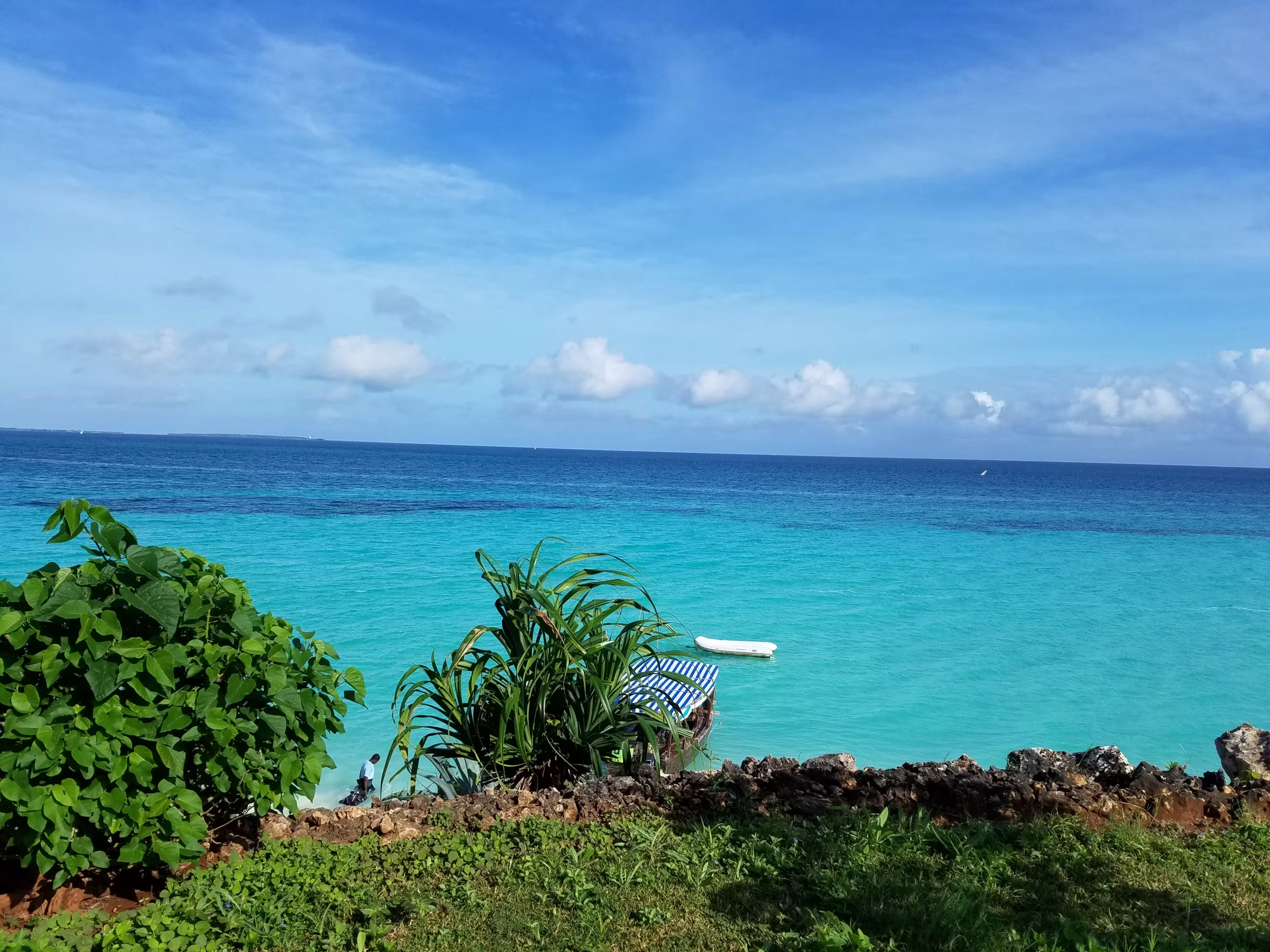
The complete guide to Zanzibar Beach Holidays.
 I.
I.
Stone Town: The Historic Heart of Zanzibar
Stone Town: The Historic Heart of Zanzibar
No visit to Zanzibar is complete without spending time in Stone Town, the cultural and historical heart of the main island (Unguja). Designated as a UNESCO World Heritage site, Stone Town is a mesmerizing maze of narrow, winding alleys, bustling bazaars, and grand Arabian-style townhouses boasting intricately carved, brass-studded wooden doors.
For centuries, Zanzibar was a crucial hub on the ancient Indian Ocean trade routes. It was the center of the global spice trade and, tragically, a major focal point for the East African slave trade. The architecture reflects this turbulent and diverse history, featuring a unique blend of Swahili, Omani Arab, Persian, Indian, and European colonial influences.
Wandering through Stone Town is like stepping back in time. You can visit the haunting site of the old slave market, explore the grand House of Wonders (Beit-al-Ajaib) built by the Omani Sultan, and view the Old Fort. As evening falls, the Forodhani Gardens along the seafront transform into a vibrant night market. Here, the air fills with the smoke of hundreds of grills cooking fresh seafood, Zanzibar pizzas, and sugarcane juice, offering a chaotic, delicious, and incredibly authentic taste of island life.
 II.
II.
The Beaches of Unguja (Zanzibar Island)
The Beaches of Unguja (Zanzibar Island)
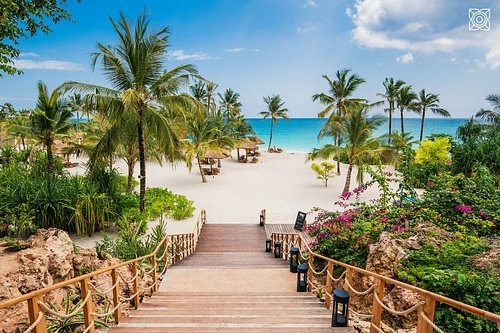
While Stone Town provides the culture, the coastlines of Unguja provide the quintessential tropical paradise. The island is entirely ringed by coral reefs and boasts some of the most beautiful beaches in the world, each coast offering a slightly different atmosphere.
The East Coast: This coast is defined by its massive, dramatic tidal shifts. At low tide, the water recedes for hundreds of meters, exposing a vast expanse of white sand and shallow rock pools where local women farm seaweed. The east coast (including areas like Matemwe, Bwejuu, and Jambiani) is generally quieter and highly favored by kite surfers due to the steady trade winds.
The North Coast (Nungwi and Kendwa): The northern tip of the island is less affected by the extreme tides, meaning swimming in the ocean is possible throughout the day. This area has the most beautiful, powdery white sand and stunning sunsets. Consequently, it is also the most developed and busiest part of the island, featuring a wide array of large resorts, beach bars, and vibrant nightlife.
A place where time slows down, the ocean breeze carries the scent of cloves, and the dust of the savannah washes away.
 III.
III.
Mafia Island: The Unspoiled Marine Paradise
Mafia Island: The Unspoiled Marine Paradise
For travelers seeking an experience entirely removed from the commercialized tourism of northern Zanzibar, Mafia Island is the ultimate escape. Located about 160 kilometers south of Unguja, Mafia is part of a separate, much quieter archipelago. It is not a destination for massive resorts or beach parties; it is a sleepy, rustic island dedicated to the preservation of its incredible marine environment.
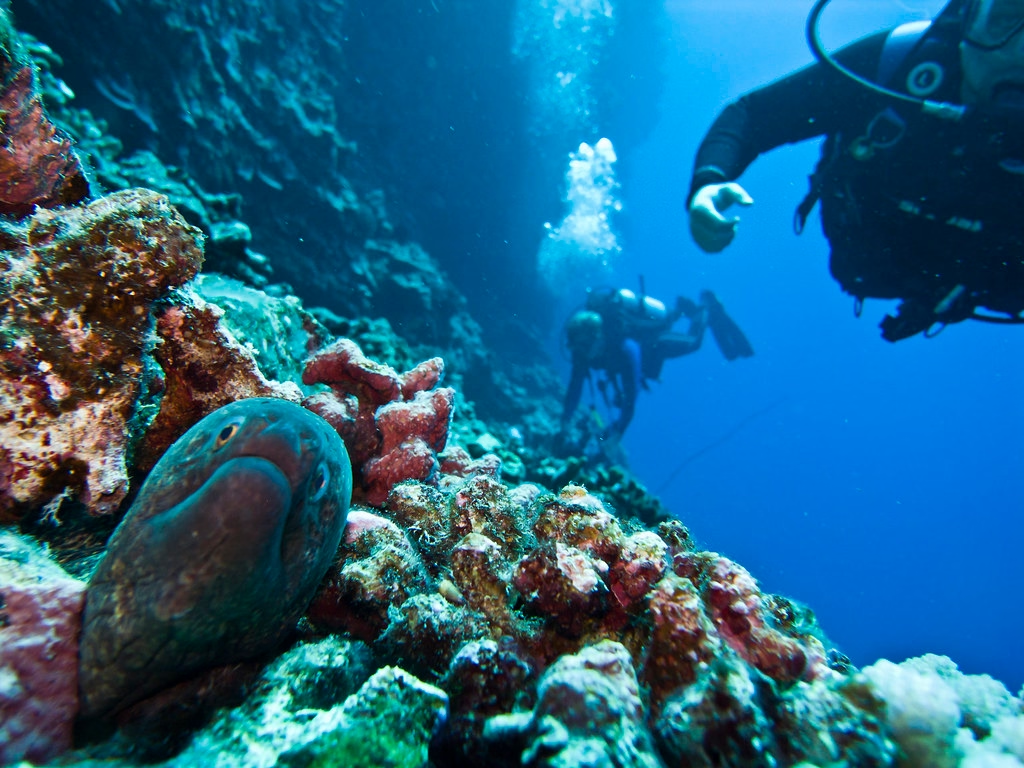
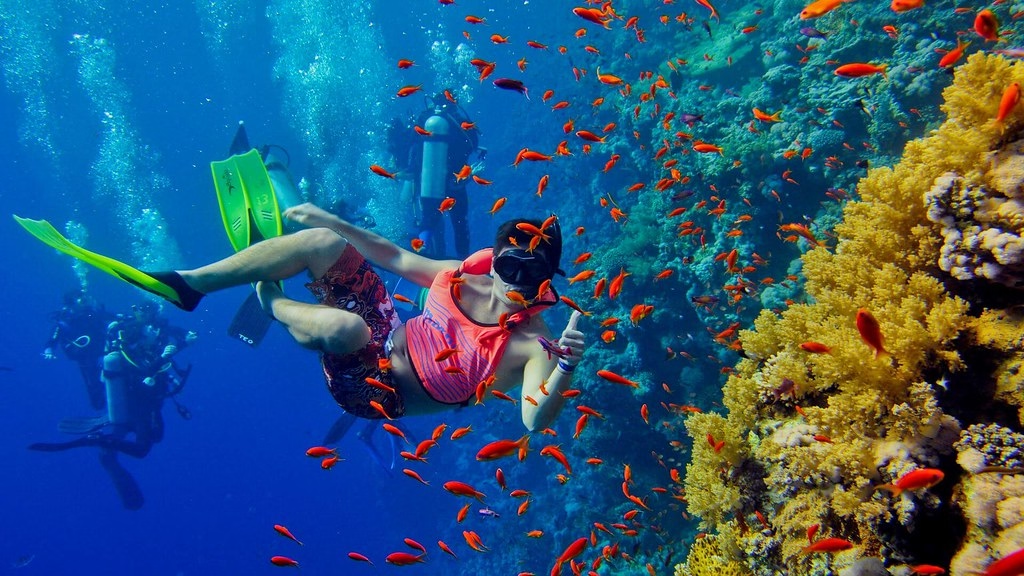
The defining feature of Mafia is the Mafia Island Marine Park, which protects the pristine coral reefs and mangrove forests surrounding the southern half of the island and Chole Bay. Because it is protected and sees only a fraction of the tourists that visit Zanzibar, the coral reefs here are exceptionally healthy and vibrant, offering arguably the best scuba diving and snorkeling in East Africa. The waters are teeming with colorful reef fish, turtles, stingrays, and massive groupers.
However, the most spectacular attraction on Mafia Island occurs between October and March: the arrival of the whale sharks. These gentle giants, the largest fish in the ocean, gather in the plankton-rich waters just off the western coast of the island (near Kilindoni). Snorkeling alongside a 10-meter-long, beautifully spotted whale shark as it glides gracefully through the water is a humbling and entirely safe wildlife encounter that rivals any terrestrial safari experience.

 IV.
IV.
Pemba Island: The Green Island
Pemba Island: The Green Island
If Mafia is the diving capital, Pemba Island—the large island lying north of Unguja—is the rugged, agricultural, and mystical heart of the archipelago. Pemba is hilly, incredibly lush, and heavily forested. It is the primary producer of the world’s cloves, and the scent often hangs in the air.
Pemba is far less developed than Unguja, with only a handful of luxury resorts and very little infrastructure. It is famous for two things: its incredibly deep offshore drop-offs that provide exhilarating drift diving for experienced scuba divers, and its reputation as the center of traditional Swahili medicine and witchcraft (voodoo). For the traveler who truly wants to drop off the grid and experience a lush, deeply traditional island culture, Pemba is a hidden gem.
 V.
V.
Planning Your Coastal Retreat
Planning Your Coastal Retreat
Integrating Zanzibar or Mafia Island into your Tanzanian itinerary is incredibly straightforward. Numerous daily flights (taking roughly 1 to 2 hours) connect the main safari hubs like Arusha, Kilimanjaro, and the airstrips in the Serengeti directly to the airports in Zanzibar (ZNZ) and Mafia (MFA).
When planning with Ngomi Adventures, we typically recommend a minimum of 4 to 5 nights on the coast to truly decompress after your safari. The choice between Zanzibar and Mafia depends entirely on your travel style. If you want a mix of vibrant culture, historical tours, high-end resort amenities, and beautiful beaches, Zanzibar is the perfect choice. If you are an avid scuba diver, wish to swim with whale sharks, and prefer a quiet, rustic, barefoot-luxury environment away from the crowds, Mafia Island is the superior option.
Regardless of which island you choose, the Tanzanian coast offers a flawless conclusion to your African journey. Watching a traditional wooden dhow sail silently across the horizon as the sun sets over the Indian Ocean is a memory that will stay with you forever, perfectly complementing the wild memories of the savanna.
The ways to experience Zanzibar Beach Holidays.
Begin your journey.
Tell us which journey feels closest and we will shape it around you — dates, pace, the kind of camps you sleep best in.