

Culturalconnections.
A respectful, authentic encounter with the traditional Maasai way of life in the Ngorongoro Highlands.
What makes Maasai Village Visit unforgettable.
 Step 1
The Philosophy of Ethical Cultural Tourism
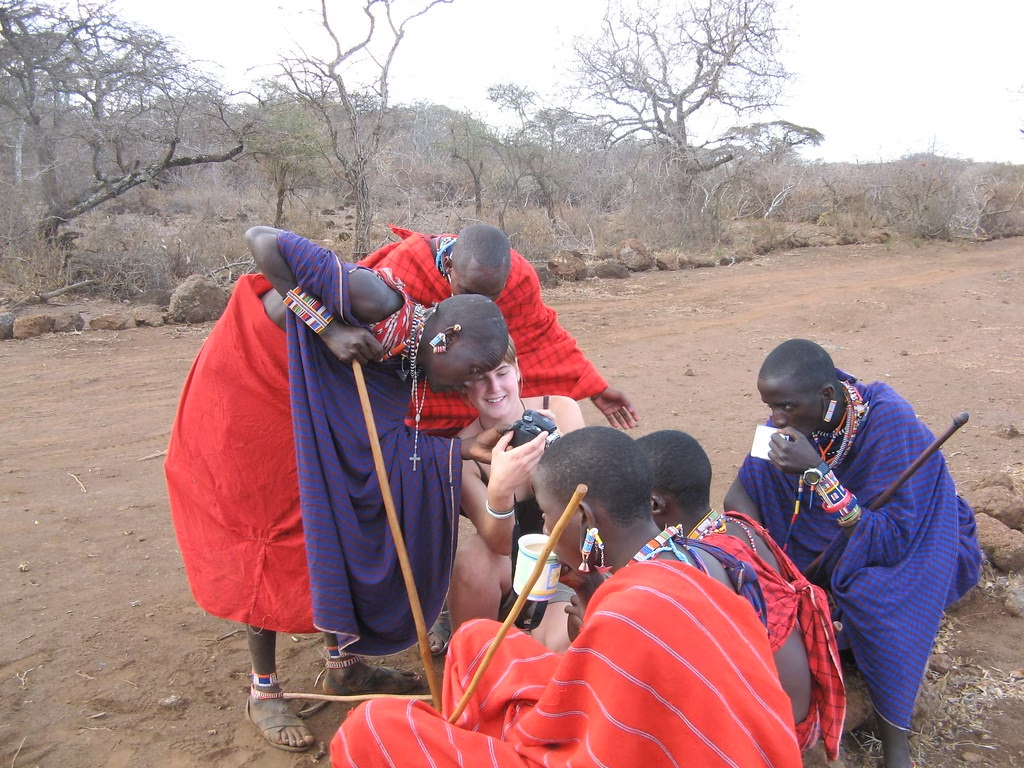
At Ngomi Adventures, we recognize that cultural tourism is a delicate endeavor. The line between a meaningful cultural exchange and an exploitative, "human zoo" experience can be uncomfortably thin. We are fiercely committed to ethical, respectful, and mutually beneficial cultural interactions.
We do not believe in staged performances or manufactured villages built solely for the entertainment of tourists. Instead, we partner directly with authentic, living communities. The visits we arrange are conducted on the terms dictated by the community leaders themselves. Crucially, we ensure that a significant portion of the fees generated from these cultural visits goes directly into community funds. This money is used for tangible, local benefits—such as building schools, digging boreholes for clean water, or supporting local medical dispensaries.
 Step 2
A Tapestry of Traditions: The Major Cultural Groups
While the Maasai are the most globally recognized face of Tanzanian culture, the country's demographic tapestry is vastly more complex. A comprehensive cultural itinerary can introduce you to several fascinating groups.
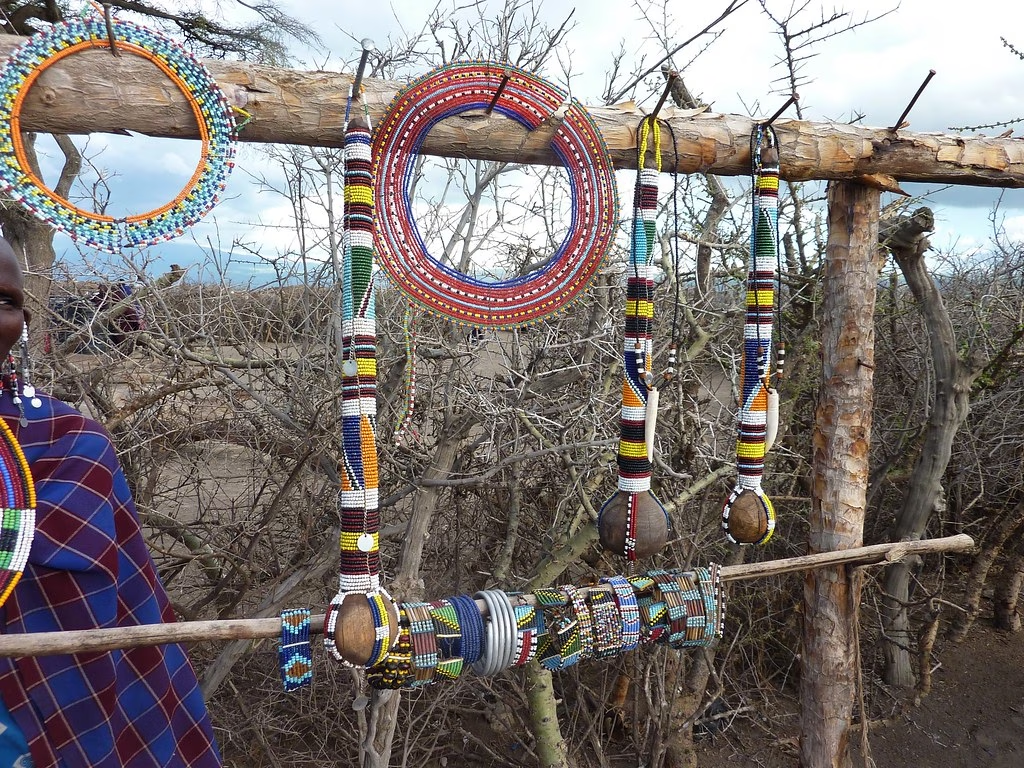
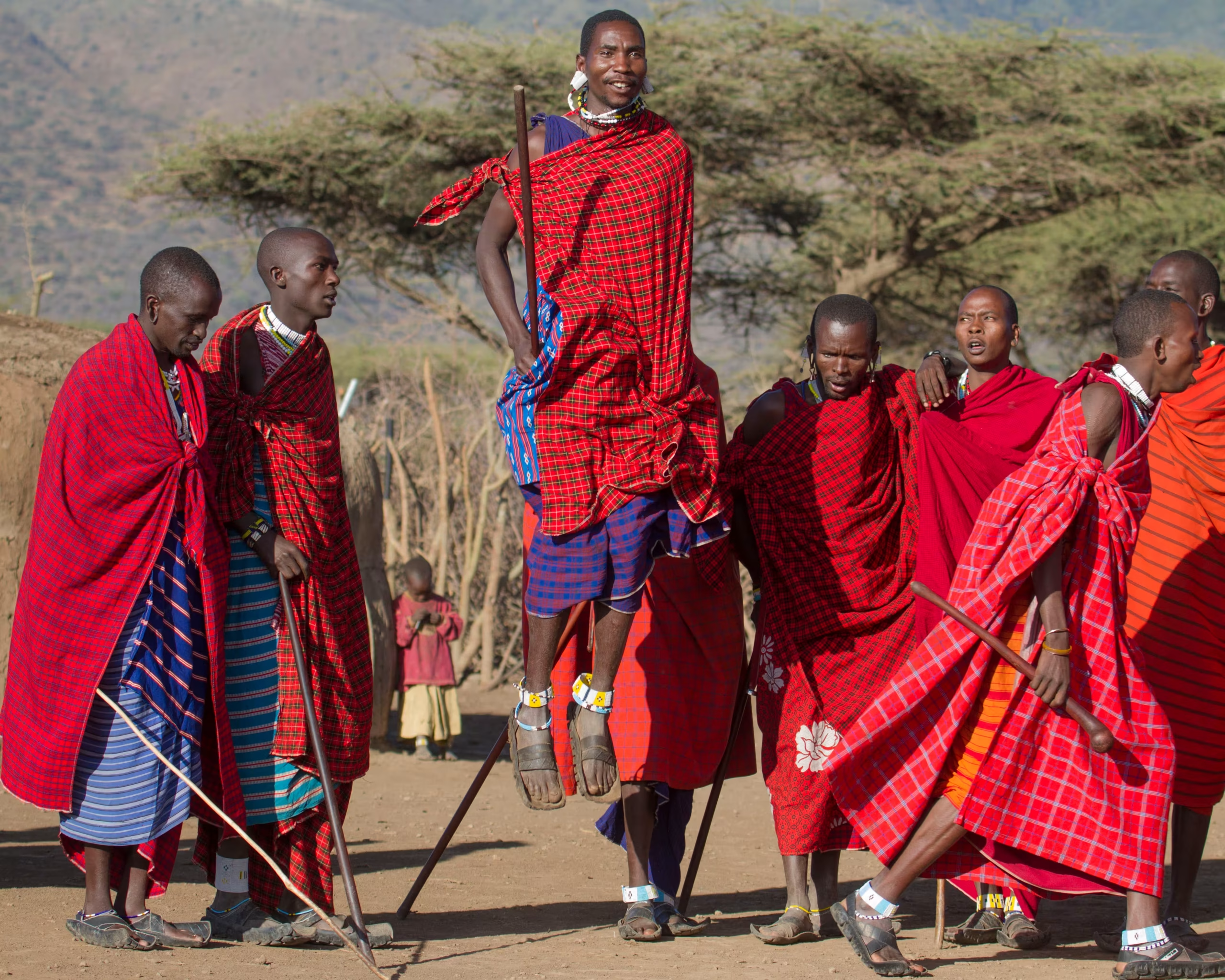
The Maasai: The iconic, semi-nomadic pastoralists of the Great Rift Valley. Instantly recognizable by their vibrant red shukas, intricate beadwork, and tall, elegant stature, the Maasai have successfully maintained their traditional lifestyle despite immense pressure. They measure their wealth in cattle and children, and their deep, spiritual connection to their herds dictates every aspect of their lives.
 Step 3
Immersive Experiences Beyond Observation
A true cultural tour is participatory. It is not about standing on the sidelines taking photographs; it is about engaging, learning, and sharing.
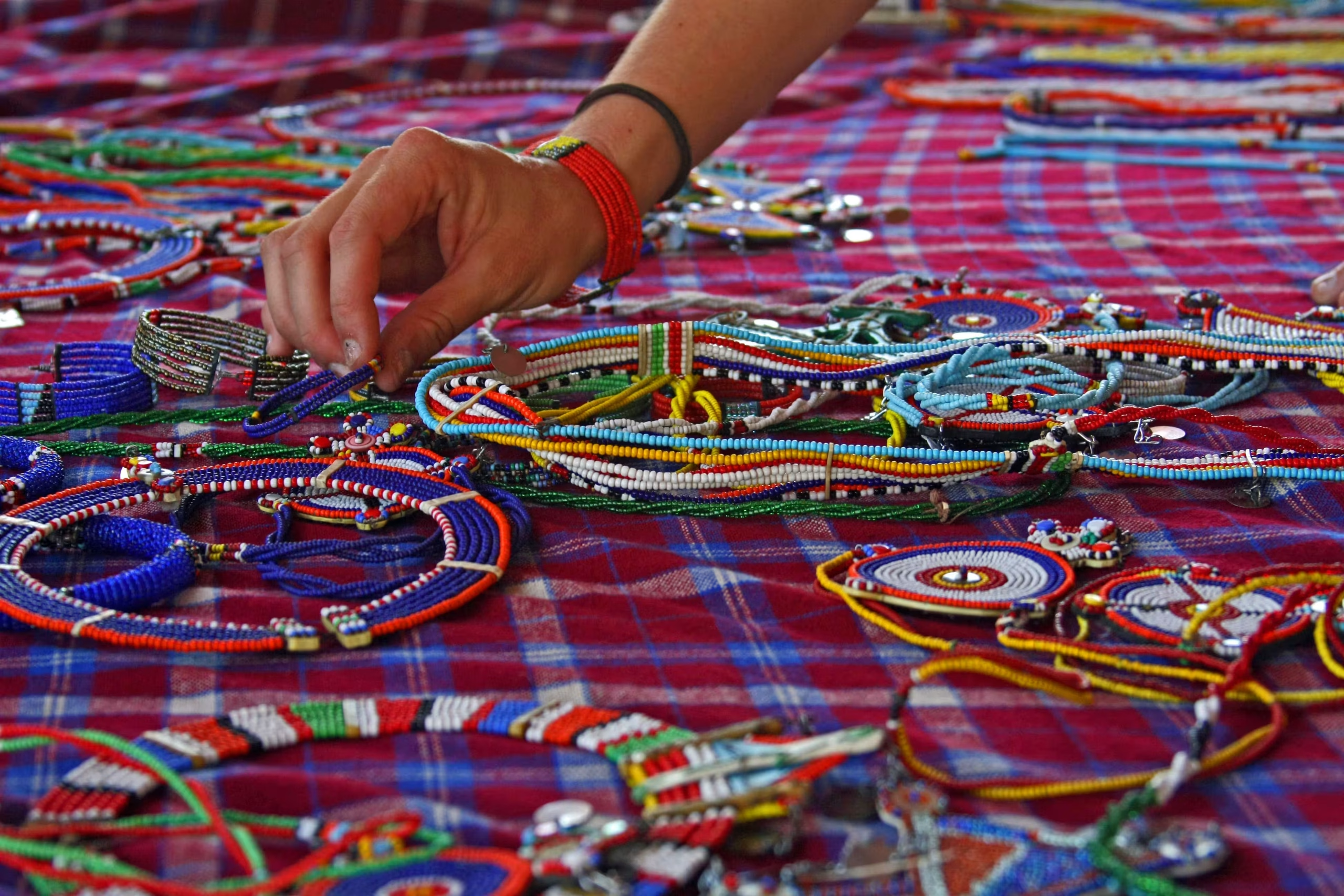
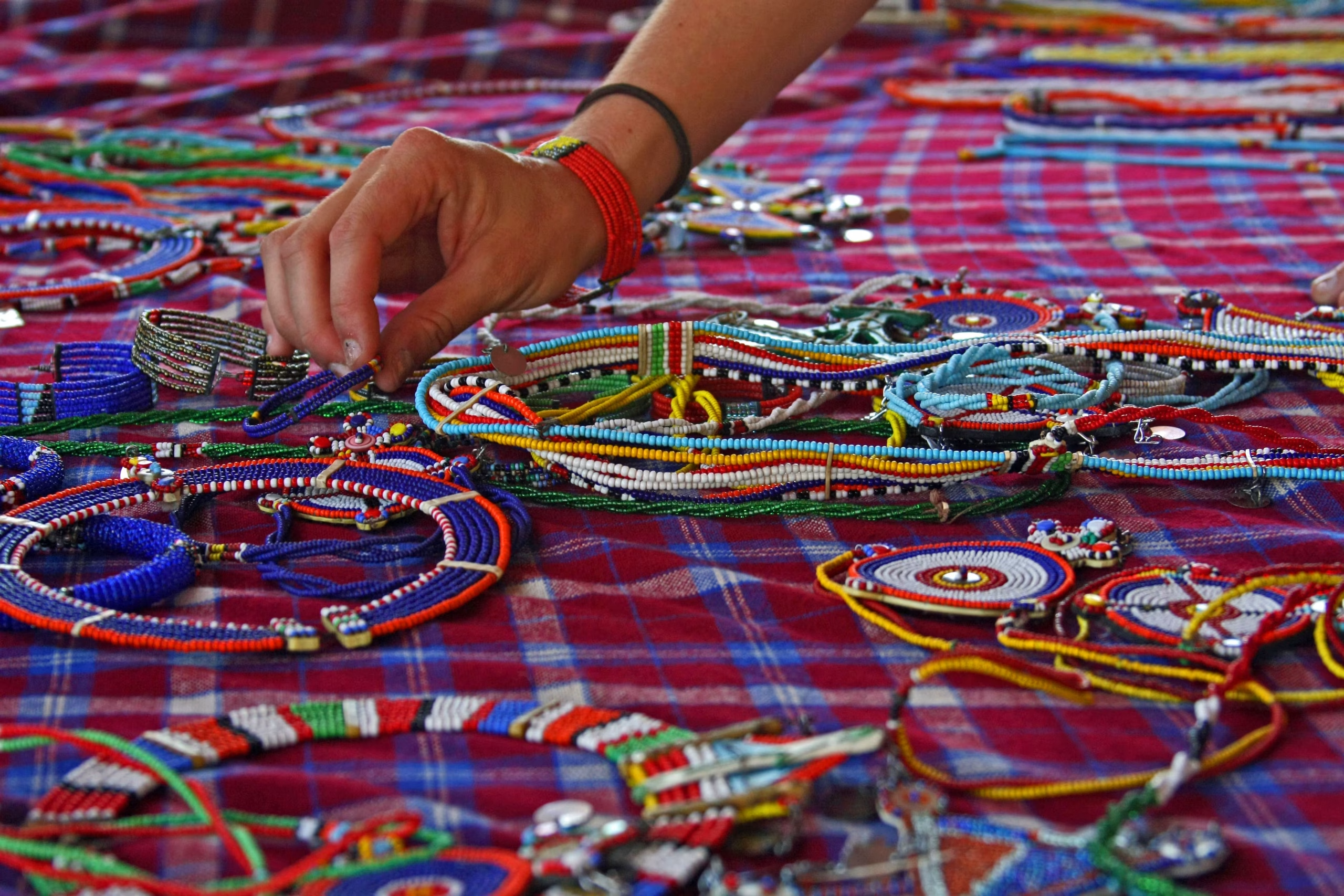
When visiting a Maasai boma, you will not simply watch a dance. You will be invited inside their traditional, mud-and-wattle homes (manyattas) to understand their daily living conditions. You may learn how the women create their stunning, symbolic beadwork, or listen to the elders explain the complex age-set system that governs their society.
 Step 4
Swahili Culture on the Coast
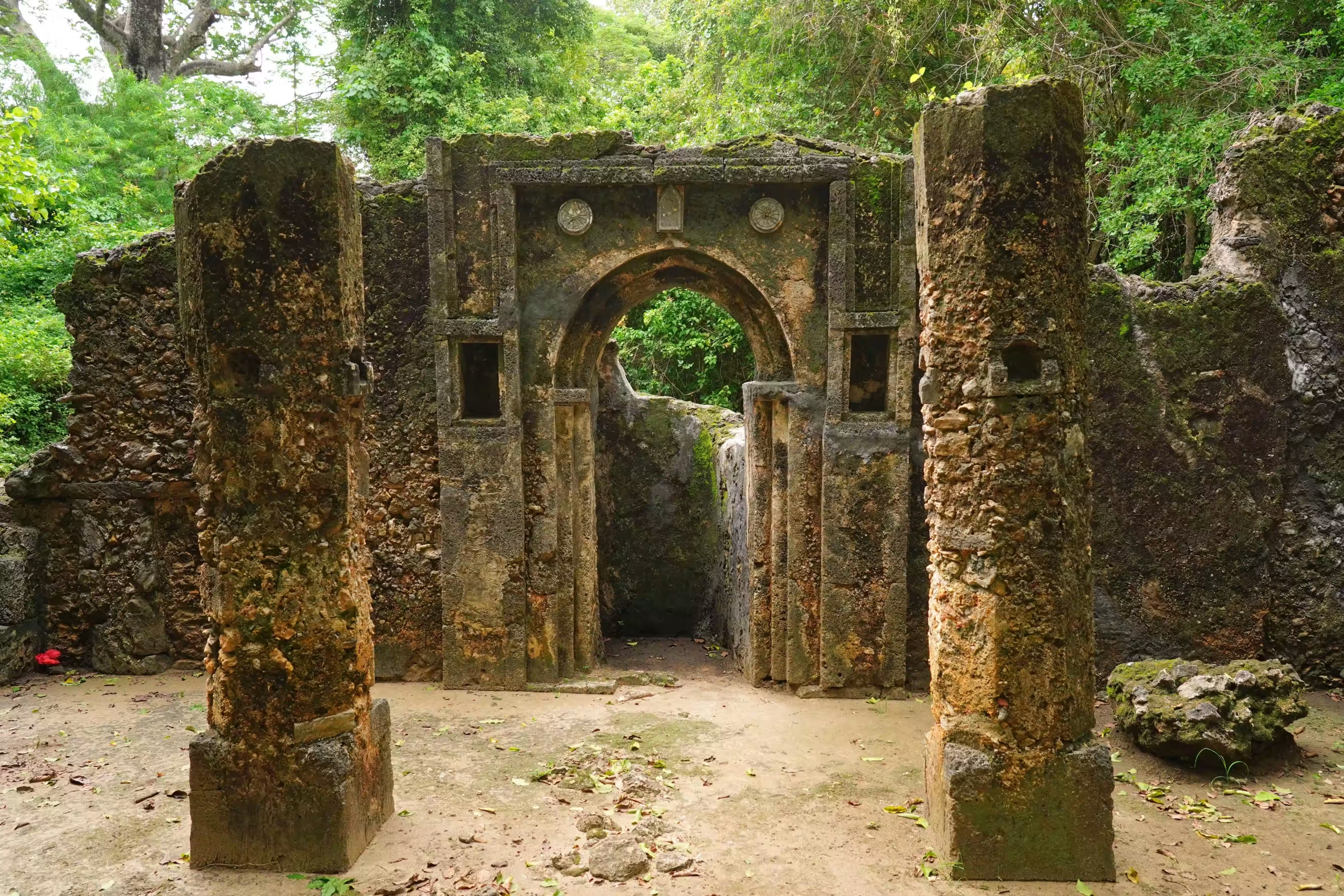
Cultural tourism in Tanzania is not limited to the tribal groups of the interior. The coastal region, particularly Zanzibar and the Swahili Coast, offers a completely different, deeply rich cultural experience.
Swahili culture is a complex, centuries-old fusion of indigenous African traditions and heavy influences from Omani Arab, Persian, and Indian traders who sailed the Indian Ocean monsoons. This blending is evident in everything from the architecture (the intricately carved wooden doors of Stone Town) to the religion (predominantly Islamic, but infused with local customs), and most notably, the cuisine.
 Step 5
Integrating Culture into Your Safari
The beauty of traveling in Tanzania is how seamlessly cultural experiences can be integrated into a standard wildlife itinerary. You do not have to choose between animals and people; you can have both.
For instance, while driving from Tarangire to the Ngorongoro Crater, it is incredibly easy to incorporate a half-day stop at a Maasai village. If you have an extra day in the Karatu area, an early morning departure to Lake Eyasi to hunt with the Hadzabe provides a spectacular contrast to the vehicle-based game drives.
A vibrant, welcoming culture that remains deeply rooted in the traditions of the African savannah.
The ways to experience Maasai Village Visit.
Begin your journey.
Tell us which journey feels closest and we will shape it around you — dates, pace, the kind of camps you sleep best in.