

A journey through the raw, geological power of the Great Rift Valley, guided by the very people who call it home.
When travelers consider the Ngorongoro Conservation Area, their minds immediately jump to the famous, wildlife-packed floor of the main Ngorongoro Crater. However, the Conservation Area is vastly larger than a single caldera, encompassing an immense, rugged volcanic highland region known as the Crater Highlands. For those willing to venture off the main safari circuit, the northern reaches of these highlands offer some of the most spectacular, dramatic, and physically engaging trekking experiences in all of East Africa. At the heart of this wild, high-altitude frontier lie two extraordinary geological phenomena: the deep, forested bowl of the Empakaai Crater and the stark, active volcanic cone of Ol Doinyo Lengai.
A journey to Empakaai and Ol Doinyo Lengai is not a traditional vehicle-based safari. It is an expedition. It requires sturdy hiking boots, a sense of adventure, and a desire to experience the African landscape on foot, far removed from the dust and engine noise of the Land Cruisers. This region is characterized by steep, mist-shrouded escarpments, dense montane forests, and vast, rolling highland plateaus where traditional Maasai pastoralists still graze their cattle in much the same way their ancestors did centuries ago. Exploring this area offers a profound connection to the raw, tectonic power that shaped the Great Rift Valley.
The complete guide to Empakaai & Lengai Trek.
 I.
The Emerald Jewel: Empakaai Crater
The Emerald Jewel: Empakaai Crater
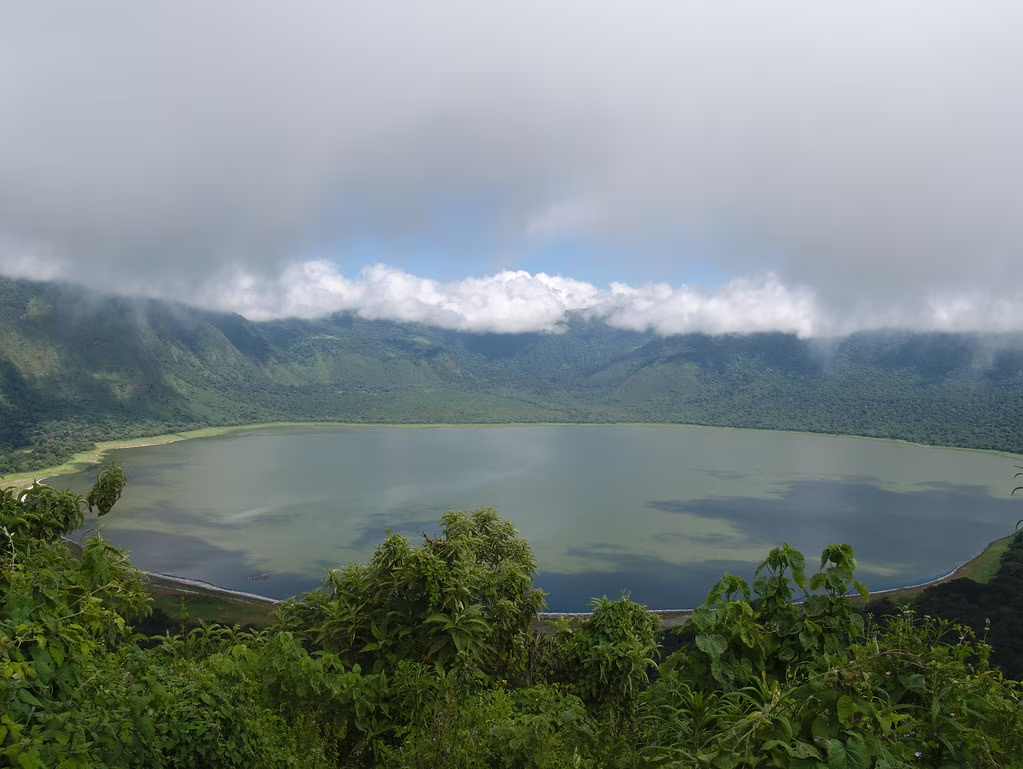
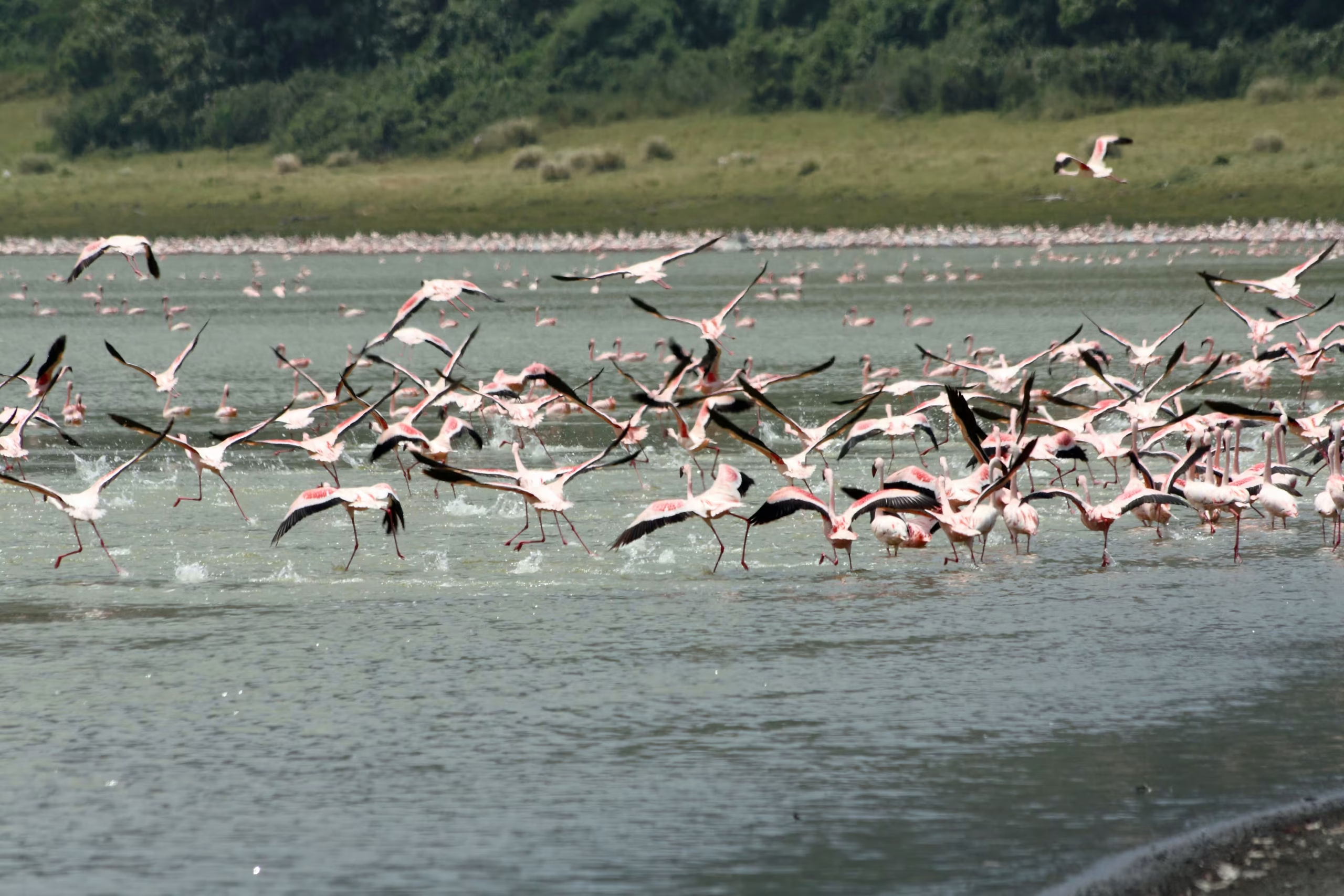
Located about 40 kilometers northeast of the main Ngorongoro Crater, Empakaai is a smaller, but arguably more visually dramatic caldera. It spans roughly 6 kilometers across, but its most striking feature is its depth. The forested walls of Empakaai plunge steeply—in some places over 300 meters (1,000 feet)—down to a deep, emerald-green alkaline lake that covers nearly three-quarters of the crater floor.
The experience begins on the crater rim, which sits at a high elevation of around 3,200 meters (10,500 feet). The air here is crisp, cool, and often swirling with atmospheric mist. From the viewpoint on the rim, the panoramic vistas are breathtaking. On a clear day, you can look outward across the vast, desolate expanse of the Rift Valley, seeing the distant, conical shape of Ol Doinyo Lengai and the shimmering heat haze of Lake Natron.
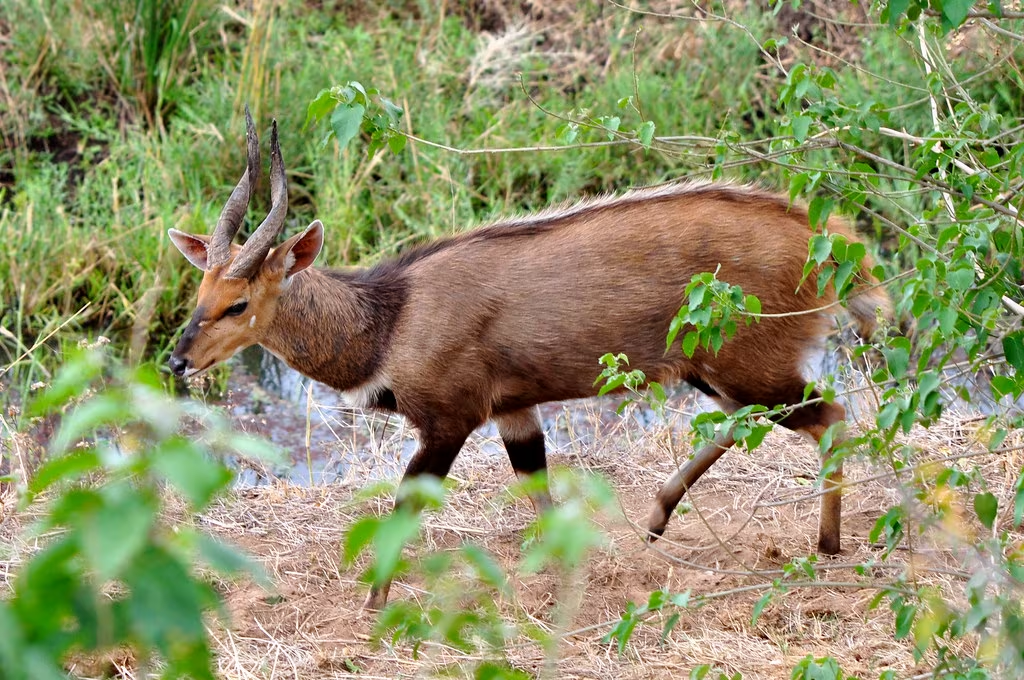
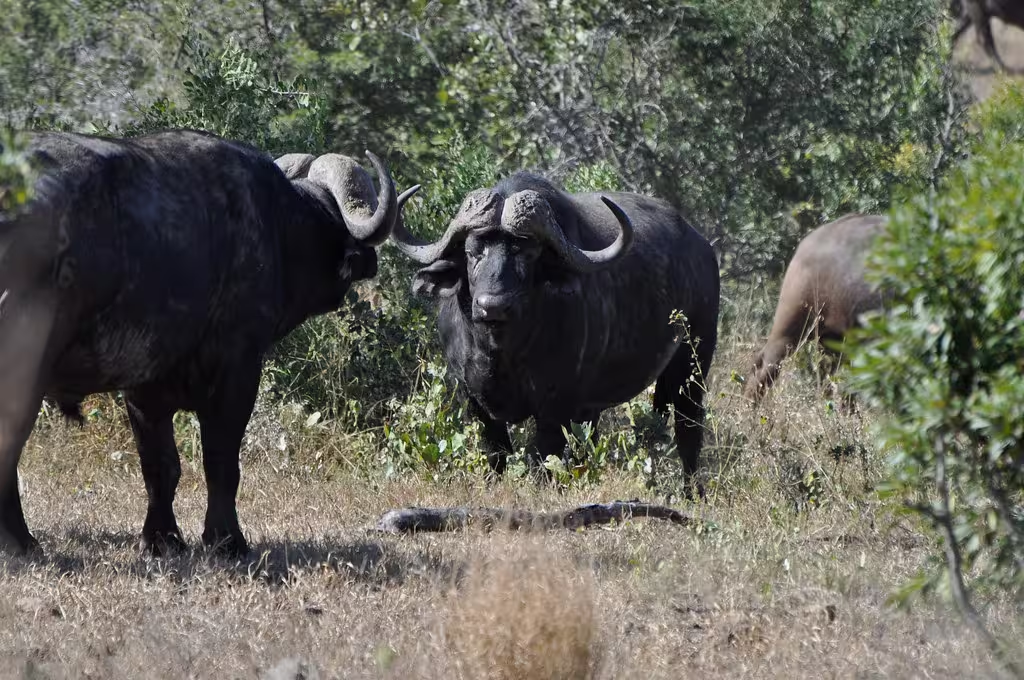
The true magic of Empakaai, however, lies in the descent. Accompanied by an armed ranger (as the crater is home to resident wildlife, including buffalo, bushbuck, and leopards), you hike down a steep, narrow trail that winds through a dense, ancient forest. The trees are draped with lichen and Spanish moss, and the canopy is alive with the calls of tropical birds and the rustling of blue monkeys. As you reach the crater floor, the forest opens up to the shores of the lake.
 II.
Ol Doinyo Lengai: The Mountain of God
Ol Doinyo Lengai: The Mountain of God
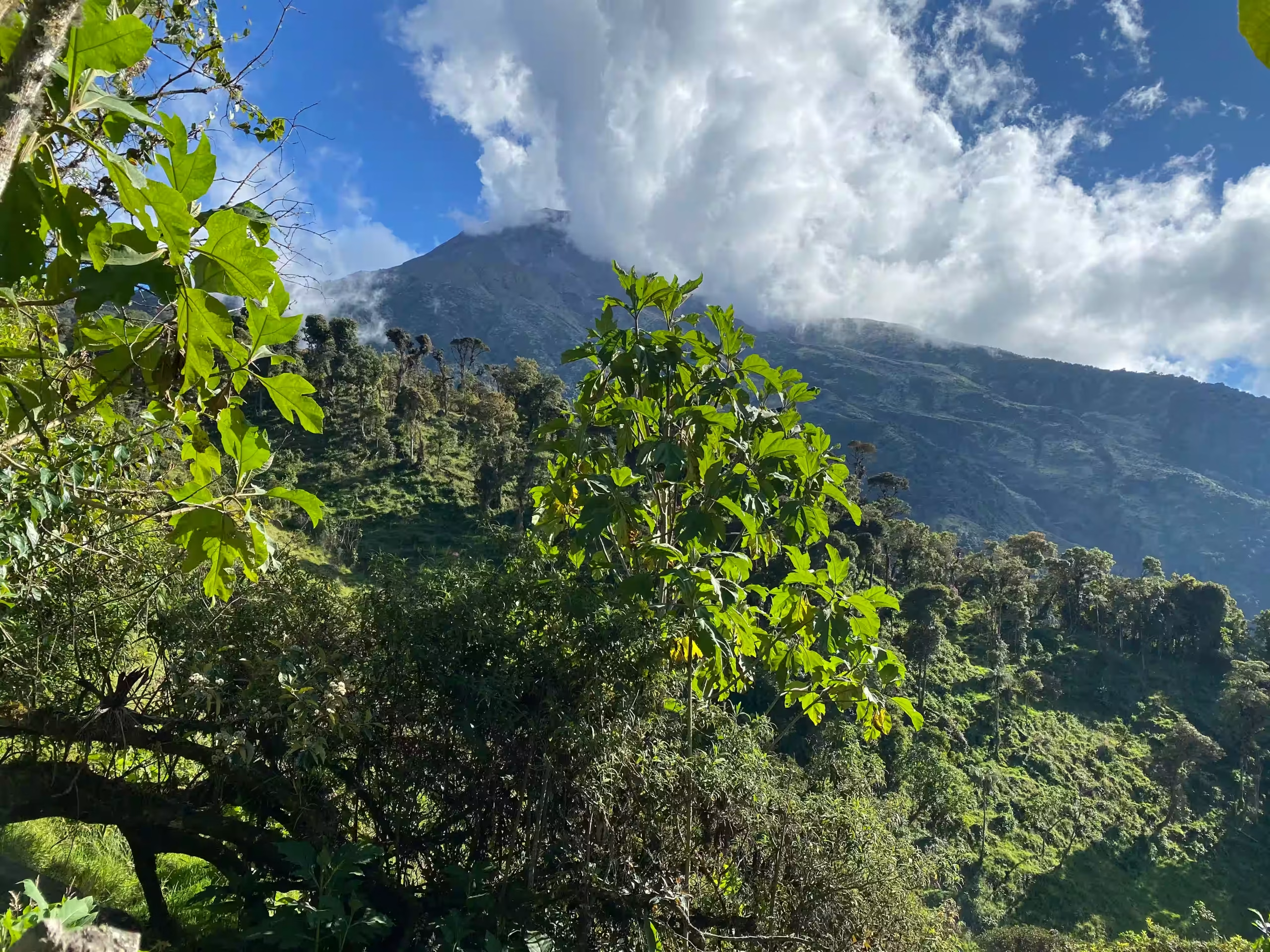
For the ultimate test of endurance and the pinnacle of geological fascination, the highlands give way to the stark, unforgiving landscape surrounding Ol Doinyo Lengai. In the language of the local Maasai, the name translates to "The Mountain of God," and standing at its base, looking up at the perfect, incredibly steep volcanic cone, it is easy to understand the reverence and awe it commands.
Ol Doinyo Lengai is entirely unique in the geological world; it is the only active volcano on earth known to erupt natrocarbonatite lava. This highly unusual lava erupts at relatively low temperatures (around 500-600°C) and flows with the viscosity of muddy water. Unlike typical silicate lavas that glow bright red or orange, Lengai’s lava is black or dark brown. However, its most surreal characteristic is its reaction to moisture. Upon contact with the atmosphere, the lava rapidly cools and alters chemically, turning a chalky, brilliant white. From a distance, the peak of the volcano frequently looks as though it is heavily dusted with snow, an incredibly bizarre sight in the searing heat of the Rift Valley.
A journey through the raw, geological power of the Great Rift Valley, guided by the very people who call it home.
 III.
The Ascent: A Grueling Midnight Trek
The Ascent: A Grueling Midnight Trek
Climbing Ol Doinyo Lengai is not for the faint of heart. It is widely considered one of the steepest, most physically demanding, and potentially hazardous treks in East Africa. There is no switch-backing trail; the route essentially goes straight up the side of the ash-covered cone. The volcanic ash and loose scree make for incredibly unstable footing, often requiring climbers to use their hands to scramble upward.
Because the daytime temperatures in the Rift Valley at the base of the mountain routinely exceed 40°C (104°F), the ascent is almost exclusively undertaken at night. Trekkers typically leave their camp near Lake Natron around midnight. Guided by local Maasai experts and the light of headlamps, you face a grueling, relentless 4-to-6-hour climb in the dark.
The motivation to push through the exhaustion is the summit. The goal is to reach the crater rim just as the sun begins to rise. Standing on the narrow, precarious edge of an active volcano is an adrenaline-fueled experience. Below you, in the active crater, you can hear the deep, unsettling rumbling of the earth, and you may see small spatter cones (hornitos) spitting the bizarre black lava. As the sun rises, casting a massive, perfect triangular shadow of the mountain across the plains, the views over Lake Natron, the Rift Valley escarpment, and the distant Ngorongoro Highlands are unparalleled. The descent, while faster, requires extreme caution due to the steep, slippery ash.
 IV.
The Cultural Landscape: The Maasai of the Highlands
The Cultural Landscape: The Maasai of the Highlands
A journey through the Empakaai and Lengai region is inextricably linked with the Maasai people. Unlike the more commercialized cultural visits near the main roads, the Maasai communities living in these remote highlands maintain a lifestyle that is deeply traditional and largely untouched by modern tourism.
As you hike between the craters or drive across the high plateaus, you will frequently encounter young Maasai warriors (morans) herding vast flocks of sheep, goats, and cattle. Their resilience and ability to thrive in this beautiful but harsh environment is remarkable. Many trekking itineraries incorporate walking with Maasai guides and donkeys, which are used to carry the camping equipment and supplies. Walking alongside these knowledgeable guides provides an authentic, organic opportunity to learn about their culture, their deep understanding of the local flora and fauna, and their spiritual connection to Ol Doinyo Lengai.
 V.
Crafting the Ultimate Highland Expedition
Crafting the Ultimate Highland Expedition
Integrating Empakaai and Ol Doinyo Lengai into your Tanzanian itinerary requires a commitment to adventure. It is the perfect extension for travelers who have already visited the main Ngorongoro Crater and the Serengeti, and who are seeking a more physical, immersive, and off-the-grid experience.
Ngomi Adventures typically organizes this region as a multi-day trekking expedition. A popular route involves driving from the main Ngorongoro area to the rim of Empakaai, hiking down to the lake, and then spending a night at a spectacular, remote campsite on the crater rim. The following day, accompanied by Maasai guides and donkeys, you hike out of the highlands, descending the dramatic Rift Valley escarpment down to the hot, dusty plains near Lake Natron. This hike takes you through varying ecosystems and offers incredible views.
Once at the base, you can rest at a camp near Lake Natron before attempting the midnight ascent of Ol Doinyo Lengai. This combination of the green, deep serenity of Empakaai, the strenuous cultural hike down the escarpment, and the brutal, thrilling ascent of the Mountain of God creates an expedition that is physically demanding, visually spectacular, and profoundly memorable. It is the raw, untamed heart of the Great Rift Valley.
The ways to experience Empakaai & Lengai Trek.
Begin your journey.
Tell us which journey feels closest and we will shape it around you — dates, pace, the kind of camps you sleep best in.